The short version
- Prime Minister Andy Burnham is considering restrictions on disposable barbecues following a series of significant wildfires attributed to discarded units.
- Government officials currently oppose a nationwide ban, preferring targeted safety regulations and local authority powers, while campaigners argue for stricter measures.
- Recent incidents in protected habitats highlight the long-term ecological damage caused by these devices, which can remain hot enough to ignite fires for hours after use.
The United Kingdom government is evaluating potential restrictions on the sale and use of disposable barbecues as wildfire activity intensifies across the country. Prime Minister Andy Burnham indicated that his administration would examine measures to limit these devices in public spaces, responding to growing pressure from environmental groups and local authorities. This development marks a shift in the conversation around fire prevention, moving beyond general public awareness campaigns toward specific regulatory interventions.
The urgency of the situation stems from a pattern of serious fires linked directly to discarded grills over recent years. In July 2026, firefighters responded to a blaze at Cannock Chase in Staffordshire, where an area roughly the size of a football field burned within a special conservation zone. The fire was traced back to a disposable barbecue and caused significant harm to local wildlife, including adders and toads. Officials noted that such events are particularly damaging because they destroy vital heathland habitats and threaten ground-nesting species like nightjars, with recovery taking many years.
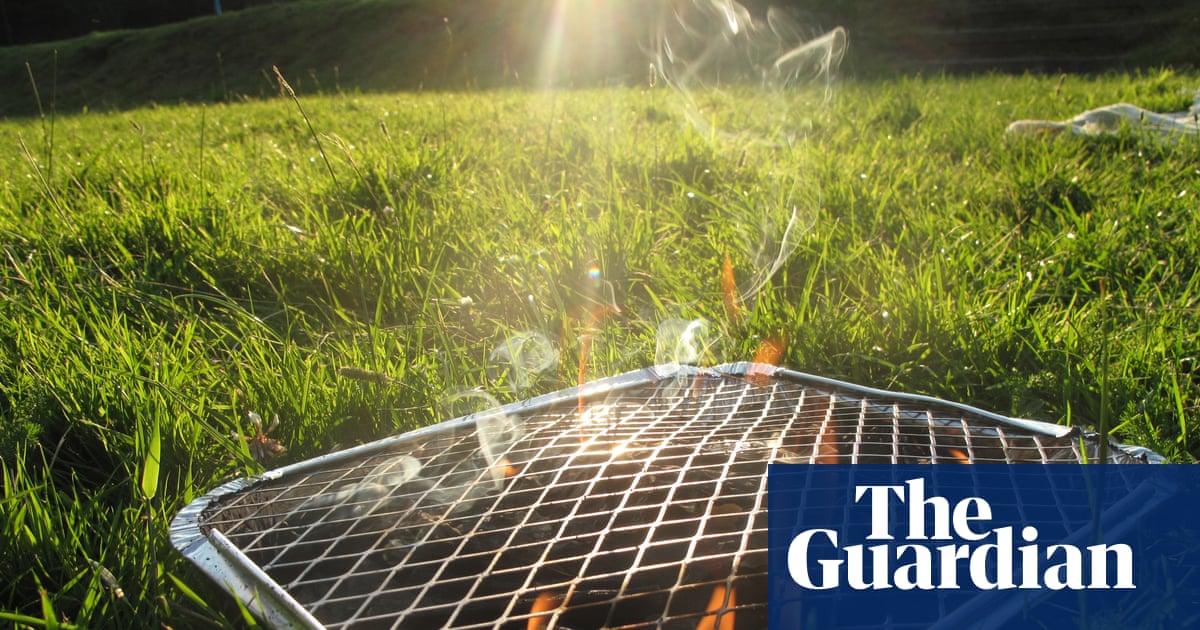
Disposable barbecues present unique hazards compared to other fire sources. Unlike portable units that users typically take home, disposable grills are often left behind or improperly disposed of in public bins. These devices can retain temperatures reaching 450 degrees Celsius for hours after use, making them difficult to extinguish safely. Attempts to bury the hot coals do not mitigate the risk, as the charcoal continues to burn underground and can ignite surrounding vegetation long after the user has departed. On beaches and fields, the buried metal grills and hot coals also pose physical dangers to walkers and livestock.
Recent data underscores the frequency of these incidents. In July 2026 alone, a large woodland fire in Macclesfield, Cheshire, required dozens of firefighters and was likely caused by a discarded barbecue. Around the same time, three separate grass fires occurred in London, damaging six hectares of heathland near residential areas. Earlier in May 2025, a fire in the Trossachs region of Scotland covered two hectares of woodland in Glen Finglas, the largest Woodland Trust site in the UK. Investigators found the grill that sparked this blaze still contained a burger, highlighting the careless disposal practices involved.
Despite these incidents, government ministers have expressed resistance to implementing a blanket ban on disposable barbecues. A spokesperson stated that there are no current plans for such a comprehensive prohibition, emphasizing instead that the government is focusing on product safety rules and empowering local councils to restrict use in high-risk areas. This approach aims to balance fire prevention with consumer choice, allowing regional authorities to tailor restrictions based on specific local conditions rather than imposing a uniform national policy.
Critics argue that this measured response does not go far enough. The National Farmers’ Union has called for a complete ban, citing the recurring nature of these fires and their impact on agricultural land and natural reserves. Jon Pearce, a Labour MP representing High Peak in Derbyshire, supports targeted restrictions rather than a total prohibition. He suggested that legislation could focus on banning the use of disposable barbecues in public places while exempting portable units that are removed after use. Pearce emphasized the need for adaptive measures as climate conditions change, noting that last year saw record wildfire activity and this year is expected to surpass those figures.
Environmental campaigners have pointed out that focusing solely on barbecue restrictions ignores broader systemic issues. Angharad Hopkinson of Greenpeace argued that while addressing immediate fire risks is important, the government must also confront the underlying climate crisis driving extreme temperatures. She described the failure to link these fires to fossil fuel consumption as a significant oversight, suggesting that true public protection requires tackling the root causes of heatwaves and dry conditions that exacerbate wildfire risks.
Research published by the government last year revealed that barbecues were responsible for more than 1,600 fires in England between 2020 and 2024. However, the data did not distinguish between disposable and other types of grills, and the cause of nearly 4,500 fires listed during this period remained unknown. Other common igniters include lightning strikes, discarded cigarettes, campfires, and glass bottles that focus sunlight. While disposable barbecues pose particular challenges due to their heat retention and disposal difficulties, they are part of a larger landscape of human-caused fire risks that require comprehensive management strategies.
As the government considers its options, the debate highlights the tension between immediate safety measures and long-term climate adaptation. Local officials continue to urge caution during peak fire seasons, advising the public to avoid using disposable grills in high-risk areas. The outcome of these deliberations could set a precedent for how the UK manages recreational activities that pose environmental hazards, potentially influencing future policies on other fire-prone behaviors. For now, the focus remains on preventing further damage to protected landscapes and ensuring public safety during increasingly volatile weather conditions.
Sources behind this briefing
Go to the original reporting
- The Guardian World↗Burnham to consider ban on disposable barbecues as wildfires rage in UK

