The short version
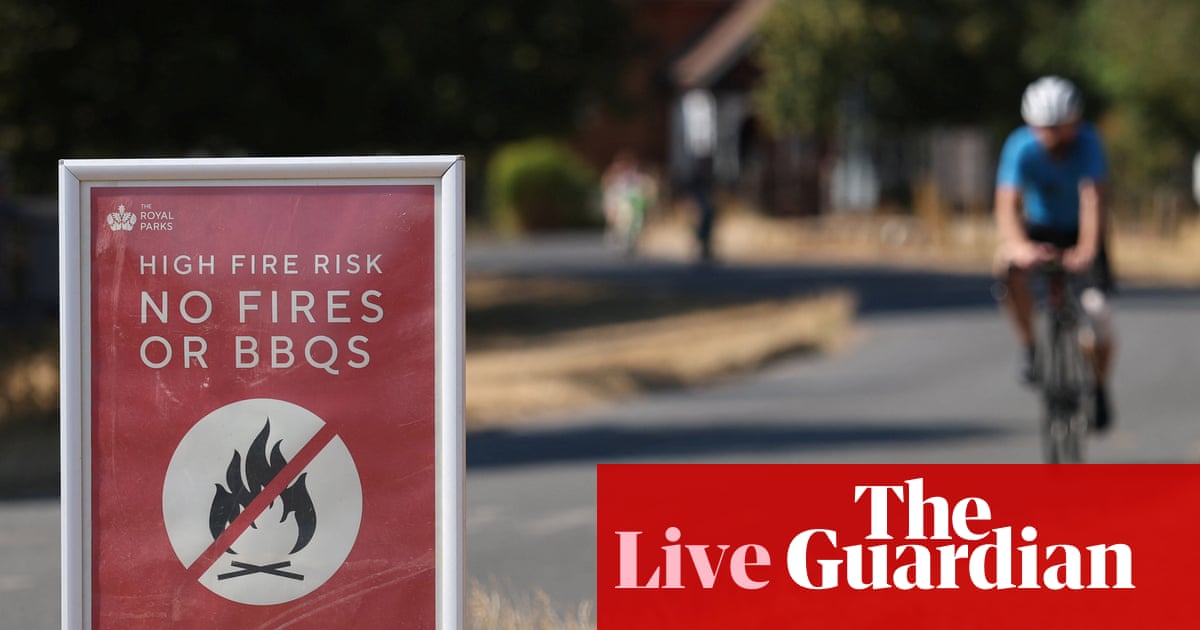
- The UK government is considering a ban on disposable barbecues after retailers voluntarily withdrew them due to wildfire risks linked to severe drought conditions.
- Health Secretary Yvette Cooper stated that nearly 3,000 excess deaths occurred during the spring heatwaves, signaling a need for permanent NHS preparedness for extreme summer weather.
- An emergency Cobra meeting convened by Prime Minister Andy Burnham aims to coordinate responses across health, environment, and home affairs departments amid amber heat warnings.
The United Kingdom government is actively considering a prohibition on the sale or use of disposable barbecues as extreme heat and widespread drought conditions fuel a surge in wildfires. Prime Minister Andy Burnham announced this potential restriction while chairing an emergency meeting of the Cobra committee, the cabinet’s crisis management group. The decision comes after several major retailers voluntarily removed single-use grills from their shelves following warnings from fire officials that these devices have ignited numerous recent blazes.
Burnham emphasized the immediate danger posed by temporary cooking equipment during his visit to Stevenage, urging the public to exercise extreme caution in rural areas. He noted that while the government is evaluating specific measures, whether a total sales ban or usage restrictions, the priority is preventing further ignitions. Fire chiefs have described wildfires as an increasingly recurring threat to communities, with July marking the busiest month on record for such incidents across England and Wales, where crews responded to nearly 400 fires.
The environmental context for these measures is severe. Nearly three-quarters of England and all of Wales are currently under official drought declarations, creating dry conditions that allow fires to spread rapidly. The Met Office has issued a rare amber extreme heat warning for the coming days, predicting temperatures in the mid-to-high 30s Celsius across the Midlands and southeast England, with peaks potentially reaching 38 degrees. These conditions have prompted local authorities, including councils in Brighton & Hove and Fylde, to utilize public space protection orders that can fine individuals up to £100 for using disposable grills in restricted areas.
Beyond the immediate fire risk, the health implications of the prolonged heatwave are drawing significant political attention. Health Secretary Yvette Cooper highlighted that the NHS must adapt its operational planning to treat summer heatwaves with the same seriousness as winter crises. She pointed to data indicating almost 3,000 excess deaths occurred during the heatwaves in May and June alone. Cooper argued that global heating is ensuring such events will become more frequent and intense, requiring a structural shift in how healthcare resources are allocated during hot months.
The Cobra meeting marks a escalation in government response, being the first such emergency session chaired by the Prime Minister this year. Previous meetings were led by officials, but the current severity has prompted direct ministerial involvement from the Department for Environment, Food and Rural Affairs, the Home Office, and the Department of Health, alongside the Environment Agency. A spokesperson for Number 10 acknowledged the strain on firefighters, farmers, and medical staff, framing the meeting as a necessary coordination effort to manage the multifaceted impacts of the weather.
Political pressure has mounted from various quarters regarding the government’s handling of the crisis. The Green Party had previously accused Prime Minister Burnham of inaction, citing threats to public health and food supplies. While party leader Zack Polanski welcomed the convening of the Cobra meeting, he argued that discussion alone is insufficient. Polanski called for more concrete measures, including legally enforced maximum temperatures for workplaces, flexible working hours to avoid peak heat, and increased funding for cool spaces and home heatproofing for vulnerable populations.
Legislative efforts are also underway at the local level. Members of Parliament from both Labour and Liberal Democrat parties have advocated for restrictions on disposable barbecues for the remainder of the summer. The National Farmers Union has urged local councils to issue protection orders more broadly, noting that fines for violating such orders are set to increase to £500 in the future. These local measures require consultation with residents and evidence of ongoing risk to quality of life, a process that some authorities have already initiated in response to the escalating danger.
The government’s previous actions under former Prime Minister Sir Keir Starmer included positioning specialist firefighters in key locations and encouraging forces to upgrade equipment using government funds. However, the current intensity of the heatwave has necessitated a broader strategic review. As temperatures continue to rise and drought conditions persist, the focus remains on mitigating immediate risks while preparing for a future where extreme summer weather becomes a regular challenge for public services and infrastructure.
Sources behind this briefing
Go to the original reporting
- The Guardian World↗UK heatwave live: Burnham considers ban on disposable barbecues to prevent wildfires
- BBC News↗Burnham considers disposable BBQ ban over wildfire risks

