The short version
- The UK government is launching a consultation to establish uniform national regulations for shared electric bicycle schemes.
- Proposed measures include mandatory parking standards, fleet size caps, and insurance requirements to address safety concerns.
- Local authorities may gain new powers to control rental fees and enforce rules against antisocial riding behaviors.
The United Kingdom government has initiated a formal consultation process aimed at overhauling the regulatory framework for shared electric bicycles. Led by the Department for Transport, this effort seeks to replace the current fragmented system of local agreements with cohesive national standards. The move addresses growing concerns regarding pavement obstruction and unsafe riding practices that have accompanied the rapid expansion of dockless bike-sharing services across urban centers.
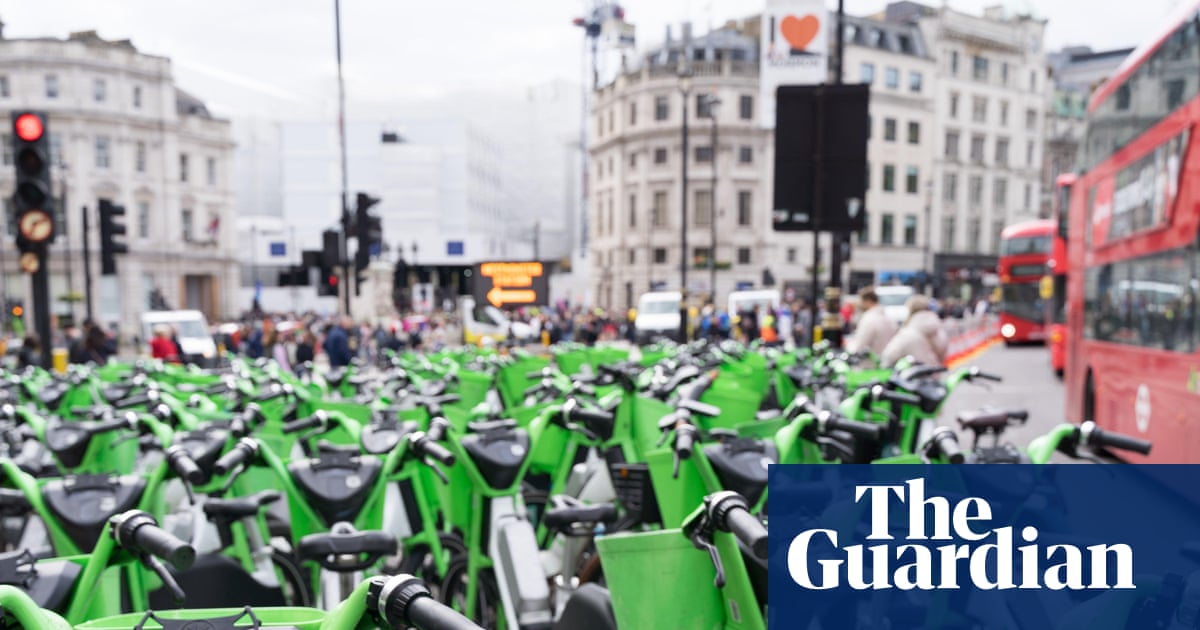
Currently, regulations governing these vehicles vary significantly between municipalities. Some local councils enforce strict rules requiring bikes to be parked only in designated bays, while others operate with looser guidelines. This inconsistency has led to widespread complaints from residents and disability advocates, who report that abandoned bicycles frequently block sidewalks, creating hazards for wheelchair users, parents with strollers, and individuals with visual impairments. The government describes the current environment as a lack of central oversight that creates difficulties for both communities and operators.
The consultation will examine several key areas intended to standardize operations. Primary among these is the establishment of national parking standards to ensure consistent behavior across different regions. Additionally, the review will consider guidelines for fleet sizes to prevent overcrowding in specific neighborhoods. These measures aim to balance the convenience of bike-sharing with the need to maintain accessible public spaces and orderly urban environments.
Safety and accountability are also central to the proposed changes. The Department for Transport is exploring requirements for operators to carry insurance, which would allow individuals injured by riders on hired e-bikes to seek compensation. Furthermore, the consultation addresses antisocial and illegal riding behaviors, such as running red lights or operating vehicles while underage or under the influence of alcohol. These provisions are designed to hold both companies and users accountable for safe conduct on public roads.
Economic controls represent another significant aspect of the review. The government is considering whether local councils and mayors should be granted authority over the fees charged for renting bikes. This potential shift could give communities greater leverage in negotiating terms with private operators. Additionally, there is a proposal to require companies to share data with authorities, which would improve enforcement capabilities and aid in broader transport planning efforts.
The push for regulation comes as shared e-bike usage continues to grow rapidly. Since the introduction of these systems in 2018, they have become an increasingly important component of urban transportation networks. Estimates suggest that more than 2.6 million people in Britain used a bike-share scheme in the year leading up to September 2025. The electric assistance and lack of requirement for secure parking have attracted a broader demographic of riders compared to traditional bicycle-sharing programs.
Political leaders have framed the initiative as a necessary step to ensure these services benefit communities rather than disrupt them. Officials argue that while e-bikes offer environmental benefits and promote active travel, their unregulated growth has created nuisances that require decisive action. The goal is to empower local leaders with the tools needed to manage parking issues and tackle antisocial behavior effectively.
In London, parallel efforts are underway to devolve regulatory power to the mayor and Transport for London. Currently, borough-level regulations vary widely, creating a patchwork of rules that complicates enforcement. The mayor has welcomed the government’s plans, noting that the lack of data and inconsistent management have been longstanding challenges since the first schemes arrived in the city.
Industry participants have also expressed support for clearer guidelines. Some operators have called for more regulation to create a level playing field and reduce uncertainty. The proposed changes are viewed as a way to formalize responsibilities and ensure that companies operate within defined parameters. This collaborative approach aims to integrate bike-sharing into the broader transport infrastructure in a sustainable manner.
The consultation marks a significant shift from voluntary agreements to mandatory standards. By addressing parking, safety, insurance, and data sharing, the government intends to create a more predictable environment for both users and operators. The outcome of this process will likely shape the future of micromobility in British cities, balancing innovation with public order and safety.
Sources behind this briefing
Go to the original reporting
- The Guardian World↗Ministers to target ‘wild west’ of e-bikes blocking pavements


