The short version
- The government has allocated £442 million to provide emergency housing and health support for rough sleepers in England, aiming to clear the streets by Christmas.
- Critics from opposition parties and some advocacy groups question the feasibility of the plan, citing previous failures in Greater Manchester and a lack of long-term social housing strategy.
- Official data shows a sharp rise in rough sleeping numbers over five years, though experts warn that single-night counts significantly understate the true scale of homelessness.
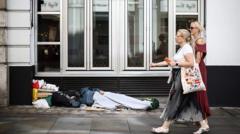
The British government has announced a comprehensive financial package designed to eliminate rough sleeping across England before the holiday season. Prime Minister Andy Burnham stated that every individual currently sleeping on the streets will be offered accommodation during the winter months. This initiative represents a significant escalation of efforts to address homelessness, building upon strategies previously tested during the pandemic era.
The total commitment amounts to £442 million, which includes an additional £102 million in new funding. Burnham described this as fully funded within the Ministry of Housing, Communities and Local Government’s existing budget. The resources are intended to provide immediate emergency shelter alongside intensive support services. These services typically include psychiatric care and assistance with drug and alcohol dependency, aiming to help individuals stabilize their lives rather than simply moving them from one temporary location to another.
The strategy draws direct inspiration from the Everyone In scheme implemented during the coronavirus pandemic. That earlier program successfully housed approximately 37,000 people in hotels and other temporary accommodations starting in March 2020. According to data from the charity Shelter, about a quarter of those individuals subsequently found settled housing that lasted at least six months. The current plan seeks to replicate this success while adding a component for permanent housing, with goals to deliver more than 1,000 homes over the next three years.
Housing Secretary Angela Rayner expressed confidence that sufficient accommodation can be secured to meet the Christmas deadline. She emphasized that the approach requires sustained national coordination rather than isolated local efforts. Rayner pointed to her experience in Greater Manchester, where initial successes in reducing rough sleeping were followed by an influx of people from other regions seeking support. This dynamic highlighted the challenges of addressing homelessness without a unified national framework.
Despite the government’s optimism, political opponents have raised serious concerns about the plan’s viability and funding mechanisms. Conservative shadow housing secretary Sir James Cleverley criticized Burnham for failing to end rough sleeping in Greater Manchester during his tenure as mayor. He argued that the current pledge lacks detailed delivery plans and sufficient financial transparency. Reform UK deputy leader Richard Tice echoed these sentiments, describing the announcement as vague and politically motivated rather than substantive.
Liberal Democrat housing spokesperson Gideon Amos warned that temporary measures would not resolve the underlying crisis. He called for a long-term strategy focused on prevention, specifically urging the government to commit to building 150,000 social homes annually. Amos argued that without such structural changes, individuals risk returning to the streets once immediate political attention shifts away from the issue.
The urgency of the situation is underscored by official statistics showing a dramatic increase in rough sleeping. Data from autumn 2025 estimated that 4,793 people were sleeping rough on a single night in England, representing a 96% rise over five years. However, housing experts note that these figures likely undercount the problem due to strict data collection rules. Rough sleeping is defined narrowly and does not include those in hostels or sofa surfing, meaning the visible crisis may be larger than official snapshots suggest.
Charity leaders have responded with cautious support for the announcement. Jasmine Basran of Crisis welcomed the move as a step toward ending rough sleeping but stressed the need for cross-departmental cooperation to prevent people from entering homelessness in the first place. She highlighted issues such as hospital discharges and care leavers ending up on the streets. Sarah Elliott of Shelter called the pledge game-changing but urged follow-through on promises to increase council housing stock for those currently in temporary accommodation.
The government has indicated that areas facing the highest pressures will receive the largest share of support. Special guidance will ensure adequate provision for female rough sleepers, a group often underrepresented in statistics and at higher risk of violence and exploitation. As the winter approaches, the success of this initiative will depend on the ability of local authorities and community partners to coordinate effectively with central government resources.
Sources behind this briefing
Go to the original reporting
- BBC News↗Burnham unveils plan to get rough sleepers off streets for Christmas
- The Guardian World↗Burnham pledges to get thousands of rough sleepers off streets for Christmas – UK politics live

