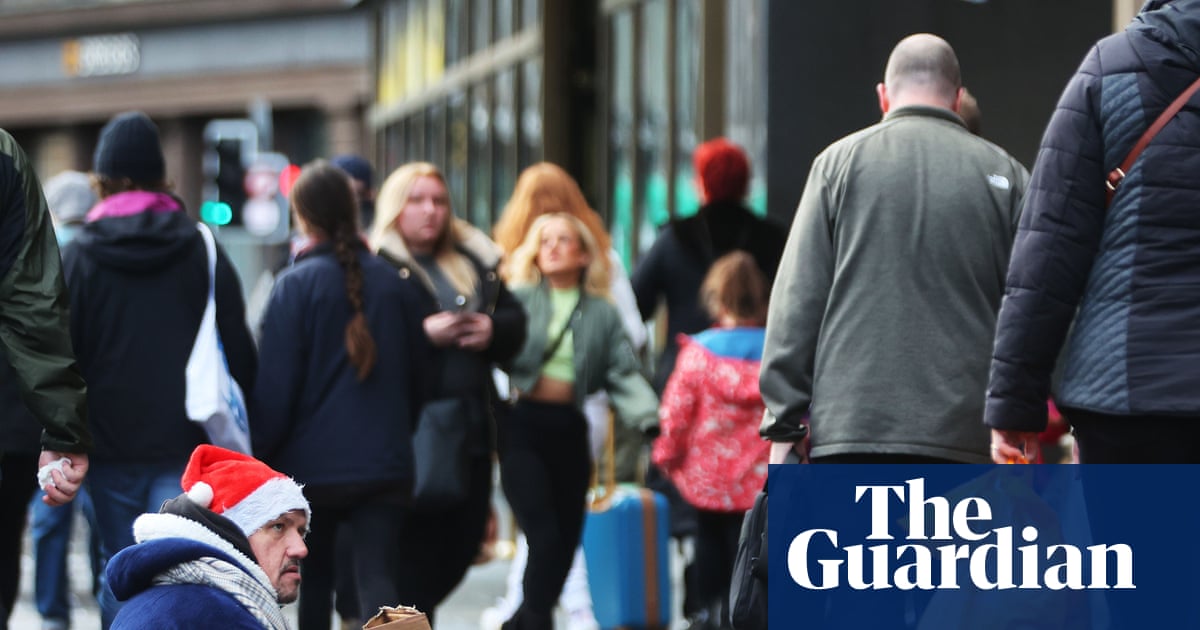
The short version
- The UK government is allocating an additional £432 million to homelessness initiatives, bringing total funding for the current parliamentary term to approximately £900 million.
- Prime Minister Andy Burnham aims to provide every person sleeping rough in England with a safe route off the streets or broader support before the Christmas holiday.
- While charities welcome the increased resources, Conservative critics argue the spending is excessive and point to rising homelessness rates under the current administration.
The United Kingdom government has announced a significant escalation in financial commitment to addressing homelessness, with Prime Minister Andy Burnham pledging to double spending on ending rough sleeping. This new allocation brings the total investment for finding lasting solutions to nearly £900 million by the end of the current parliament. The move represents a central pillar of Burnham’s premiership, which seeks to eliminate street homelessness as a permanent fixture of urban life.
The immediate focus is on meeting a self-imposed deadline before Christmas. Downing Street will release an additional £432 million in this week’s budget, supplementing an initial £442 million already designated from Ministry of Housing, Communities and Local Government budgets prior to March 2027. Burnham has framed rough sleeping not as an inevitable condition but as a policy choice that governments can either accept or reject. He stated clearly that he does not accept it, justifying the doubled funding as necessary to ensure support extends beyond the immediate winter crisis.
To coordinate this effort, Burnham is convening a summit at Downing Street involving charities, businesses, housing providers, and local leaders. The goal is to create a unified national strategy rather than relying on isolated local interventions. Burnham emphasized that ending rough sleeping requires societal-wide cooperation, noting that previous successes in specific regions were undermined when people traveled to those areas to access support, thereby shifting the problem rather than solving it.
Practical measures are already underway in several locations. Specialist outreach teams and new accommodation spaces are operating in Coventry, with further provisions scheduled for rollout in Plymouth and Camden over the coming weeks. The National Housing Federation is collaborating with housing associations to identify at least 2,000 potential homes and bed spaces, including empty properties that could be returned to use. These efforts aim to provide immediate shelter while laying groundwork for longer-term stability.
Private sector involvement is also a key component of the strategy. Virgin Media O2 has committed to providing practical digital support to frontline organizations, facilitating better communication and resource management. Additionally, charities such as St Mungo’s and Haircuts4Homeless are partnering with L’Oréal to offer hair salons and wellbeing services for individuals who have been sleeping rough. These initiatives address not just housing but also the dignity and social reintegration of those affected.
Angela Rayner, the housing secretary, described the initiative as a major ambition that the government is determined to achieve. She stressed that providing a roof over one’s head is only the first step, with ongoing work required to tackle the root causes of homelessness. Rayner affirmed that the Christmas deadline marks the beginning of a sustained effort rather than a final endpoint, signaling a long-term commitment to structural change.
The announcement has received mixed reactions from political and advocacy groups. Shelter, a prominent homelessness charity, welcomed the funding as evidence that the government recognizes safe housing as a necessity rather than a privilege. Acting CEO Mairi MacRae praised the move for acknowledging the fundamental need for security and stability among vulnerable populations.
Conversely, Conservative critics have dismissed the plan as fiscally irresponsible and ineffective. Katie Lam, the shadow housing secretary, accused Burnham of throwing money at a problem he failed to resolve during his tenure as mayor of Greater Manchester. She argued that rough sleeping has reached record highs under Labour’s leadership and called for tax cuts and control over benefits spending instead. This political divide highlights the broader debate over how best to allocate public resources in addressing social welfare challenges.
Sources behind this briefing
Go to the original reporting
- The Guardian World↗Burnham to double spending on homelessness amid drive to end rough sleeping by Christmas