The short version
- Whitehall officials have instructed police forces to improve intelligence gathering after admitting they were caught off guard by recent far-right demonstrations at major UK ports.
- Kent Police acknowledged ignoring non-emergency warnings about the Dover protest, while Hampshire officers face scrutiny over whether vehicle blockades in Portsmouth were intentional acts of intimidation.
- The protests involved masked individuals who appeared legally briefed to avoid arrest, raising questions about why existing anti-mask legislation was not utilized by authorities.
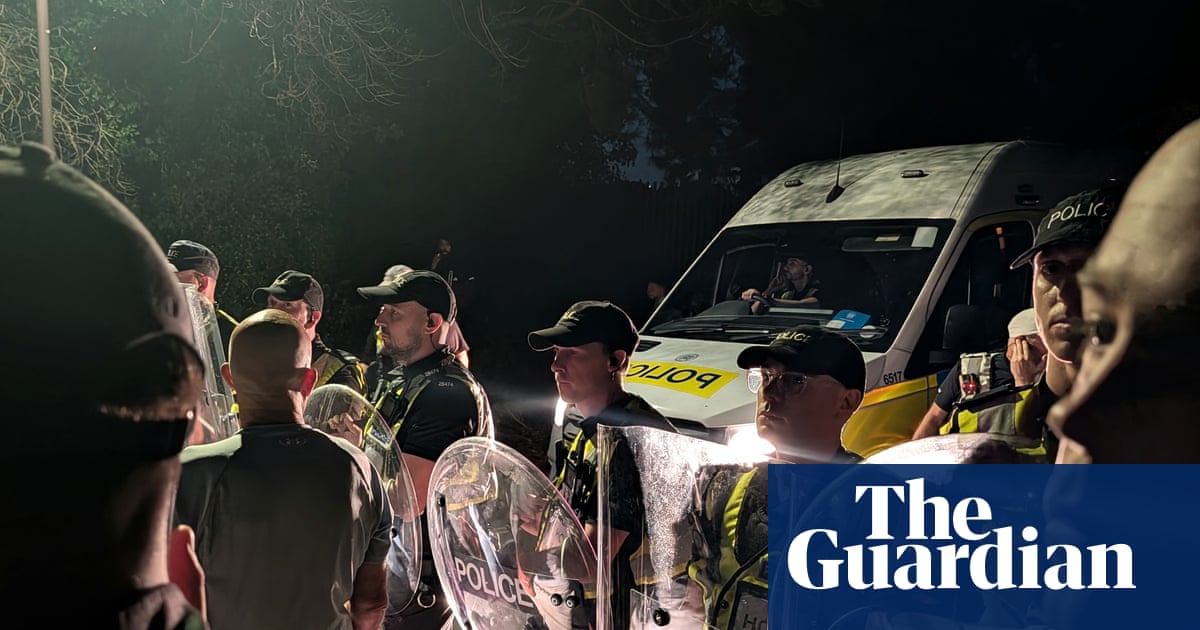
British government officials have directed police forces to significantly enhance their intelligence capabilities following a series of coordinated demonstrations at key port cities. The instruction comes after law enforcement agencies admitted they were unprepared for the sudden appearance of hundreds of masked individuals in Dover and Portsmouth over the weekend. These gatherings, which authorities believe were inspired by far-right groups, targeted operations related to small boat immigration and exposed significant gaps in how police monitor and respond to potential unrest.
The failure to anticipate the trouble was particularly acute in Kent, where police initially claimed they had no warning of the Saturday protest in Dover. This assertion collapsed on Tuesday when the force conceded that non-emergency calls received late Friday evening indicated a possible demonstration. Officials stated this information was not fully assessed before the event occurred. Government sources expressed dismay at the subsequent explanation from Kent Police, who characterized the large group of masked men as peaceful protesters despite their intimidating appearance and coordinated behavior.
In Portsmouth, the situation escalated further on Sunday with clashes between demonstrators and officers. Hampshire Police are now investigating whether vehicles were deliberately abandoned to block access roads, a tactic that could constitute harassment or intimidation. The local Police Federation reported that anger and violence were directed at law enforcement personnel during these events. Authorities are conducting a thorough review of body-worn video footage to identify those responsible for the violence and to determine if the gathering of approximately two hundred people was intended to threaten public order.
A central point of contention between Whitehall and police leadership is why existing laws designed to prohibit face coverings at demonstrations were not enforced. These regulations, implemented last year, aim to prevent anonymity during public disorder. However, police sources indicate hesitation to use such measures due to fears of being accused of employing heavy-handed tactics against individuals who might claim legitimate grievances. The protesters in both locations appeared well-versed in public order case law, citing legal precedents and carrying lawyers’ contact information to ensure they stayed within the bounds of what would allow them to avoid arrest.
The coordination behind these events suggests a sophisticated organizational structure. Intelligence indicates that the protests were planned on closed social media networks rather than through public advertising, making them difficult for traditional monitoring methods to detect. In Dover, participants used walkie-talkies to synchronize their movements, converging undetected in black clothing and masks. Daniel Thomas, an associate of far-right activist Stephen Yaxley-Lennon, is believed to have organized the Kent action through his group, Patriot Platform, and was also linked to the subsequent blockade in Portsmouth.
The timing of these protests coincided with a critical incident involving the Royal National Lifeboat Institution (RNLI). On Sunday, lifeboat crews rescued one hundred twenty asylum seekers from a large dinghy in the English Channel. Upon attempting to bring the migrants ashore, the RNLI vessels were denied entry to Southampton and Portsmouth ports by harbor masters. The crews were then threatened with legal action if they proceeded. Forced to divert several miles away to Eastney, the rescue teams faced further hostility from protesters who had gathered there, creating a chaotic scene involving police, firefighters, and border officials.
Peter Sparkes, chief executive of the RNLI, condemned the abuse directed at his volunteers as wholly unacceptable in a civilized society. He highlighted that recent protests have generated deliberate misinformation about the charity’s role in rescue operations. The organization has faced threats from individuals hiding behind masks or online anonymity, complicating their humanitarian mission. The refusal of port authorities to allow the lifeboats entry added to the confusion and tension, leaving the rescued individuals in limbo while officials scrambled to manage the situation.
Prime Minister Andy Burnham met with police chiefs on Tuesday evening to discuss the events and assess preparedness for any further unrest. While the government viewed the immediate police response as reasonable once officers were confronted by large crowds, there is clear dissatisfaction with the lack of proactive intelligence gathering. The National Police Coordination Centre has intensified its monitoring efforts in light of these failures. Authorities are now considering whether the threshold for warrants allowing covert investigative tactics has been met, balancing the need for security against concerns about civil liberties.
The visual impact of the protests, characterized by throngs of masked men in black, was described by both police and government sources as intimidating. This optics-driven approach appears designed to maximize disruption while minimizing legal repercussions for participants. As investigations continue into the specific tactics used in Portsmouth and the intelligence failures in Kent, the focus remains on preventing similar coordinated actions in the future. The incident underscores the challenges law enforcement faces in dealing with organized groups that exploit legal loopholes and digital privacy to evade detection.
Looking ahead, the review of these events will likely influence how police handle future demonstrations involving masked participants. The question of whether to enforce anti-mask laws more strictly remains unresolved, with officials wary of public backlash if perceived as targeting peaceful dissenters. Meanwhile, the RNLI continues to navigate a hostile environment where its humanitarian work is increasingly politicized. The coming weeks will test whether improved intelligence sharing and clearer legal frameworks can prevent a recurrence of such disruptive and dangerous gatherings at UK ports.
Sources behind this briefing
Go to the original reporting
- The Guardian World↗Far-right port protests: police told to improve intelligence gathering

