The short version
- The UK government has strongly condemned the actions of far-right activists who blocked roads in Portsmouth and Dover to prevent the transport of asylum seekers.
- Police reported damage to official vehicles and minor injuries to officers during the disturbances, which were organized by figures linked to extremist networks.
- Officials express concern that people smugglers are diversifying their landing sites beyond traditional hubs, straining local infrastructure and public order.
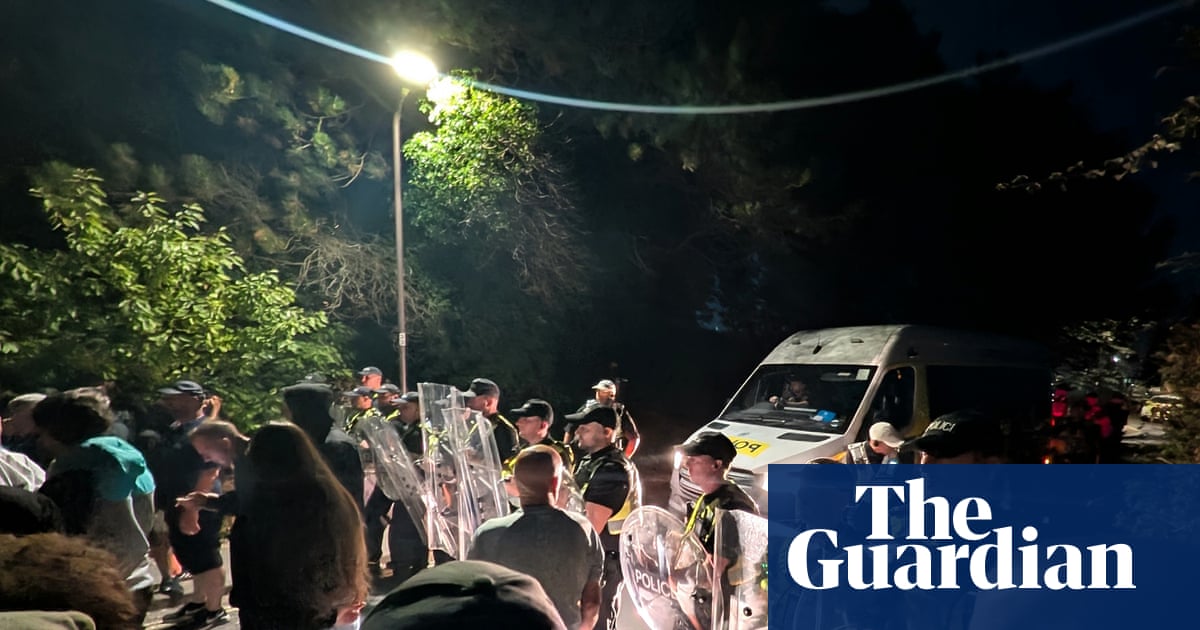
The British government has issued a sharp condemnation of recent unrest in Portsmouth and Dover, where large groups of far-right activists disrupted the processing of asylum seekers. Downing Street described the behavior as thuggish and intimidating, marking a significant escalation in domestic tensions surrounding immigration policy. The incidents occurred over a weekend, with similar scenes unfolding in Dover on Saturday before spreading to Portsmouth on Sunday night.
In Portsmouth, hundreds of men, many wearing black clothing and balaclavas, attempted to block roads to prevent the transport of individuals who had arrived by boat. The standoff lasted until early Monday morning, when police intervened with threats of arrest to clear the area. Hampshire Police reported that several vehicles belonging to law enforcement, the coastguard, and Border Force were damaged during the confrontation. Additionally, a number of officers sustained minor injuries, prompting investigations into potential assaults on emergency workers and criminal damage.
The disturbances appear to have been coordinated by Daniel Thomas, a far-right agitator known online as Danny Tommo. Thomas is closely associated with Tommy Robinson, a prominent anti-Islam figure whose real name is Stephen Yaxley-Lennon. Thomas had previously organized similar protests in Dover, where crowds also blocked port access. During the Portsmouth event, Thomas told the crowd that the city was now ground zero for arrivals from France and characterized the earlier Dover protest as a test run. He later claimed to reporters that the use of masks was intended to protect his supporters from left-wing counter-protesters rather than to intimidate others.
Political reactions to the events have been mixed, reflecting broader divisions within the UK regarding immigration and civil disorder. Andy Burnham’s spokesperson stated that while peaceful protest is a respected right, the actions in Dover and Portsmouth crossed the line into unacceptable disorder. Meanwhile, Nigel Farage, leader of Reform UK, condemned the use of paramilitary-style uniforms and masks but argued that the blockades indicated the country was on the brink of serious civil disturbance over small boat crossings. Farage noted that despite a more than 40% drop in arrivals compared to the same period last year, public frustration remains high.
Civil society organizations have also weighed in on the situation. Nick Lowles, chief executive of Hope Not Hate, criticized the scale and nature of the protests, noting that hundreds of masked individuals marching and stopping traffic is not an acceptable form of dissent. He emphasized that there are other ways to register protest without resorting to intimidation or threatening police forces. The group highlighted the need to call out the specific political motivations behind such actions, which aim to shape a particular vision of British society through coercive means.
Beyond the immediate violence and disruption, officials are concerned about the strategic implications for border security. Donna Jones, the Conservative police and crime commissioner for Hampshire, noted that a boat carrying 140 people departed from near Cherbourg in France and entered the Solent near Portsmouth approximately ten hours later. This shift in landing sites suggests that people smugglers may be adapting their routes to avoid heavily monitored areas like Dover. Jones expressed worry that Portsmouth could become a preferred destination for traffickers if it lacks the necessary infrastructure to handle such arrivals.
The logistical challenges posed by these new routes are significant. Portsmouth does not currently have the facilities in place to process large numbers of asylum seekers efficiently. This lack of preparedness raises questions about how local authorities will manage future incidents and whether resources need to be reallocated to prevent similar disruptions. The government faces pressure to address both the immediate threat of civil unrest and the longer-term issue of managing migration flows effectively.
As investigations continue, the focus remains on holding those responsible for the violence and property damage accountable. Police are looking into possible offenses related to assaults on officers and criminal damage. The events in Portsmouth and Dover highlight the growing volatility surrounding immigration issues in the UK, with far-right groups increasingly using direct action to influence policy debates. The government’s response underscores its commitment to maintaining public order while navigating complex political pressures.
Looking ahead, the situation is likely to remain tense as authorities work to prevent further incidents. The use of different routes by smugglers complicates efforts to intercept boats before they reach shore. Local communities may face increased scrutiny and potential targeting by activist groups seeking to disrupt processing centers. The coming weeks will be critical in determining whether these disturbances represent an isolated flare-up or the beginning of a more sustained campaign of civil unrest.
Ultimately, the incidents serve as a stark reminder of the challenges facing UK policymakers. Balancing humanitarian obligations with public safety and political expectations requires careful navigation. The condemnation from Downing Street signals a firm stance against intimidation tactics, but it also highlights the difficulty of addressing root causes of discontent. As the country grapples with these issues, the potential for further escalation remains a serious concern for law enforcement and government officials alike.
Sources behind this briefing
Go to the original reporting
- The Guardian World↗No 10 condemns ‘thuggish’ far-right activists after Portsmouth unrest

