The short version
- Recent approvals of gas projects and cuts to heating subsidies have sparked concern among lawmakers about the government's commitment to climate targets.
- Officials defend these measures as necessary for national security and reducing living costs, citing lessons from European energy dependencies.
- Upcoming decisions on oil field development and electric vehicle mandates will likely determine whether the administration maintains its green agenda.
The United Kingdom’s current administration is navigating a complex tension between its stated commitment to climate action and immediate priorities regarding national security and economic stability. Prime Minister Andy Burnham has publicly affirmed his dedication to meeting environmental targets, noting in September that the changing climate remains a major concern for British citizens following a record-hot summer. However, a series of recent policy announcements has led many within his own party to question whether green issues are slipping down the political agenda.
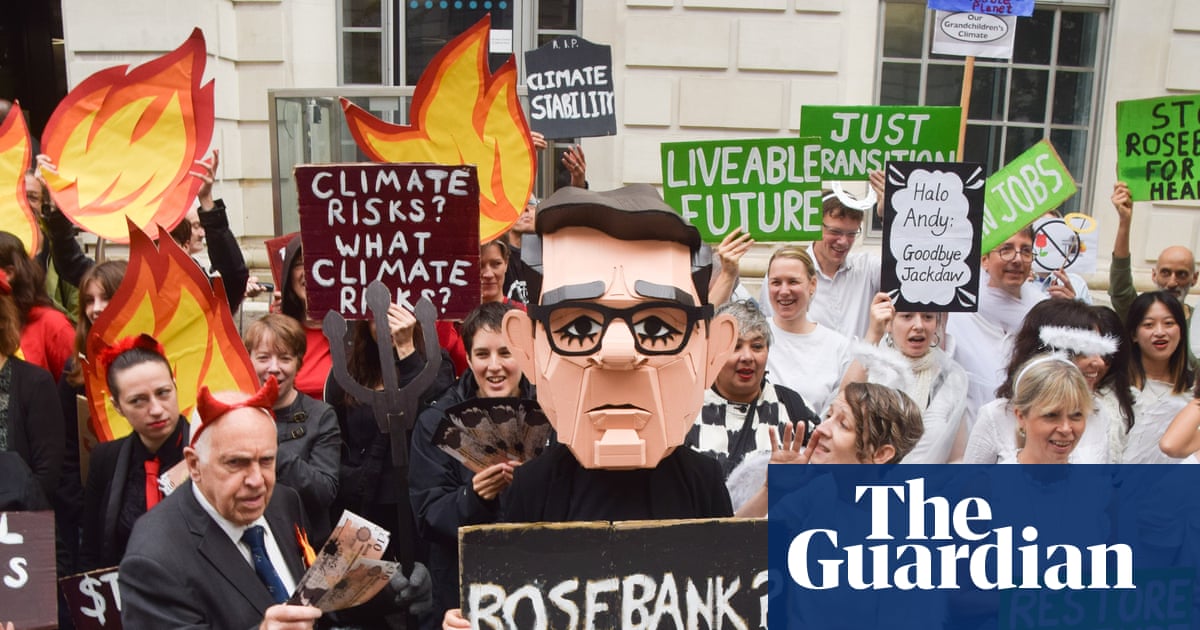
Criticism has intensified after Energy Secretary Miatta Fahnbulleh approved the Jackdaw gasfield and Chancellor John Healey announced significant reductions to several green schemes. These moves have dismayed Labour MPs who were previously supportive of the government’s environmental record. Catherine Fookes, a backbench Labour member, acknowledged the prime minister’s understanding of the crisis but expressed worry that difficult decisions in the coming months could undermine progress. She specifically called for the rejection of the larger Rosebank oilfield and the retention of zero-emission vehicle mandates.
The rationale behind these policy shifts centers on national security and financial relief. Government officials argue that approving domestic gas production reduces reliance on imported fossil fuels, a vulnerability highlighted by Europe’s dependence on Russian gas during the war in Ukraine. Additionally, Chancellor Healey has redirected funds from the energy department to bolster defense spending, a top priority for the former defense secretary. These cuts are also framed as part of an effort to provide voters with financial breathing space during the winter months.
The most significant reductions involve the £15 billion warm homes plan, which aimed to electrify heating through heat pumps, solar panels, and batteries while improving home insulation. Funding for hydrogen and carbon capture technologies has also been slashed by £700 million. Environmental experts have reacted with dismay, particularly regarding the cuts to the boiler upgrade scheme. Andrew Sissons of the National Endowment for Science, Technology and the Arts described this as a backward step, noting that replacing gas boilers is the most effective way to reduce home emissions.
Britain currently lags behind many European nations in electrifying its heating systems. Experts warn that the UK is now unlikely to meet its heat pump targets and may even miss its emissions reduction goals for the next carbon budget. The signal sent to the heat pump industry by cutting key support mechanisms is viewed as damaging. James Dyson, a researcher at thinktank E3G, cautioned that continued reliance on gas leaves the country vulnerable to both economic shocks and military threats.
Green campaigners have also expressed disappointment over other budget decisions, including allowing hyperscale data centers to build on-site fossil fuel power generation and failing to increase windfall taxes on energy companies. This comes despite record profits for major oil firms; BP reported an 18-year high in quarterly profits, while Shell doubled its earnings. Ami McCarthy of Greenpeace suggested that while the government’s intentions may be correct, there is a real danger of sleepwalking into reversing progress made so far.
Defenders of the administration deny that efforts to tackle the climate crisis have slowed. They point out that some cuts were originally agreed upon by the previous Starmer government and highlight the decision to remove VAT from electricity bills as an incentive for consumers to move away from gas. Ministers are also working on plans to remove additional levies from electricity, aiming to make renewable energy more competitive.
Attention now turns to two critical decisions expected in the coming weeks: whether the government will push for approval of the Rosebank oilfield and whether ministers will cut electric vehicle targets. Andrew Lewin, a Labour MP, warned that approving Rosebank would risk undermining the strong record on renewables established by the Department for Energy Security and Net Zero. The outcome of these decisions will likely define whether the Burnham administration can reconcile its security and economic goals with its climate commitments.
The debate underscores the difficulty of balancing long-term environmental objectives with short-term political and economic pressures. While the prime minister insists he understands the seriousness of the climate crisis, his actions suggest that other priorities currently take precedence. As the government navigates these challenges, the concern among MPs and experts is that incremental compromises may accumulate into significant setbacks for the UK’s green transition.
The situation reflects a broader struggle within modern governance to address existential threats like climate change while managing immediate crises such as energy security and cost of living. The coming months will test whether the administration can maintain its environmental credibility without sacrificing the financial and security assurances it has promised to voters. The stakes are high, with potential long-term consequences for both the UK’s climate record and its international standing.
Sources behind this briefing
Go to the original reporting
- The Guardian World↗Climate always comes second: are green issues slipping down Burnham’s agenda?


