The short version
- The UK government has granted environmental approval for the Jackdaw gasfield, allowing Shell and Equinor to proceed with development in the North Sea.
- Officials argue the move does not violate Labour’s manifesto because it involves an existing license rather than a new one, despite previous judicial rulings on carbon accounting.
- Climate campaigners warn the project undermines green credentials and offers minimal long-term energy security, while political polling suggests voter backlash among younger demographics.
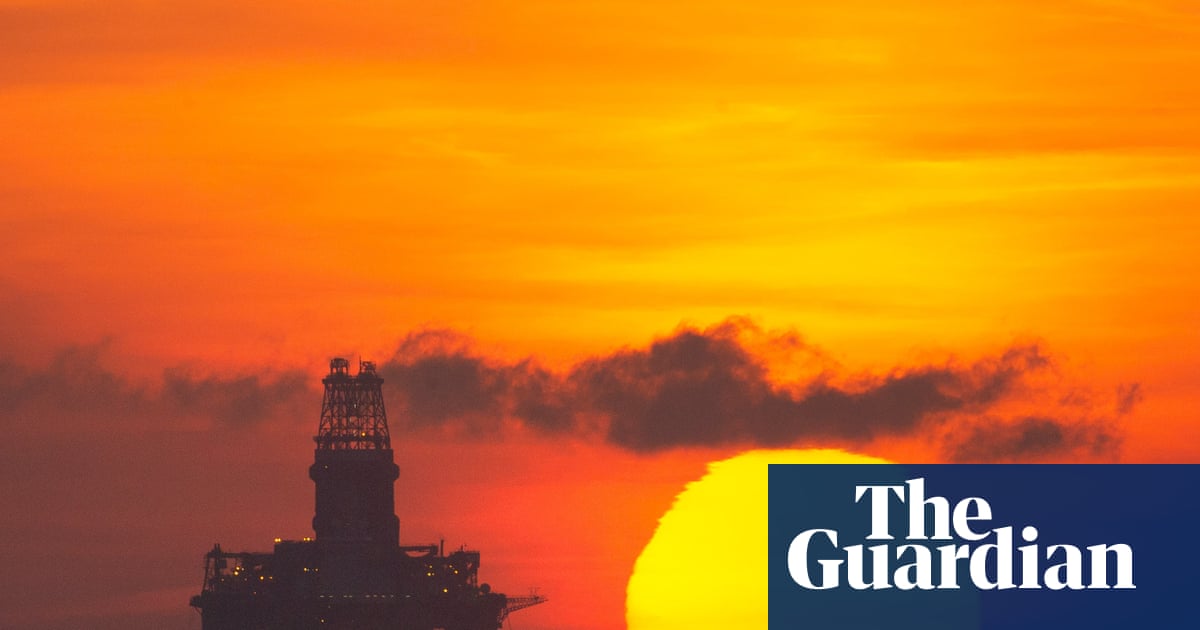
The United Kingdom government has officially cleared the path for development of the Jackdaw gasfield, a major North Sea project operated by Shell and Equinor. Energy Secretary Miatta Fahnbulleh and Chancellor John Healey are scheduled to announce the decision from Aberdeen, marking the end of more than a year of internal deliberations regarding whether the project aligns with national climate targets. The approval represents a significant victory for the fossil fuel sector in a region where reserves are declining and platforms are becoming increasingly automated.
Jackdaw is one of the largest undeveloped gas fields in the basin. Once fully operational, it is expected to account for approximately six percent of total North Sea gas production. However, critics note that the field will supply only about two percent of the UK’s overall gas demand for roughly a decade. The facility is designed to be largely unmanned and operated remotely, which has led industry observers to question its long-term impact on employment in the sector.
The decision follows a complex legal and political journey. The Conservative government initially approved the field in 2022, citing the need to shield the UK from energy market volatility triggered by Russia’s invasion of Ukraine. Labour came to power in 2024 with a pledge not to grant new licenses in the North Sea, assuming it would not face decisions on Jackdaw or the similar Rosebank oilfield. However, a landmark judicial ruling last year invalidated the environmental approvals for both projects, stating that regulators had failed to account for the carbon emissions resulting from the combustion of the extracted fuel.
Shell and Equinor resubmitted their applications for environmental consent in September. Since then, ministers have weighed whether to use their authority to block the project. Prime Minister Andy Burnham has signaled a pragmatic approach, acknowledging the existence of the resource and the economic struggles facing communities dependent on the industry. He previously stated that ignoring such resources while people are struggling is not an option, aligning with pressure from US President Donald Trump to expand North Sea production.
Government officials maintain that granting this approval does not breach Labour’s manifesto commitment because it pertains to an existing license rather than a new one. Fahnbulleh has decided not to block the field, allowing the North Sea Transition Authority to proceed based on financial and logistical assessments. The announcement will be made alongside Stuart Payne, the chief executive of the regulatory body, emphasizing the economic rationale behind the decision.
The political implications are mixed. The approval is expected to strengthen Labour’s position in north-east Scotland, where unions have campaigned heavily for the permits. However, it risks alienating voters concerned about climate change. A recent poll conducted by Savanta for the climate group E3G indicates that nearly a third of voters would be less likely to support Labour if more North Sea drilling is approved. This sentiment is particularly strong among younger voters, with around half of those aged 18 to 24 expressing disapproval.
Climate campaigners have reacted with outrage, arguing that the project exacerbates the climate crisis and damages the party’s green credentials. Tessa Khan, executive director of the anti-oil campaign group Uplift, stated that no new oil and gas fields are compatible with safe climate limits. She criticized the project as oversold, noting it will not halt the overall decline in North Sea jobs due to its automated nature.
The status of the larger Rosebank oilfield remains undecided. Energy department officials are currently exploring mechanisms to direct tax proceeds from the project toward green initiatives if it receives approval. A decision on Rosebank is expected later this year. Meanwhile, the Jackdaw approval highlights the tension between immediate economic pragmatism and long-term environmental goals, a challenge that will likely define Labour’s energy policy in the coming months.
Public opinion appears to be shifting against further fossil fuel exploration. Ellie Mae O’Hagan of E3G noted that after a summer of deadly heatwaves, many citizens believe more drilling is the wrong answer. She urged the government to invest in renewable technologies such as heat pumps and solar power rather than providing tax breaks for oil and gas companies. The Jackdaw decision will likely intensify debates within the Labour Party and among its electorate about the balance between energy security and climate responsibility.
Sources behind this briefing
Go to the original reporting
- The Guardian World↗Jackdaw North Sea gasfield to get go-ahead in blow to climate campaigners