The short version
- Agricultural producers warn that soaring fuel and fertilizer prices, compounded by record droughts, are pushing many farms toward financial collapse.
- Experts highlight structural weaknesses in the UK's food distribution network, noting its heavy reliance on a small number of ports and distribution hubs.
- Parliamentary committees are launching inquiries into government preparedness as academics urge ministers to treat food security as a critical national safety issue.
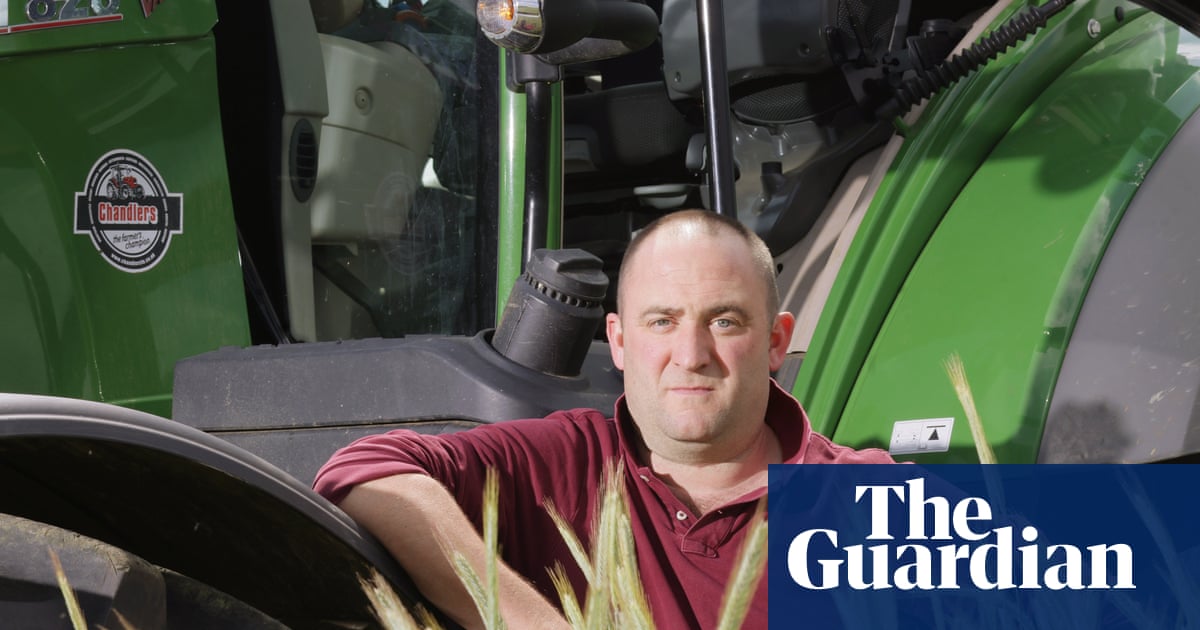
British agricultural producers are raising urgent alarms regarding the stability of the nation's food supply chains, citing a convergence of economic and environmental pressures that threaten to destabilize domestic production. Jamie Burrows, an arable farmer in Norfolk and chair of the crops board at the National Farmers’ Union, describes a sector under severe strain. While farmers are actively preparing fields hardened by a record-breaking hot summer for new planting, many face insurmountable financial hurdles in financing these essential operations. The situation has deteriorated to the point where Burrows warns that some farming businesses may not survive the current economic climate.
The financial burden on producers has intensified significantly since late February, driven largely by geopolitical tensions involving Iran. The cost of red diesel, a taxed fuel critical for agricultural machinery, has nearly doubled during this period. Simultaneously, prices for fertilizers and animal feed have surged by approximately twenty percent. These input costs coincide with the aftermath of the UK’s hottest summer on record, which featured successive heatwaves and drought conditions. Official production estimates indicate that these extreme weather events resulted in England’s worst recorded cereals harvest, further squeezing margins for growers who are already struggling to cover basic operational expenses.
Beyond immediate financial pressures, experts point to deeper structural vulnerabilities within the British food system. The United Kingdom produces roughly sixty percent of its own food but remains more dependent on imports than many European counterparts. Government research suggests that British households are less prepared for potential emergencies compared to their neighbors in Europe. This lack of readiness is compounded by the fact that the strategic food stockpile maintained since World War II was dismantled in the 1990s. In contrast, several Scandinavian nations have retained or rebuilt national preparedness measures, including strategic grain reserves and robust community response frameworks.
The concentration of the UK’s food distribution network presents another significant risk factor. Academic researchers note that the system is highly centralized, making it susceptible to disruption from cyber-attacks, energy outages, or targeted actions by malicious actors. The supermarket sector relies on just 131 distribution hubs to supply over twelve thousand stores. Furthermore, the Cold Chain Federation has highlighted that the majority of Britain’s food imports enter through only four major ports: Dover, Felixstowe, Southampton, and London Gateway. This bottleneck creates a single point of failure that could severely impact availability if any of these entry points were compromised.
In response to growing concerns, parliament’s public accounts committee is initiating a series of hearings to examine the resilience of the UK food supply. The inquiry will focus on findings from the National Audit Office, which identified shortcomings in recent catastrophe planning exercises conducted by the Department for Environment, Food and Rural Affairs. Critics note that these previous drills largely excluded key businesses within the food supply chain, limiting their effectiveness in testing real-world scenarios. The committee aims to assess whether current government strategies are adequate to handle simultaneous crises, such as climate shocks combined with geopolitical instability.
A coalition of more than 150 food experts and academics has publicly criticized ministers for what they describe as complacency regarding food security. They argue that there is no coherent plan to feed the population in the event of a major emergency. Professor Paul Behrens of the Oxford Martin School emphasized that while the UK managed to navigate specific past events like the pandemic, the current landscape involves multiple overlapping crises. These include worsening climate conditions and increasing water scarcity in key export regions such as North Africa and the Mediterranean, which supply fresh produce to British households.
Despite these warnings, some industry observers believe the government is beginning to acknowledge the severity of the threats. The Cabinet Office has launched a campaign encouraging households to stock up on nonperishable items, including tinned foods and bottled water. The official Prepare website outlines steps for individuals to take in anticipation of future emergencies. However, experts maintain that individual preparedness cannot substitute for systemic resilience. Professor Tim Lang of the Centre for Food Policy has long argued that without addressing the concentration of logistics and investment in local production, the UK remains exposed to significant risks.
The coming weeks will likely see increased political pressure on ministers to treat food security as a matter of national safety. As the public accounts committee begins its work, the focus will shift from theoretical planning to practical implementation. Stakeholders are calling for a comprehensive strategy that includes diversifying supply routes, supporting domestic agricultural viability, and potentially reinstating elements of strategic reserve capacity. The intersection of climate change, geopolitical conflict, and economic volatility has created a perfect storm that demands immediate and coordinated government action to prevent future shortages.
For consumers, the implications are becoming increasingly tangible. While shelves remain stocked for now, the fragility of the supply chain means that disruptions could occur with little warning. The advice to store essential goods is not merely precautionary but a reflection of the acknowledged gaps in national infrastructure. As farmers struggle to plant crops and import routes face potential bottlenecks, the resilience of the British food system will be tested by both external shocks and internal inefficiencies. The outcome of these parliamentary hearings may determine whether the government adopts a more proactive stance or continues to rely on reactive measures.
Sources behind this briefing
Go to the original reporting
- The Guardian Business↗‘Some aren’t going to make it’: how pressure on farmers threatens UK food security

