The short version
- Approximately forty percent of British food is imported, with reliance on foreign sources for fresh produce significantly higher than in neighboring European nations.
- The majority of countries supplying staple healthy foods to the UK are rated as moderately to severely vulnerable to climate change impacts.
- Domestic growers cite high energy costs, labor shortages, and regulatory uncertainty as barriers to increasing local production of fruits and vegetables.
A recent report from the Food Foundation charity indicates that the United Kingdom faces significant risks to its food supply chain due to heavy dependence on imports from nations already experiencing severe climate stress. While Britain has endured record-breaking heatwaves, droughts, and wildfires this year, which have damaged domestic crops and reduced yields, the country continues to source a large portion of its fresh produce from regions even more exposed to environmental instability. This reliance creates a precarious situation where global climate disruptions could directly impact local food availability and pricing.
The data reveals that approximately forty percent of all food consumed in Britain is imported. This figure rises sharply when examining specific categories, with eighty percent of fruit and forty-seven percent of vegetables coming from abroad. These rates place the UK among the least self-sufficient large western European countries for fresh produce, surpassing the import dependency levels seen in France, Germany, or Spain. Although the nation generally produces sufficient quantities of grains, meat, milk, and eggs to meet domestic demand, the gap in fruit and vegetable production remains a critical vulnerability.
The Food Foundation’s analysis highlights a concerning mismatch between UK dietary goals and current production realities. Eighteen of the top twenty countries that supply healthy staple foods to Britain are classified as moderately to severely vulnerable to climate breakdown. The United Nations’ Intergovernmental Panel on Climate Change has warned that without improved resilience measures, rising temperatures will lead to lower crop yields, increased heat stress for plants, and diminished quality in agricultural outputs. These effects are expected to be particularly pronounced across the Mediterranean, North Africa, and parts of South and Central America, regions that currently serve as key suppliers.
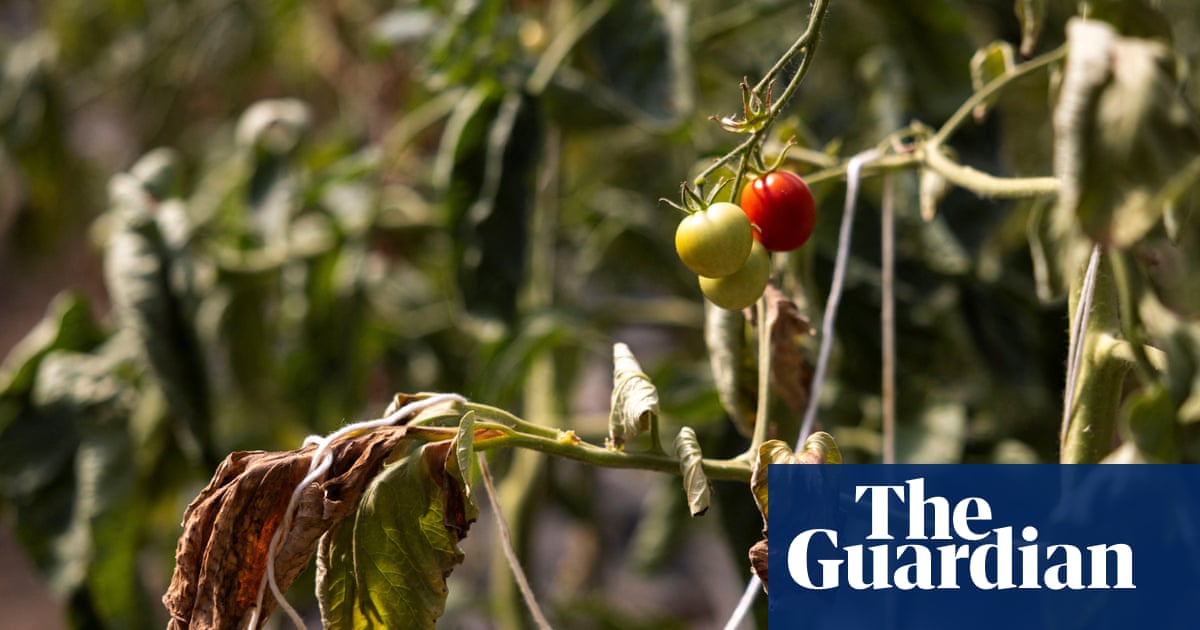
Despite the potential for domestic growth, British agriculture struggles to meet local demand for popular items. Five of the nine most-purchased fruits in the UK, including apples, strawberries, blueberries, raspberries, and pears, can be grown within the country. However, domestic production covers less than forty percent of consumption for four of these varieties. Similarly, while carrot production reaches a high level of self-sufficiency at ninety-four percent, other widely consumed vegetables such as tomatoes, mushrooms, peppers, cucumbers, onions, broccoli, and green beans are only about half-produced domestically. This shortfall underscores the structural challenges in scaling up local horticulture.
Industry leaders argue that several systemic barriers prevent British farmers from expanding their output. Horticulture businesses, particularly those operating glasshouses, report struggling with energy costs that exceed those in neighboring European countries. These elevated expenses have forced some producers to reduce their operations. In addition to financial pressures, growers face ongoing challenges related to labor shortages, unpredictable weather patterns, and shifts in post-Brexit subsidy structures. These factors combine to create an uncertain environment for investment and expansion in the agricultural sector.
Ali Capper, who manages an apple and hops farm in Worcestershire and chairs the British Apples and Pears trade body, emphasized that members are eager to increase production but require policy certainty. Key needs include guaranteed access to seasonal workers, reliable water supplies for food production, flexible planning regulations, and competitively priced energy. Furthermore, growers seek market stability through long-term agreements that ensure profitable returns. Without these foundational supports, the ability to shift supply chains toward domestic sources remains limited.
The warning from the Food Foundation follows similar alerts from the Cold Chain Federation and other food experts, who have highlighted risks posed by extreme weather, fuel shortages, and potential cyber-attacks on supply infrastructure. Anna Taylor, executive director at the Food Foundation, noted that climate impacts could drive up prices in the future, making nutritious foods less accessible to many consumers. She urged the government to take immediate action to prevent these outcomes by investing in measures that help British farmers adapt to changing climatic conditions.
As the UK government prepares to release its forthcoming horticulture sector growth plan, food producers are calling for comprehensive solutions to address these multifaceted challenges. The report suggests that increasing domestic production is not only feasible but necessary to mitigate supply risks and price shocks. By addressing energy costs, labor availability, and regulatory frameworks, policymakers could enhance the resilience of the national food system. Failure to act may leave the country increasingly dependent on volatile international markets while domestic agricultural potential remains underutilized.
Sources behind this briefing
Go to the original reporting
- The Guardian World↗UK relies on heat-stressed countries for fruit and veg it could grow itself – report

