The short version
- Wes Streeting reports receiving an unprecedented volume of homophobic abuse since taking office as the UK defence secretary.
- The appointment marks a significant shift from the era when gay personnel were banned from military service until the year 2000.
- Government efforts to financially recognize former victims of the ban face criticism over processing speeds and eligibility criteria.
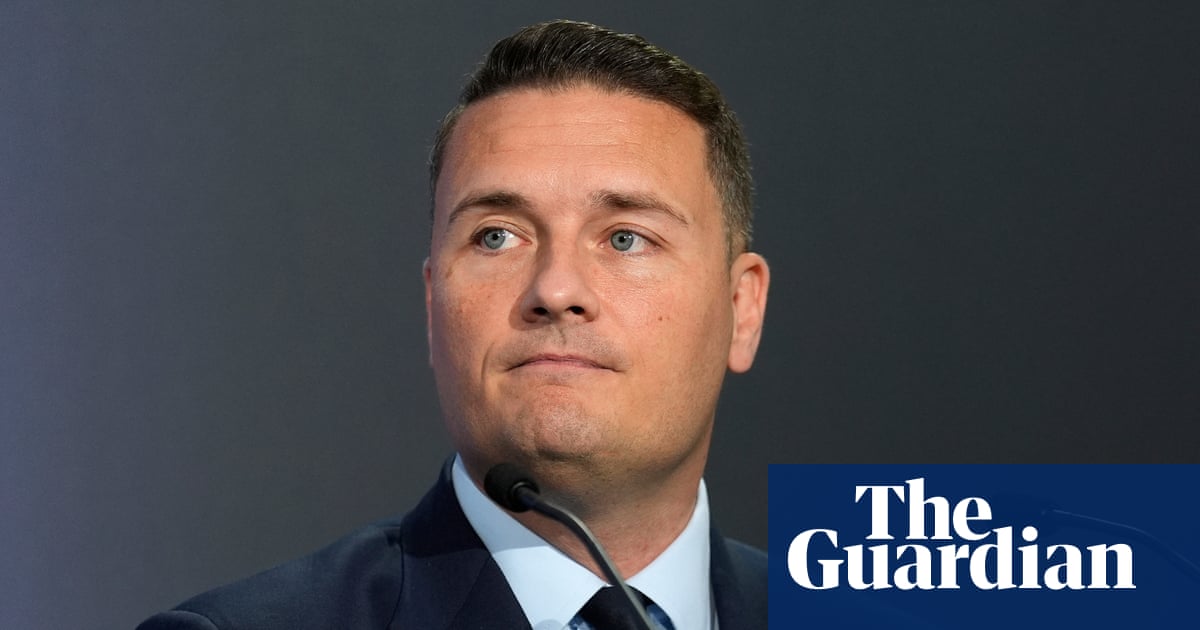
Wes Streeting, the United Kingdom’s newly appointed defence secretary, has disclosed that he has encountered a significant increase in hostile online messaging since assuming his role last month. As the first openly gay individual to hold this position, Streeting noted that the volume of abuse received in just three weeks exceeds what he has experienced throughout his entire life. He attributed this surge to a segment of the population struggling to accept the leadership of an LGBTQ+ figure over the nation’s armed forces.
Despite the intensity of the digital backlash, Streeting emphasized that the reaction within official channels and mainstream media has been largely muted. He expressed satisfaction that his sexual orientation was not a central topic in traditional news coverage, viewing this silence as evidence of progress in British society. However, he acknowledged that online spaces continue to harbor persistent stereotypes and hostility, which he intends to counter by demonstrating competence and resilience in his duties.
The historical context of Streeting’s appointment remains relevant to the current discourse. Until the year 2000, gay men and lesbian women were prohibited from serving in the UK military. During this period, an estimated two hundred personnel were dismissed annually due to their sexuality, although precise records were not maintained by the government at the time. Streeting highlighted the dramatic shift from an era of exclusion to one where a gay individual can lead the defence establishment, describing it as a source of personal pride.
Within the Ministry of Defence, Streeting reported receiving positive feedback from staff members who view his appointment as a symbolic break from past discrimination. One colleague reportedly expressed pride in having a gay leader, citing the memory of previous restrictive policies. This internal support contrasts sharply with the external vitriol, suggesting that institutional culture may be more aligned with modern inclusivity standards than the most vocal online critics imply.
The government is also addressing the legacy of the military ban through the LGBT Financial Recognition Scheme, established in 2024 under Prime Minister Keir Starmer. This initiative allows personnel who were dismissed or discharged between 1967 and 2000 to apply for compensation payments of up to £70,000. The scheme represents a formal acknowledgment of past injustices and an attempt to provide financial redress to those affected by discriminatory policies.
However, the implementation of the recognition scheme has faced scrutiny. Some members of parliament have raised concerns regarding the slow pace at which claims are being processed. Additionally, legal challenges have emerged from veterans who were forced to resign rather than be formally dismissed or discharged. These individuals argue that they should receive equivalent compensation levels, highlighting gaps in the current eligibility criteria and the complexity of addressing historical wrongs.
Streeting’s role also involves international coordination, including liaison with Pete Hegseth, the US defence secretary. Hegseth has taken a markedly different approach to military inclusion, recently unveiling plans to test service personnel for testosterone levels. As a vocal opponent of equality initiatives, Hegseth previously ordered the renaming of a US Navy ship that had been named in honor of Harvey Milk, a gay rights activist and naval veteran. This divergence in policy approaches underscores the contrasting political environments facing defence leaders on both sides of the Atlantic.
Looking ahead, Streeting intends to use his position to challenge lingering stereotypes while focusing on the substantive responsibilities of the defence portfolio. He views the current moment as an opportunity to demonstrate that LGBTQ+ individuals can lead with strength and confidence in traditionally conservative institutions. The ongoing processing of compensation claims and the management of international defence relations will remain key priorities as he navigates both domestic expectations and external pressures.
Sources behind this briefing
Go to the original reporting
- The Guardian World↗Wes Streeting describes ‘unbelievable volume’ of homophobic abuse since becoming defence secretary

