The short version
- Five former Barclays traders had their convictions for manipulating Libor and Euribor rates overturned by the UK Court of Appeal.
- The Serious Fraud Office did not oppose the appeals, citing unsafe convictions after earlier Supreme Court rulings found trial errors in similar cases.
- Only two individuals retain convictions related to these scandals, with one facing an upcoming appeal that prosecutors intend to contest.
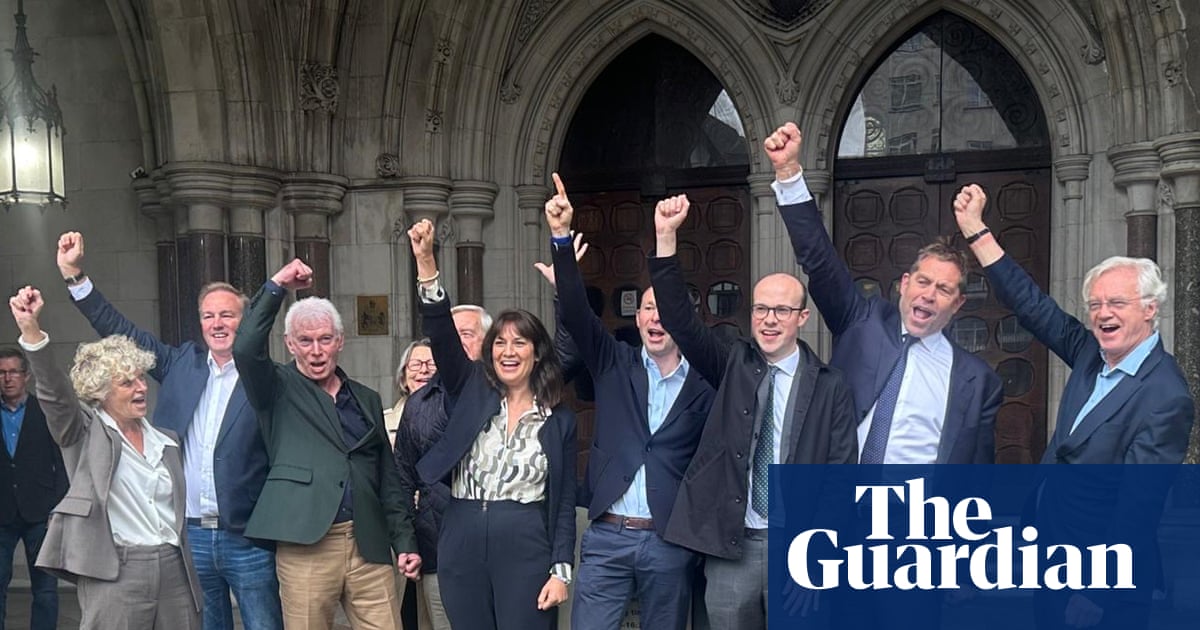
The United Kingdom’s Court of Appeal has overturned the criminal convictions of five former Barclays traders who were previously jailed for manipulating key global interest rates. The ruling, delivered on Wednesday, clears the names of Jay Vijay Merchant, Jonathan Mathew, Philippe Moryoussef, Alex Pabon, and Colin Bermingham. This decision represents a significant shift in the legal aftermath of the Libor and Euribor scandals, which dominated financial news during the years following the 2008 global economic crisis.
The five men were originally convicted between 2016 and 2019 for conspiracy to defraud. Prosecutors had argued that their actions distorted the London interbank offered rate (Libor) and the euro interbank offered rate (Euribor). These benchmark rates determined borrowing costs for mortgages, car loans, and pensions, as well as the valuation of hundreds of trillions of dollars in financial derivatives worldwide. The convictions were part of a broader effort to hold bankers accountable for practices that contributed to public anger during the financial crisis.
The path to these acquittals began with earlier legal victories by other traders. In July 2025, the UK Supreme Court overturned the convictions of Tom Hayes and Carlo Palombo, finding that trial judges had provided inaccurate and unfair instructions to juries. The Supreme Court determined that these errors deprived the defendants of a fair trial, even though it noted there was ample evidence for a properly directed jury to consider. Those rulings prompted the Criminal Cases Review Commission to refer the cases of the five Barclays traders back to the Court of Appeal in January.
The Serious Fraud Office (SFO), which originally prosecuted the bankers, acknowledged that the convictions might be unsafe in light of the Supreme Court’s findings. Consequently, the agency did not contest the recent appeals. Jason Williams, head of division at the SFO, stated that it was not in the public interest to seek retrials for Hayes and Palombo. The SFO maintained that while procedural errors occurred, the underlying evidence remained substantial.
For the acquitted traders, the ruling ends years of legal and personal strain. Jonathan Mathew described the conviction as a burden carried every day for a decade, noting that clearing his record provides validation for himself and his children. Jay Merchant expressed hope to move forward while ensuring accountability for those responsible for the judicial errors. Alex Pabon credited Tom Hayes with persisting in the fight, which paved the way for others to challenge their sentences.
The legal proceedings have taken a heavy toll on the defendants’ lives. Tom Bushnell, a lawyer representing three of the acquitted men, highlighted that it took over a decade to correct the wrongs in some cases. He urged the criminal justice system to examine how such errors were made and repeated, and why corrections took so long. Philippe Moryoussef, who was sentenced in absentia after France refused extradition, also saw his conviction quashed.
Despite these reversals, not all convictions related to rate rigging have been overturned. Former Deutsche Bank trader Christian Bittar, who pleaded guilty in 2018 and served two years in prison, is scheduled to appeal his conviction later this month. Unlike the Barclays cases, the SFO intends to contest Bittar’s appeal, arguing that his conviction remains safe. Peter Johnson, a former Barclays trader and whistleblower who also pleaded guilty, hopes to challenge his sentence as well.
The unraveling of these high-profile prosecutions raises questions about the balance between holding financial institutions accountable and ensuring fair legal processes. The initial convictions were seen by many as symbolic punishments for banker greed during a period of widespread economic distress. As the number of standing convictions dwindles, the focus shifts to understanding whether normal commercial practices were unfairly criminalized in an effort to appease public outrage.
Full reasons for the Court of Appeal’s decision are expected to be published later this week. The outcome underscores the complexity of prosecuting financial misconduct and the lasting impact of procedural errors on individual lives. While the SFO maintains that evidence of wrongdoing existed, the legal system has now determined that the trials themselves were fundamentally flawed.
This development marks a pivotal moment in the long shadow cast by the 2008 financial crisis. As the final appeals are heard, the financial industry and legal experts will closely watch how courts reconcile the need for accountability with the rights of defendants. The case serves as a reminder that justice requires not only evidence but also rigorous adherence to fair trial standards.
Sources behind this briefing
Go to the original reporting
- The Guardian World↗Ex-Barclays traders jailed for rigging interest rates have convictions quashed
- BBC Business↗Ex-bankers jailed for rigging rates have convictions quashed