The short version
- Chancellor John Healey reaffirmed the government's commitment to strict fiscal rules, arguing that failing to balance public finances is not a progressive policy choice.
- New initiatives include a mayor-led local apprenticeship service and significant investment in British shipyards, aimed at boosting growth and addressing youth unemployment.
- Government borrowing costs have surged to their highest levels in nearly twenty years, driven by global market jitters and rising welfare expenditures.
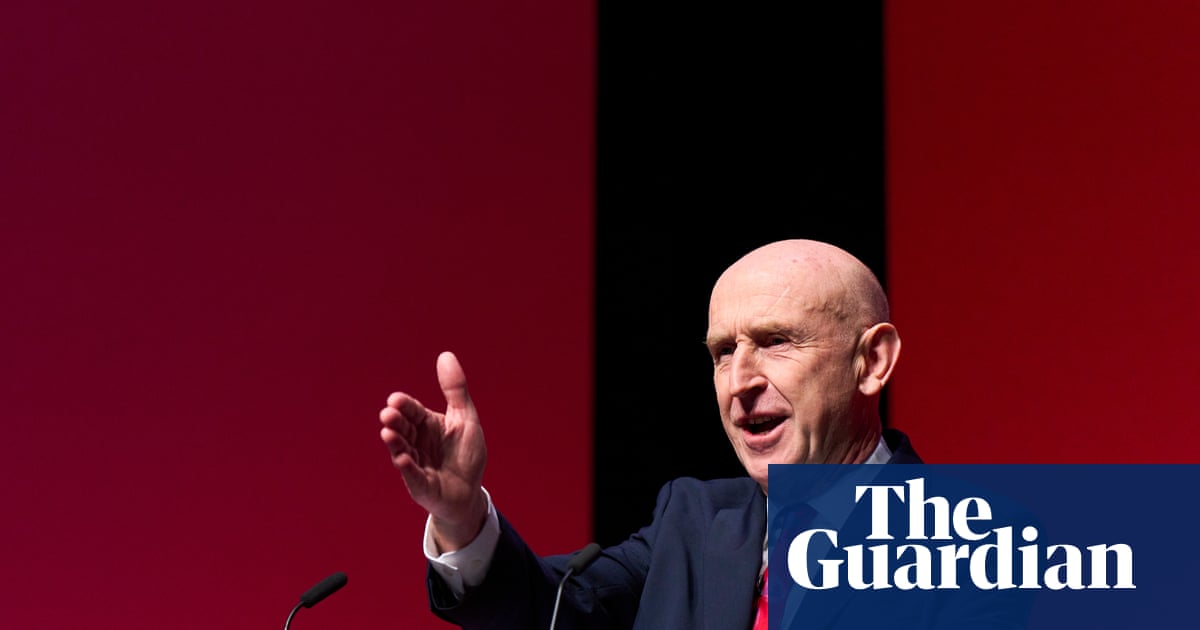
Chancellor John Healey has signaled that the upcoming budget will prioritize strict adherence to fiscal rules, even as the United Kingdom faces mounting economic pressures. Speaking at the Labour conference, Healey emphasized that maintaining control over public finances is essential for long-term stability. He argued that allowing the benefits bill to expand unchecked without corresponding revenue growth is not a progressive approach. This stance comes as the government prepares to address a challenging global economic backdrop, including rising borrowing costs and persistent inflationary pressures.
The chancellor’s remarks underscore a delicate balancing act between funding new policy priorities and maintaining market confidence. Healey warned that the budget must account for a difficult international environment, noting that financial markets are currently jittery due to geopolitical tensions, including conflicts in Iran. These external factors have contributed to a sharp rise in the cost of government borrowing, which has reached its highest level in almost two decades. Economists have cautioned that these rising costs could force difficult choices regarding tax increases or spending cuts in the near future.
To address structural economic issues, Healey announced several new measures aimed at stimulating growth and reducing unemployment. A key component of this strategy is a new local apprenticeship service led by mayors, designed to create thousands of additional training opportunities for young people across the country. This initiative aligns with broader efforts to tackle the crisis in youth worklessness, for which the government is awaiting recommendations from a review led by former cabinet minister Alan Milburn. The focus on skills and employment reflects a shift toward practical solutions for labor market challenges.
Healey also highlighted plans to support industrial growth, announcing £6 billion in contracts for British shipyards. This investment is part of a broader vision to usher in a new era of industrialization and strengthen economic output in every region. By targeting specific sectors with significant government backing, the administration aims to demonstrate that fiscal discipline does not preclude active support for strategic industries. These measures are intended to complement other growth initiatives, including those proposed by Prime Minister Keir Starmer and Mayor Andy Burnham.
The political context of these announcements is marked by sharp criticism of previous governments. Healey attributed the current economic difficulties to the policies of the Conservative Party over the past thirteen years, citing austerity measures, Brexit-related trade disruptions, and market instability caused by previous fiscal missteps. He also directed criticism toward Reform UK, characterizing their approach as reckless and driven by the interests of wealthy donors rather than broad economic stability. This rhetoric serves to frame the current administration’s fiscal caution as a necessary corrective to past excesses.
Historical comparisons were drawn to reinforce the message of fiscal prudence. Healey referenced his time as an adviser to Gordon Brown in the 1990s, noting that the financial resources available during New Labour’s early years are no longer present. He wore a red tie he had lent to Brown for a conference speech more than twenty years ago, using it as a visual symbol of the changed economic landscape. This gesture was intended to illustrate that the government cannot rely on the same fiscal headroom that existed in previous decades.
The upcoming budget is expected to include tough decisions regarding public spending and taxation. Andy Burnham has warned that difficult choices will be necessary to address systemic issues, including the social care system and housing affordability. Healey’s commitment to balancing day-to-day spending with revenues by 2030 sets a clear target for fiscal consolidation. This timeline provides a framework for gradual adjustment, but it also limits the scope for immediate large-scale spending increases.
As the budget date approaches, attention will focus on how the government manages the trade-off between fiscal restraint and social investment. The rise in diesel prices to record highs adds further pressure on household budgets, complicating the political landscape. Healey’s strategy relies on the belief that market confidence and long-term growth are best served by predictable, rule-based fiscal management. Whether this approach will satisfy both economic critics and party members seeking more immediate relief remains to be seen.
The broader implications of these policies extend beyond immediate budgetary concerns. By linking fiscal discipline to social progress, Healey attempts to redefine the terms of political debate around public spending. The success of this strategy will depend on the government’s ability to deliver tangible improvements in employment and industrial output while keeping borrowing costs under control. In an era of global economic uncertainty, the UK’s approach may serve as a test case for how governments can navigate fiscal constraints without sacrificing growth objectives.
Looking ahead, the implementation of these plans will require careful coordination between central government and local authorities. The mayor-led apprenticeship service, in particular, depends on effective regional execution to achieve its goals. Similarly, the shipyard contracts must translate into sustained job creation and industrial revitalization. As the budget details emerge, stakeholders will scrutinize whether the proposed measures provide sufficient support for vulnerable populations while adhering to the stated fiscal rules.
Sources behind this briefing
Go to the original reporting
- The Guardian World↗Healey vows to stick to fiscal rules in budget built on hope

