The short version
- Lisa Nandy cautions that revisiting EU membership could fuel political division and benefit opposition parties.
- Prime Minister Andy Burnham seeks to frame a public conversation about closer ties without immediately committing to full reintegration.
- Upcoming negotiations in Brussels will focus on specific policy areas including agriculture, emissions trading, and youth visas.
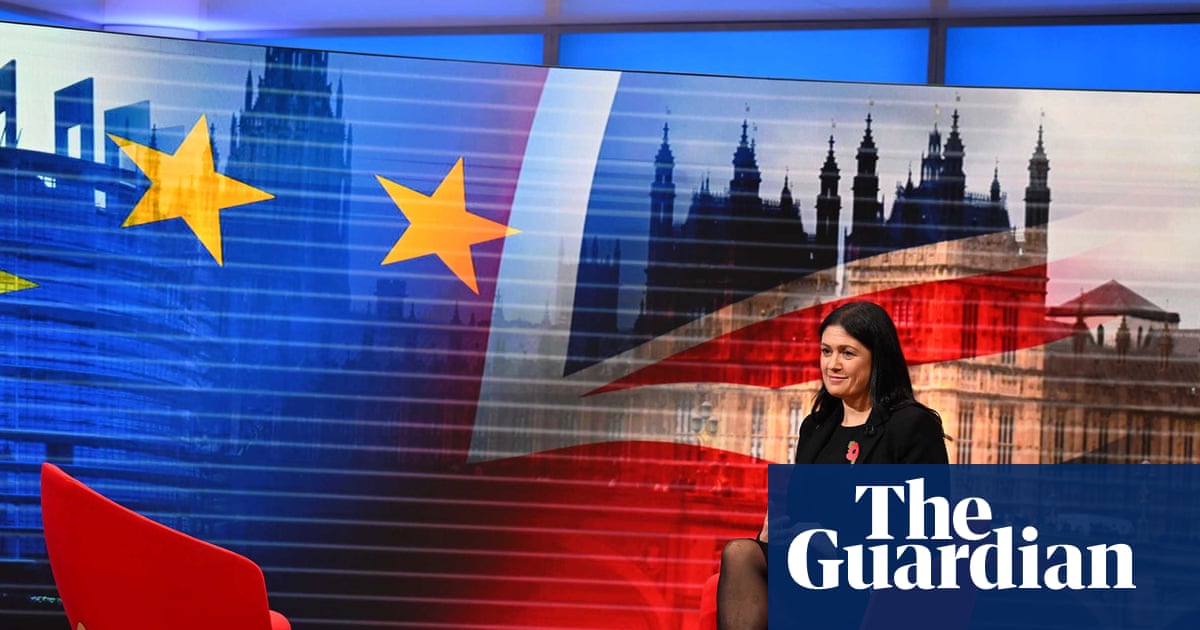
A significant rift has emerged within the British cabinet regarding the future of the United Kingdom’s relationship with the European Union. Lisa Nandy, the culture secretary, has publicly expressed caution about reigniting debates over rejoining the bloc, describing such discussions as circular and potentially damaging to political stability. Her stance highlights a growing tension between ministers who fear reopening old wounds and those who believe the government must address the shortcomings of the post-Brexit settlement.
Nandy, representing a constituency that voted heavily for leaving the EU in 2016, suggested that the public is weary of repetitive arguments about membership status. She indicated that while she does not necessarily support a return to the union, the government has failed to deliver on promises made during the referendum campaign. This perspective aligns with concerns from other senior figures who worry that pushing for deeper integration could inadvertently boost the popularity of Nigel Farage’s Reform UK party.
In contrast, Prime Minister Andy Burnham is actively pursuing a strategy to reset relations with European partners. He plans to use an upcoming summit in Dublin to advance Labour’s agenda for closer cooperation. Downing Street sources indicate that Burnham aims to finalize current agreements and begin laying the groundwork for more ambitious integration efforts after the next general election. His approach involves framing the conversation around practical benefits rather than abstract ideological debates.
The immediate focus of these diplomatic efforts will be a meeting in Brussels on November 20, where officials are expected to confirm deals on agriculture, food standards, emissions trading, and youth experience visas. These agreements represent tangible steps toward reducing friction between London and Brussels. Burnham has signaled that this summit is not the end of his ambitions, but rather a starting point for broader discussions on defense collaboration, law enforcement, and border management.
Burnham’s long-term vision includes seeking a mandate in the next election manifesto to negotiate further integration with the EU. Government insiders suggest that any future referendum would be confirmatory in nature, designed to approve a defined plan rather than ask voters to choose between undefined options as occurred in 2016. This strategy aims to avoid the mistakes of previous administrations by providing clarity and structure to the decision-making process.
However, not all cabinet members share Burnham’s enthusiasm for deeper ties. Business Secretary Jonathan Reynolds and Home Secretary Shabana Mahmood have voiced reservations about fully rejoining the EU. Their caution reflects broader concerns within the government about the political risks associated with challenging the status quo. These internal disagreements underscore the difficulty of building a consensus on such a contentious issue.
European officials are also wary of the UK’s intentions. Michel Barnier, the former chief Brexit negotiator for the EU, warned that London cannot expect to cherry-pick elements of the single market while rejecting others. He emphasized that the four freedoms, including the free movement of people, are indivisible and that any future negotiations would require a comprehensive approach rather than selective participation.
The debate has also spilled over into cultural and symbolic territory. Nandy faced criticism from Conservative Party chair Kevin Hollinrake for linking the expansion of the Erasmus student exchange program to Remembrance Sunday. She defended the move by arguing that understanding the sacrifices made by previous generations fosters a deeper appreciation for international cooperation. This incident illustrates how deeply entrenched political divisions continue to influence even seemingly apolitical decisions.
As the government navigates these complex dynamics, the path forward remains uncertain. Burnham’s strategy relies on carefully managing public opinion and building support for closer ties without alienating voters who remain skeptical of EU integration. The success of this approach will depend on his ability to balance competing interests within his cabinet and address the legitimate concerns of those who fear a return to the uncertainties of the past decade.
The coming months will be critical in determining whether the UK can achieve a stable and productive relationship with its European neighbors. While specific agreements on trade and visas may provide short-term relief, the broader question of long-term integration remains unresolved. The government’s ability to navigate this delicate balance will likely define its legacy and shape the political landscape for years to come.
Sources behind this briefing
Go to the original reporting
- The Guardian World↗Lisa Nandy wary of ‘circular arguments’ about rejoining EU


