The short version
- The UK government has presented suppressed intelligence findings to foreign ministers, asserting that climate change and nature loss are defining national security challenges rather than solely environmental concerns.
- Officials warn that an intensified El Niño event, driven by broader climate breakdown, threatens to destabilize global food systems, trigger mass migration, and strain economic markets across borders.
- New initiatives include a dedicated ministerial taskforce combining military and scientific expertise, alongside significant funding for international nature protection efforts in developing nations.
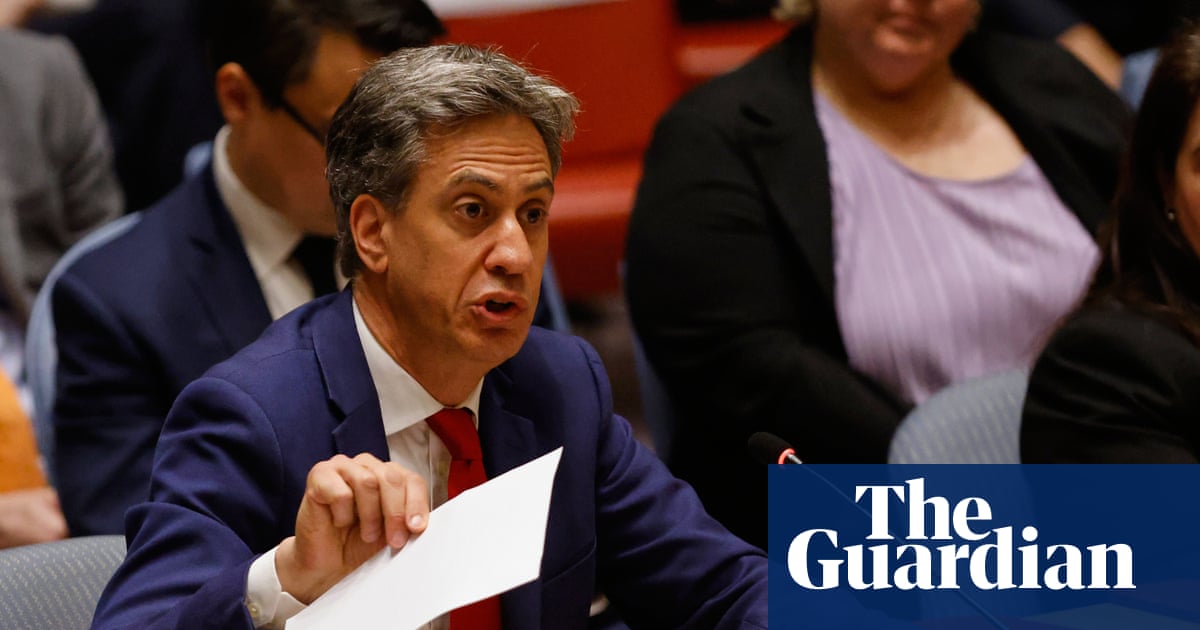
The United Kingdom has formally communicated to its international allies that the deterioration of global ecosystems and extreme weather patterns constitute immediate threats to national defense and stability. During a private gathering at the United Nations General Assembly in New York, Foreign Secretary Ed Miliband presented findings from a classified intelligence assessment to foreign ministers from the European Union, Kenya, and other nations. This briefing marks a significant shift in diplomatic strategy, elevating climate resilience from an environmental policy issue to a core component of security planning.
The intelligence report, produced by the UK’s Joint Intelligence Committee, had originally been scheduled for public release last October but was withheld by Downing Street just before publication. A redacted version eventually emerged in January following a Freedom of Information request, though full disclosure remains resisted by ministers. Miliband’s decision to share the unredacted insights with select foreign counterparts suggests an effort to build consensus on treating ecological collapse as a strategic priority comparable to traditional geopolitical threats.
Central to the briefing was the warning that natural systems are approaching critical tipping points. The report highlights the potential collapse of major rainforests, including those in the Amazon and Congo basins, as drivers of global instability. Miliband emphasized that these environmental failures would not remain contained within national borders but would cascade into conflict, forced migration, and severe shortages of essential resources. The presentation aimed to demonstrate that ecological degradation is now a defining challenge for economies, foreign policy, and citizen safety.
Immediate concerns focus on the impending El Niño weather phenomenon, which officials describe as supercharged by broader climate breakdown. Miliband characterized this upcoming cycle as potentially the most intense in living memory, predicting it will test global food security systems to an unprecedented degree. Recent heatwaves, agricultural failures, and inflation in food prices were cited as early indicators of the disruptions to come. The administration argues that these shocks compound across borders, displacing communities and placing immense pressure on international markets.
Security experts support the framing of climate change as a national security imperative. Richard Nugee, a retired general and security analyst, noted that the physical impacts of environmental damage, such as infrastructure failure from flooding, carry the same strategic weight as acts of sabotage by hostile states. He argued that governments must treat climate risks with the same urgency as terrorism or state aggression, particularly given the potential for resource scarcity to fuel recruitment by extremist groups and destabilize regions dependent on agriculture.
To operationalize this new security posture, Miliband announced the creation of a special representative role focused specifically on climate security. Additionally, a new ministerial taskforce will be established to address the resilience risks associated with changing climates and nature loss. This body is designed to integrate perspectives from military leaders, intelligence officials, and climate scientists, ensuring that defense strategies account for environmental variables. The move reflects a broader institutional effort to embed ecological considerations into high-level decision-making processes.
Financial commitments accompany these structural changes. The UK pledged £330 million to the Global Environment Facility, an international fund dedicated to protecting nature in developing countries. These resources will target the preservation of forests, oceans, and other critical ecosystems that serve as buffers against climate volatility. By investing in global environmental stability, the UK aims to mitigate the root causes of security threats before they escalate into crises requiring military or humanitarian intervention.
The diplomatic push follows a public address by Miliband at the UN General Assembly, where he outlined the connections between ecological health and national strength. He argued that future-ready nations will be those that anticipate risks and invest in resilience proactively, rather than reacting to disasters after they occur. The closed-door meeting served to deepen these discussions among key partners, reinforcing the message that climate and nature security are now intrinsic to economic and foreign policy objectives.
While the intelligence community has long monitored environmental trends, the suppression of this specific report highlights the political sensitivity surrounding its conclusions. Critics may view the delayed transparency as an attempt to manage public perception, while proponents see the current diplomatic engagement as a necessary step toward global cooperation. As the El Niño cycle intensifies, the validity of these warnings will likely be tested by real-world disruptions in food supply chains and regional stability.
The UK’s approach signals a broader trend among Western nations to integrate climate data into defense planning. By sharing suppressed findings with allies, London seeks to establish a unified front against non-traditional security threats. The success of this strategy will depend on whether other governments adopt similar frameworks for assessing environmental risks and allocating resources accordingly. In the coming months, the actions of the new taskforce and the deployment of international funds will provide early indicators of how seriously these commitments are being implemented.
Sources behind this briefing
Go to the original reporting
- The Guardian World↗UK shares findings of damning climate crisis national security report suppressed under Starmer