The short version
- British authorities attribute the temporary shutdown of a small energy generator to hackers linked to Iran, though officials stress the national grid remained secure throughout the incident.
- The attack appears to be a retaliatory measure following London's decision to allow the United States to conduct defensive military operations from UK bases against Iranian targets.
- Government agencies are updating cybersecurity regulations and developing a new energy resilience strategy in response to increasing threats from hostile state actors.
British officials have identified hackers affiliated with Iran as responsible for a cyber-attack that forced the temporary closure of a small-scale power generator. The incident, which occurred last month, resulted in the facility being offline for four days. While the event highlights growing digital vulnerabilities, government representatives emphasized that the wider national energy system was never at risk and continued to operate without interruption.
The Department for Energy Security and Net Zero confirmed that the affected site was a minor generator rather than a major power station. These smaller facilities often provide short-term capacity support to the grid but do not constitute essential infrastructure in the same way large-scale plants do. The National Cyber Security Centre stated it had not received reports of outages from regulated operators of major power stations, reinforcing the assessment that the broader network remained stable.
This disruption marks a notable shift in the nature of threats facing British infrastructure. It follows recent diplomatic moves in which the UK government granted permission for the United States to launch defensive operations against Iranian targets from bases located on British soil. Tehran has previously warned that any base used for aggression against its territory would be considered a legitimate target, signaling a clear link between the cyber incident and ongoing geopolitical tensions.
Prime Minister Andy Burnham was recently notified of the decision to extend the agreement with the US regarding these defensive operations. The current administration has maintained a strict policy distinction, allowing defensive actions while refusing to participate in offensive military campaigns against Iran. This stance has not changed despite the recent cyber-attack, suggesting that London intends to uphold its strategic commitments even as digital threats escalate.
Iran has long been recognized as a sophisticated actor in cyberspace, with a history of targeting critical infrastructure abroad. Previous incidents include a massive power outage in Turkey in 2015 and suspected breaches of Israeli government websites in 2022. More recently, US security agencies warned of campaigns by an Iran-affiliated group known as CyberAv3ngers, which compromised dozens of devices across multiple infrastructure sectors in 2023. The current attack fits within this pattern of state-sponsored digital aggression.
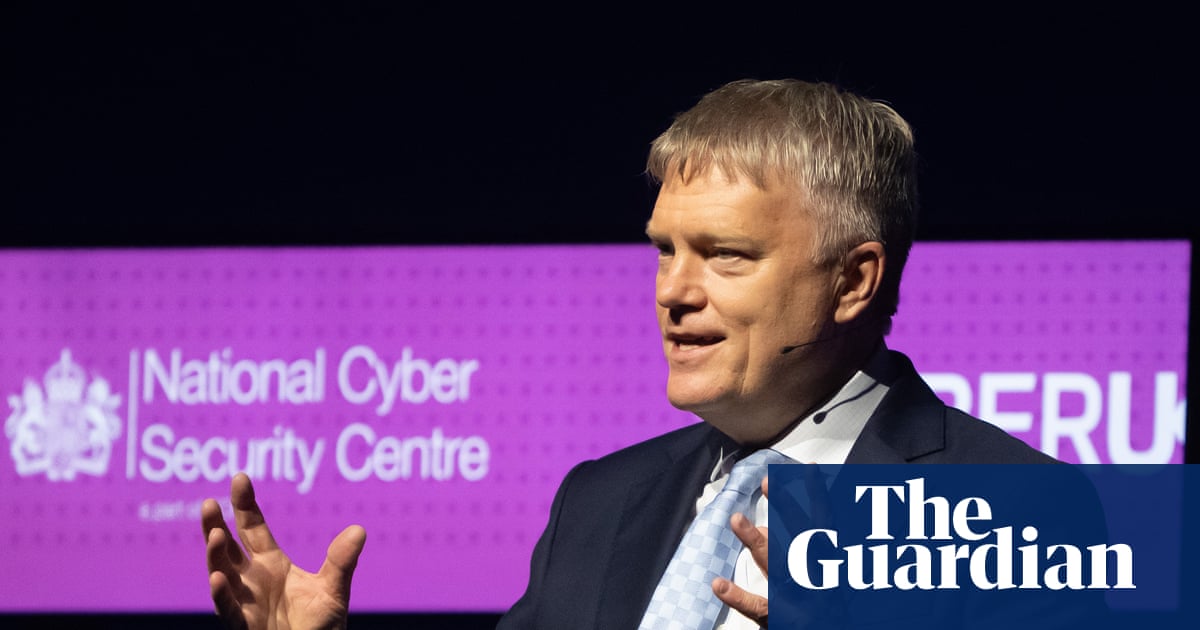
Richard Horne, chief executive of the National Cyber Security Centre, has warned that hostile states including Russia, China, and Iran are increasingly targeting systems behind key UK services. The recent incident underscores the urgency of these warnings, even if the immediate impact was contained. For security reasons, neither the government nor the NCSC provided specific details about the location or identity of the affected generator, a standard practice to prevent further exploitation of vulnerabilities.
In response to the evolving threat landscape, the UK government is taking steps to strengthen its defenses. The Department for Energy Security and Net Zero has contacted power companies to advise them on the risks of cyber-attacks and is working on a new energy resilience strategy expected later this year. Additionally, regulations governing cybersecurity in the energy sector are being updated to ensure higher standards of protection across the industry.
While Western cyber-security experts have been bracing for significant attacks from Iran or its proxies due to the conflict with the US, activity has been relatively limited so far. This incident may signal a change in tactics, moving from reconnaissance and minor breaches to more disruptive actions against physical infrastructure. However, the containment of the attack to a small generator suggests that Iranian actors are still testing boundaries rather than launching a full-scale assault on the national grid.
Sources behind this briefing
Go to the original reporting
- The Guardian World↗Iran-linked hackers blamed for cyber-attack that shut down UK power plant
- BBC Business↗Iran-linked hackers behind cyber attack that shut down power plant, reports say

