The short version
- Approval of the Jackdaw field aims to bolster domestic gas supply while the UK transitions away from fossil fuels.
- Officials argue that local production reduces reliance on volatile global markets and lowers emissions compared to imported liquefied natural gas.
- The move sets a precedent for evaluating other pending projects, balancing economic benefits against long-term climate commitments.
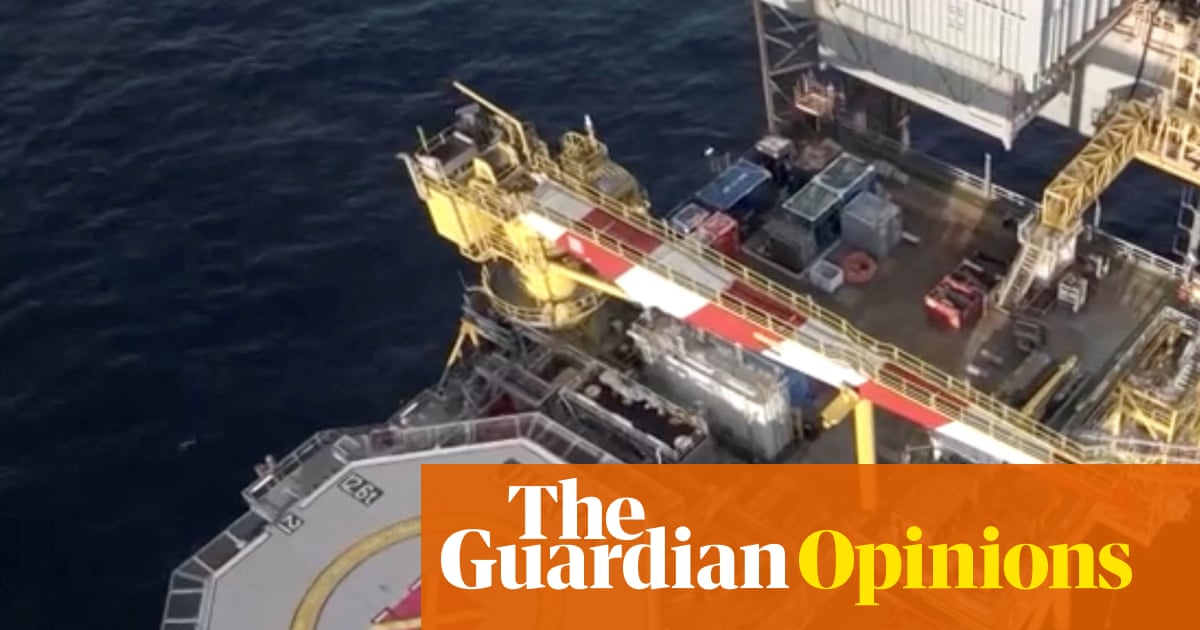
The United Kingdom government has authorized the development of the Jackdaw gasfield, marking a significant shift in national energy strategy as Prime Minister Andy Burnham addresses the complexities of maintaining fuel security during the transition to net-zero emissions. Located approximately 150 miles east of Aberdeen, the project is scheduled to begin production in time for the upcoming winter heating season. This approval reflects a pragmatic approach to an energy landscape where fossil fuels still dominate consumption, even as renewable infrastructure expands.
Data from 2025 indicates that oil and gas accounted for three-quarters of the nation’s total energy usage. Despite progress in generating electricity from domestic renewables, nearly half of all energy consumed last year was imported. This heavy reliance on external sources has raised concerns about supply chain resilience, particularly as global markets face increasing instability. Geopolitical tensions, potential disruptions to key shipping routes like the Strait of Hormuz, and shifting policies in major exporting nations have prompted a move away from just-in-time inventory models toward more cautious scenario planning.
The decision to proceed with Jackdaw is partly driven by the environmental argument that domestic gas production generates fewer carbon emissions than importing liquefied natural gas. Transporting LNG requires cooling fuel to extreme temperatures for shipment and then reheating it upon arrival, a process that adds significant greenhouse gas output. Last year, twenty percent of UK gas imports came via this method, primarily from the United States. Utilizing local reserves allows the country to avoid these additional emissions while keeping fuel within the national grid.
Critics often argue that new fossil fuel projects contradict climate goals, but officials emphasize that credible pathways to net zero by 2050 still require substantial oil and gas usage in the interim. Electrification remains in its early stages, with fewer than two percent of households having adopted heat pumps. Similarly, while electric vehicle sales are rising, petrol and diesel engines still power nearly ninety-five percent of vehicles on the road. Alternatives like hydrogen and biomethane have yet to gain traction for industrial processes requiring high temperatures.
The Jackdaw field is not expected to dramatically lower consumer prices, nor will it transform the energy market. At its peak, it will contribute roughly six percent of North Sea gas production. However, its value lies in enhancing supply security and supporting the national balance of payments through tax revenues and job creation. The project has an estimated lifespan of eleven years, aligning with the period during which the UK is likely to continue relying on gas for heating and power.
This approval may pave the way for other pending projects, such as the Tornado field west of the Shetlands. The government has signaled that it will ask regulators to review urgent cases that could benefit from similar expedited measures. The Rosebank project, located nearby but focused primarily on oil, presents a more complex political challenge due to its higher pollution profile and longer production timeline. Nevertheless, the underlying arguments regarding economic stability and environmental standards remain consistent across these proposals.
Opposition to projects like Rosebank often centers on the claim that the output is exported rather than used domestically. However, the UK oil industry operates within a broader European network. With only four refineries remaining compared to nine at the start of the century, much of the crude produced in the North Sea is processed in facilities such as those in Rotterdam. A significant portion of this refined fuel eventually returns to the UK as petrol, diesel, and jet fuel.
Ultimately, the debate over North Sea development is about determining the sensible level of domestic production required to reach net zero. Current projections suggest that only about one-third of consumption will come from local sources on a net basis. Industry advocates believe boosting production could raise this ratio to approximately fifty percent, provided fossil fuel demand declines rapidly. The government maintains its commitment to the 2050 target, with Energy Secretary Miatta Fahnbulleh insisting that these steps are compatible with long-term climate objectives.
As the UK navigates this transitional period, the focus remains on balancing immediate energy needs with future environmental goals. The approval of Jackdaw serves as a test case for how the government will handle similar decisions in the coming years. It underscores the reality that achieving net zero is not an abrupt switch but a gradual process requiring careful management of existing resources while new technologies mature.
Sources behind this briefing
Go to the original reporting
- The Guardian World↗Jackdaw approval is a step towards a grownup North Sea policy