The short version
- Funding to the world's poorest nations dropped by nearly seven percent, amounting to an £118 million reduction.
- The overall Official Development Assistance budget fell to 0.44% of gross national income, with further cuts planned for major recipients like Yemen and Afghanistan.
- Charity networks report that reduced external support is forcing the closure of critical health and education programs in vulnerable regions.
Recent financial disclosures from the Foreign, Commonwealth and Development Office indicate a significant shift in how British international assistance is allocated. The data shows that the world’s most impoverished nations have borne the brunt of recent budgetary reductions under the leadership of Prime Minister Keir Starmer. While the total Official Development Assistance budget for 2025 decreased by £987 million, falling to 0.44% of gross national income from 0.5% the previous year, the impact has not been evenly distributed across recipient categories.
Specifically, funding directed toward least-developed and low-income countries declined by 6.7%, representing a cut of £118 million. In contrast, assistance to lower-middle-income nations rose by 13%, and support for upper-middle-income countries increased by 2%. This divergence suggests a strategic realignment rather than a uniform reduction in spending. The government has indicated that these savings are part of a broader plan announced last year to redirect resources toward defense expenditures, signaling a prioritization of national security over traditional development goals.
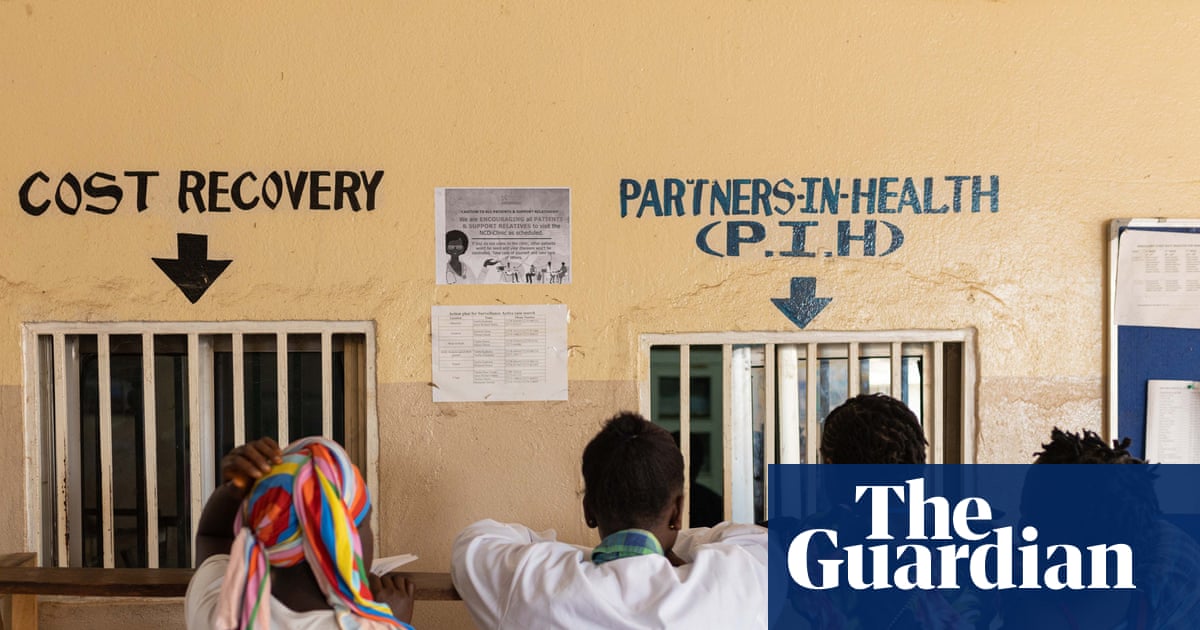
The immediate human impact of these financial adjustments is already being documented by aid organizations on the ground. Gideon Rabinowitz, director of policy and advocacy at the charity network Bond, described the situation as shocking, noting that marginalized communities in climate-vulnerable and conflict-affected areas are paying the highest price for these political decisions. Critical humanitarian programs, including maternal health services in Sierra Leone and educational initiatives for children with disabilities across Africa, have been forced to close due to the lack of funding.
Domestic costs also remain a significant portion of the aid budget. The largest share of spending, 18.4%, was allocated to in-country costs for asylum seekers within the UK itself. Although this represents a decrease from 20% in 2024, it still constitutes the single largest category of expenditure. This high level of domestic spending limits the amount of capital available for international development projects, further constraining the resources that can be sent to foreign partners.
Among the top three recipients of British aid—Ukraine, Yemen, and Afghanistan—the outlook varies significantly. Aid to Ukraine remains protected by ringfencing measures, ensuring its continuity despite broader budget cuts. However, Yemen is projected to see a 28% reduction in support, while Afghanistan faces an even steeper decline of 39% by the 2028/29 fiscal period. These reductions occur against a backdrop of escalating humanitarian crises in both regions, raising concerns about the ability of local populations to withstand further shocks.
The broader context of global aid reduction adds weight to these specific cuts. A recent report by the Active Learning Network for Accountability and Performance (Alnap) highlighted that 64 million fewer people received assistance last year due to funding shortfalls from major donors, including the UK, United States, and European nations. Jennifer Doherty, co-author of the report, noted that these cumulative reductions have created the largest funding gap on record, forcing aid workers to make increasingly difficult choices about which life-saving interventions to prioritize.
Experts warn that the long-term consequences will depend heavily on how crisis-affected governments and local support systems adapt to this reduced external assistance. Where local infrastructure is too weak to absorb the shock of diminished foreign aid, there is a tangible risk that more people will be left without essential services. The shift away from longer-term development projects toward immediate survival needs may exacerbate existing inequalities and hinder progress in fragile states.
In response to these trends, Bond is calling on the new prime minister, Andy Burnham, to reconsider the aid cuts implemented by his predecessor. Rabinowitz emphasized that whatever remains of the UK aid budget should be directed toward areas of greatest need, particularly in fragile and conflict-affected countries where humanitarian requirements are most acute. The debate over the balance between domestic priorities, defense spending, and international moral obligations continues to shape the future of British foreign policy.
As the fiscal year progresses, the full extent of these cuts will become clearer. The redirection of funds toward defense marks a notable departure from previous commitments to global development, reflecting a changing geopolitical landscape. Stakeholders in the humanitarian sector remain vigilant, monitoring how these financial decisions translate into real-world outcomes for some of the most vulnerable populations on Earth.
The situation underscores the complex challenges facing donor nations as they navigate rising domestic pressures and international instability. While the UK government argues that its current strategy aligns with national interests, critics contend that abandoning support for the poorest nations undermines global stability and ethical responsibilities. The coming months will likely see continued scrutiny of how these policies affect both the recipients of aid and the broader goals of international cooperation.
Sources behind this briefing
Go to the original reporting
- The Guardian World↗Poorest countries hit hardest by UK aid cuts under Keir Starmer government, new figures reveal

