The short version
- British aid to Commonwealth nations is set to drop from £546 million to £131 million by 2028-29, with Nigeria absorbing the majority of remaining funds.
- Funding for nature conservation and development in low-income countries like Sierra Leone and Rwanda faces severe reductions despite rising global climate needs.
- Critics argue the financial withdrawals undermine diplomatic efforts at the Chogm summit, where reparations were excluded from the agenda.
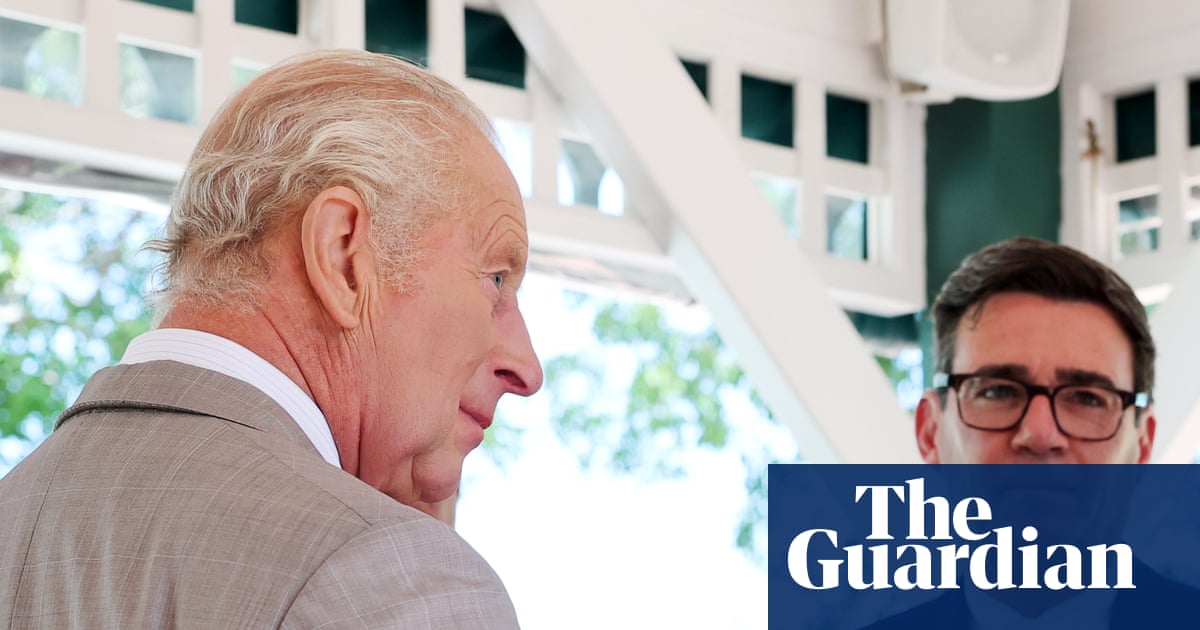
The British government is implementing significant reductions in overseas development assistance directed toward Commonwealth nations, a move that contrasts sharply with the diplomatic warmth displayed by King Charles and Prime Minister Andy Burnham during this week’s heads of government meeting. An analysis of current and projected aid figures reveals a steep decline in financial support for member states, even as global demands for humanitarian and climate assistance reach record levels.
Bilateral aid programs for Commonwealth countries are scheduled to fall from £546 million in the 2024-25 fiscal year to just £131 million by 2028-29. This aggregate figure masks a highly concentrated distribution of resources, with Nigeria designated to receive £68 million of that total. Consequently, only £63 million remains available for all other Commonwealth nations combined, signaling a strategic retreat from broad-based development support.
The cuts extend well beyond rapidly developing middle-income economies such as India and Antigua, which have already seen reduced funding. Many of the hardest-hit recipients remain among the world’s poorest nations or are grappling with substantial debt burdens. Sierra Leone, classified as one of the least developed countries globally, will see its aid slashed from nearly £30 million to just £5 million over the same period.
Similar reductions are planned for Rwanda and Tanzania. Aid to Rwanda, a country previously linked to UK refugee policies, is also set to drop from approximately £30 million to £5 million. Tanzania’s funding will decrease from £60 million in 2025-26 to £5 million by the end of the decade. These figures suggest a systematic withdrawal from long-standing bilateral commitments across multiple regions.
Regional development initiatives are also facing severe contractions. The Caribbean Development Team, which supports infrastructure and economic growth across the region, will see its budget cut from more than £98 million in 2025-26 to £45 million in 2026-27. This reduction occurs while the UK prepares to co-convene climate adaptation talks with Sierra Leone at the upcoming Cop31 summit in Turkey, raising questions about the alignment of financial support with diplomatic priorities.
Environmental funding has been particularly affected by these budgetary changes. Experts note that many Commonwealth countries have not only lost direct aid but have also been excluded from applying for Darwin Initiative funds, a longstanding stream worth approximately £40 million annually dedicated to nature protection. At least 26 Commonwealth nations are now barred from accessing these resources, despite their high levels of biodiversity and vulnerability to climate change.
Advocacy groups have criticized the timing and scale of these cuts. Adrian Gahan of the Campaign for Nature highlighted the irony of the King launching a new Commonwealth nature initiative at the summit while the government made no financial contribution to it. He emphasized that some of the most biodiverse regions, which also face high poverty rates, are losing critical support just as climate impacts intensify.
Jean McLean of Oxfam GB described the situation as a failure to meet global needs during a period of heightened crisis. She argued that the reductions will have tangible negative effects on families facing starvation, children lacking access to healthcare and education, and communities struggling with conflict and climate disasters. The Foreign, Commonwealth and Development Office has been approached for comment regarding these projections.
The financial withdrawals occur against a backdrop of diplomatic maneuvering at the Chogm summit in Antigua. While King Charles acknowledged historical injustices related to slavery, the Burnham government successfully ensured that discussions on reparations remained off the official agenda. The meeting is scheduled to conclude on Wednesday, leaving the long-term implications of these aid cuts to unfold in the coming years.
As the summit wraps up, the disparity between rhetorical commitments and fiscal reality remains a central point of contention. The reduction in aid represents a broader shift in UK foreign policy priorities, moving away from broad developmental support toward more targeted, limited engagements. This transition may reshape the UK’s influence within the Commonwealth as member nations seek alternative sources of funding for development and climate resilience.
Sources behind this briefing
Go to the original reporting
- The Guardian World↗UK makes huge aid cuts to Commonwealth nations despite warm words at Chogm summit


