The short version
- Fourteen UK-based research teams will share £30 million in grants over two years to develop biotechnological tools for wildlife adaptation.
- Projects include editing swallowtail butterfly genes for pesticide resistance and accelerating oak tree reproduction cycles to combat drought and disease.
- The initiative operates under strict ethical guidelines that prohibit releasing experimental organisms into the wild during the program's duration through 2030.
A new wave of conservation science is emerging in the United Kingdom as the Advanced Research and Invention Agency (Aria) announces funding for fourteen high-risk projects designed to help wildlife adapt to rapid environmental changes. The initiative, part of a broader £54 million accelerated adaptation programme, allocates an initial £30 million in grants over the next two years. These funds support research into biotechnological interventions that aim to speed up evolutionary processes in native species facing threats from global warming, invasive pathogens, and human activity.
The selected projects represent a significant shift toward using precision tools in nature conservation, moving beyond traditional methods like protected reserves. Yannick Wurm, director of the accelerated adaptation programme at Aria and a professor of evolutionary genomics at Queen Mary University, London, described the effort as a first exploration into responsibly harnessing biotechnology. He compared the potential impact of these tools to mRNA vaccines for humans, suggesting they could provide environmentalists with new capabilities to help plants and animals overcome challenges that outpace their natural adaptive abilities.
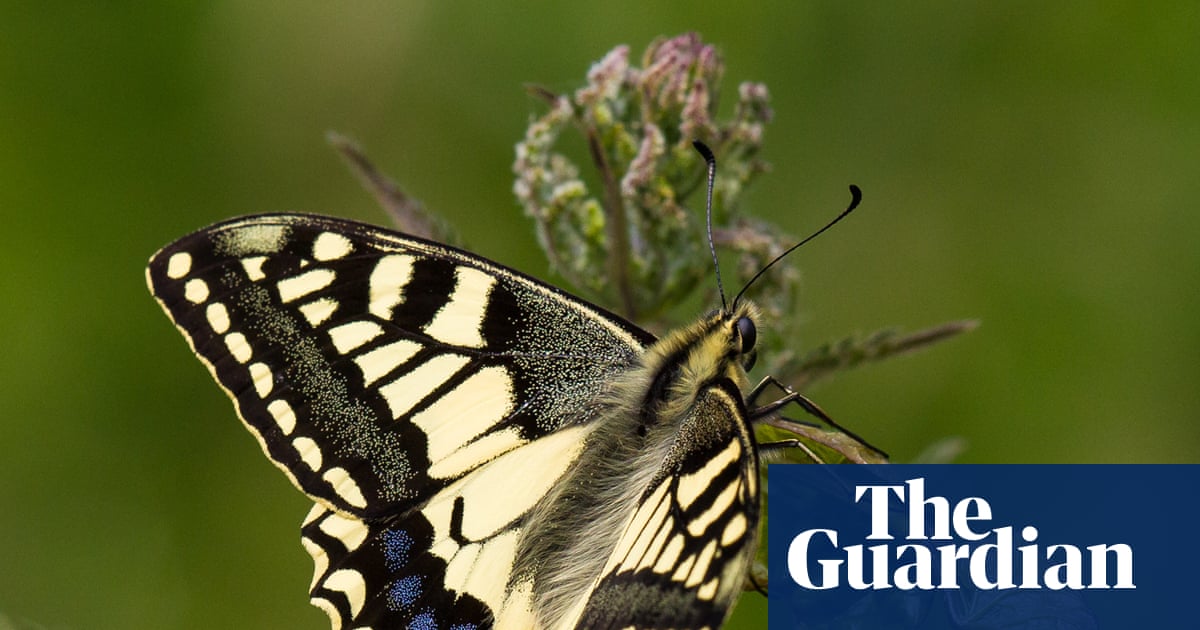
Among the funded initiatives is a project led by researchers at the University of Exeter, which will use Crispr-Cas9 gene-editing technology on the swallowtail butterfly. This species appears on Britain’s red list of endangered organisms, and the research aims to increase its resistance to insecticides commonly used in agriculture. Another key effort involves Rothamsted Research, an agricultural facility in Hertfordshire, which plans to edit the genes of long-lived tree species such as oaks. The goal is to enable these trees to reproduce in months rather than decades, allowing for faster development of adaptive responses to drought conditions and invasive diseases.
Additional projects focus on amphibian conservation, addressing the devastating impact of chytrid fungal infections that have caused population declines in more than 500 species worldwide. A collaboration between Cultivarium, Imperial College, and Queen Mary University proposes genetically engineering bacteria that live on amphibian skin to produce proteins capable of binding to and stopping the infection. Chris Thomas, founding director of the Leverhulme Centre for Anthropocene Biodiversity at the University of York, noted that while he is not involved in the Aria programme, these approaches offer potentially valuable tools against threats like drought and pathogens that currently have few biological countermeasures.
The agency behind this funding has drawn considerable attention and criticism since its inception. Aria was established by Dominic Cummings, former chief adviser to Boris Johnson, with a mandate to support unconventional ideas that could restore Britain’s status as a scientific superpower. However, the publicly funded body has faced scrutiny for its research into controversial geoengineering techniques and for awarding millions in taxpayer money to US tech companies and venture capital firms. Recent governance issues include the resignation of Aria’s chair, Matt Clifford, who stepped down after taking a position with Anthropic, an AI developer, amid allegations of a clear conflict of interest raised by senior members of parliament.
Ethical considerations remain central to the programme’s framework, particularly given global debates over the use of synthetic biology in conservation. At the International Union for Conservation of Nature’s world conservation congress last October, more than ninety non-governmental organizations expressed concerns that such technologies could irreversibly alter natural systems with unpredictable consequences. Although a ban on these practices was narrowly rejected following an open letter from 250 scientists highlighting potential benefits, the IUCN adopted its first global policy on synthetic biology, establishing stringent criteria for proposed solutions.
Aria’s ethical and social responsibility advisory committee, chaired by Marie-Claire Cordonier Segger, a professor of international law at the University of Cambridge, states that the IUCN policy forms a foundation for their own ethical guidelines. To address safety concerns, all experimental solutions developed under this programme will remain contained within secure laboratories. None of the modified organisms or biological agents will be released into the wild during the programme’s operation, which is scheduled to run until 2030. This containment strategy aims to balance innovation with precaution, allowing researchers to test efficacy without immediate ecological risk.
The broader context for these projects is a world where natural environments are changing faster than many species can adapt through natural selection. Human pressures and climate crisis impacts have created urgent needs for new conservation strategies. While traditional methods remain essential, the introduction of biotechnological tools offers a complementary approach that could enhance resilience in vulnerable ecosystems. The success of these early experiments may influence future global policies on synthetic biology and set precedents for how governments fund high-risk scientific endeavors aimed at preserving biodiversity.
As the fourteen teams begin their work, the focus will be on developing proof-of-concept technologies rather than immediate deployment. The programme seeks to demonstrate that biotechnology can be used responsibly to support wild species without compromising ecological integrity. Critics and supporters alike acknowledge the uncertainty surrounding long-term effects, but the structured approach of keeping experiments contained provides a controlled environment for assessment. The outcomes of these projects could redefine conservation practices, offering new avenues for protecting native wildlife against escalating environmental threats.
The initiative reflects a growing recognition that conventional conservation measures alone may be insufficient to address the scale and speed of current biodiversity loss. By investing in high-risk, high-reward research, Aria aims to expand the toolkit available to scientists and policymakers. The emphasis on ethical oversight and containment suggests an attempt to navigate the complex landscape of public opinion and scientific responsibility. As the programme progresses, its findings will likely contribute to ongoing international discussions about the role of synthetic biology in preserving Earth’s natural heritage.
Sources behind this briefing
Go to the original reporting
- The Guardian US↗Vaccines for ash trees and gene-edited butterflies among UK projects to get £30m funding

