The short version
- The succession committee of the Tooro kingdom has appointed Prince Edward Rukidi Kijanangoma, a television news anchor, as the new monarch following the death of King Oyo Nyimba Kabamba Iguru Rukidi IV.
- Royal family members reject this selection, citing a will that names an undisclosed biological son as the heir, creating a conflict between clan traditions and documented wishes.
- The dispute highlights tensions within Uganda’s restored traditional kingdoms, which hold significant cultural influence but lack formal political power under current national laws.
A bitter succession crisis has erupted in the Tooro kingdom of western Uganda following the death of its monarch, King Oyo Nyimba Kabamba Iguru Rukidi IV. The dispute centers on conflicting claims regarding who holds the legitimate right to the throne: a cousin selected by a royal clan committee or a previously unknown son named in the late king’s will. This conflict has divided the royal family and raised questions about the interpretation of traditional customs versus legal documentation within Uganda’s recognized traditional kingdoms.
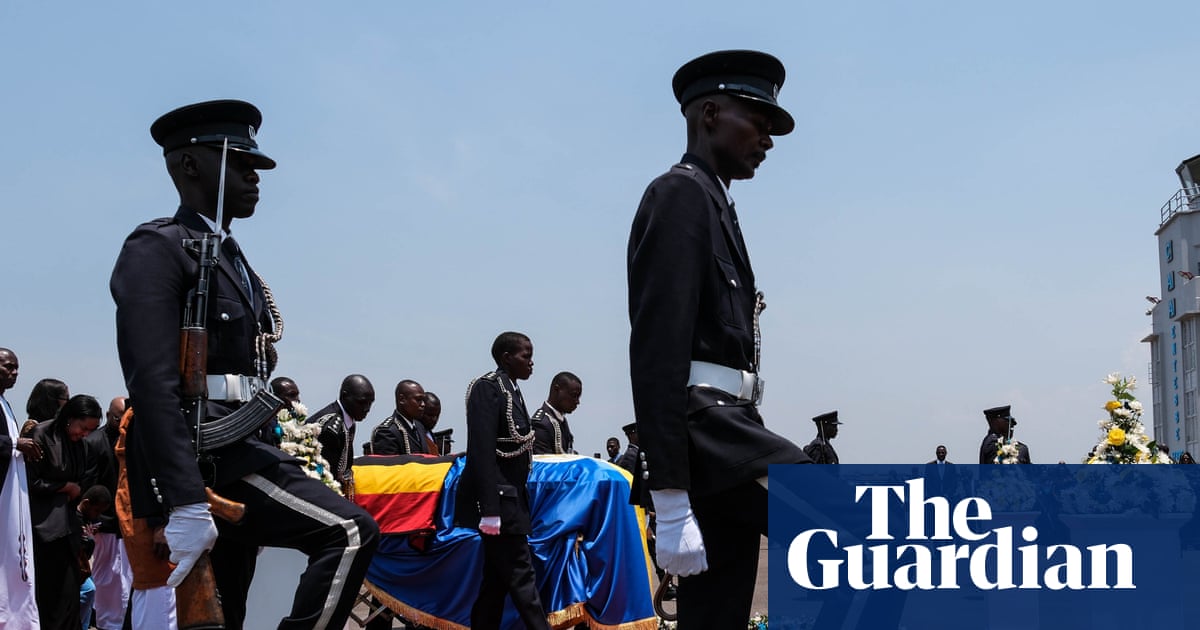
King Oyo, who ascended to the throne in 1995 at the age of three, making him the world’s youngest reigning monarch at the time, died on August 27 while receiving cancer treatment in the United States. His death triggered immediate procedures for succession, but the process quickly fractured. On Wednesday, a committee appointed by the royal clan announced that Prince Edward Rukidi Kijanangoma, a grandson of former King George David Rukidi III and a prominent news anchor at the public broadcaster UBC, had been chosen as crown prince.
However, this decision was immediately contested by members of the late king’s immediate family. Princess Ruth Nsemere Komuntale, Oyo’s sister, held a press conference later that same day to announce that her brother’s will designated a son as his successor. The existence of this child had not been publicly acknowledged until after the king’s death. A spokesperson for the kingdom released an excerpt from the will stating that if the king was survived by a lawfully recognized biological son, that individual would be appointed heir.
Queen Mother Best Kemigisa Akiiki, Oyo’s mother, issued a statement denouncing the committee’s actions. She characterized the group that selected Prince Edward as self-appointed and criticized them for bypassing the will, which had been read to clan members hours before their decision. The queen mother’s intervention underscores the deep familial rift that has emerged, with close relatives asserting that the documented wishes of the deceased monarch should take precedence over the committee’s selection.
The legitimacy of the secret son’s claim is being challenged on procedural and traditional grounds. Andrew Mwenda, a journalist and relative of the royal family, noted that the family had not produced photographic evidence of the boy or provided details about his mother’s lineage. In Tooro tradition, a king’s son can only succeed him if born to a queen officially married to the monarch. Since King Oyo was unmarried and not known to have children, critics argue that the son does not meet the customary requirements for succession.
A member of the succession committee told local media that any royal child must be formally introduced to elders to be considered for leadership. This requirement suggests that even if the will is valid, the son’s lack of prior recognition within the clan structure may disqualify him under traditional protocols. The tension between written legal instruments and oral or customary law remains a central point of contention in this dispute.
Calvin Armstrong Rwomiire Akiiki, the prime minister of the Tooro kingdom, has called for restraint and a calm examination of all claims. He emphasized that the process must consider customs, applicable laws, and proper institutions before any final determination is made. The prime minister warned against competing announcements or attempts to establish facts on the ground while arrangements for the king’s burial are still underway. King Oyo is scheduled to be buried at the Karambi royal tombs in Fort Portal.
The Tooro kingdom is one of five traditional monarchies recognized by the Ugandan government, which restored them in 1993 after they were abolished in 1967 by then-President Milton Obote. While these kingdoms lack formal sovereignty and their leaders are barred from partisan politics, they wield significant social influence as symbols of tradition. This succession dispute mirrors similar conflicts in other African royal families, such as the prolonged coronation delay faced by the Zulu king in South Africa, highlighting the enduring complexity of balancing modern legal frameworks with ancient cultural practices.
As the kingdom prepares for burial rites, the uncertainty surrounding the throne’s future remains unresolved. The coming weeks will likely involve further deliberations among clan elders, legal experts, and royal family members to determine whether the will or traditional committee selection will prevail. The outcome could set a precedent for how succession disputes are handled in Uganda’s other traditional kingdoms, where similar tensions between documented wishes and customary law may arise.
The situation illustrates the fragile nature of authority in post-colonial African states where traditional institutions coexist with modern governance structures. While the Ugandan government does not intervene directly in royal succession matters, the social stability of regions like Tooro depends on the legitimacy perceived by the local population. Until a consensus is reached, the kingdom remains in a state of limbo, with two competing claimants and no clear path to resolution.
Sources behind this briefing
Go to the original reporting
- The Guardian World↗TV presenter v secret son: the succession dispute engulfing a Ugandan kingdom

