The short version
- The United States has initiated new airstrikes against Islamic Revolutionary Guard Corps targets in Iran, citing recent attempts to mine the Strait of Hormuz and attacks on American personnel.
- President Trump issued severe warnings regarding potential Iranian retaliation, suggesting future strikes could be significantly more destructive, while Iranian officials vowed to maintain their blockade of Gulf oil exports.
- The escalation undermines hopes that a previous memorandum of understanding would stabilize the region, as both sides appear unwilling to de-escalate despite the risk of wider war.
The United States military has commenced a new round of airstrikes against targets within Iran, marking a significant escalation in hostilities that had appeared to pause briefly. U.S. Central Command announced on Tuesday that forces began striking Islamic Revolutionary Guard Corps positions at noon Eastern Time. The operation is described as a direct response to recent Iranian attempts to lay mines in the Strait of Hormuz and to launch attacks against American service members stationed in the region.
This military action effectively dispels earlier optimism that the exchange of fire over the previous weekend might not lead to a broader renewal of war. For several months, the conflict had shifted toward an economic standoff involving sanctions and blockades. However, the resumption of kinetic strikes signals a return to direct military confrontation. Reports indicate explosions on Qeshm Island, as well as in the port cities of Bandar Abbas and Chabahar, suggesting a wide geographic scope for the American campaign.
President Donald Trump took to social media to justify the strikes, framing them as retaliation for Iran’s failed mining efforts and its missile launches against U.S. bases in Jordan. While he acknowledged that the previous weekend’s attacks did not necessarily signal a return to full-scale war during a press briefing, his subsequent online posts contained stark warnings. He threatened that any Iranian counterattack would be met with force at a much higher level, ominously suggesting that future strikes could leave very little of the Islamic Republic intact.
These threats echo previous statements by the president that have drawn criticism for potentially violating international law. Past rhetoric has included promises to destroy critical civilian infrastructure such as power plants and bridges, as well as references to bombing Iran back to the Stone Ages. The current language raises concerns among observers about the potential for disproportionate force and the risk of targeting non-military assets in a prolonged conflict.
Iranian leadership has responded with defiance rather than de-escalation. President Masoud Pezeshkian stated that Tehran would reciprocate immediately if Washington honored its commitments under a June memorandum of understanding intended to halt fighting. However, other Iranian officials have shown no sign of bowing to pressure. Parliament Speaker Mohammad Baqer Qalibaf warned that Iran would prevent oil exports from the Persian Gulf if the United States intensified its siege, effectively closing the vital waterway to global shipping.
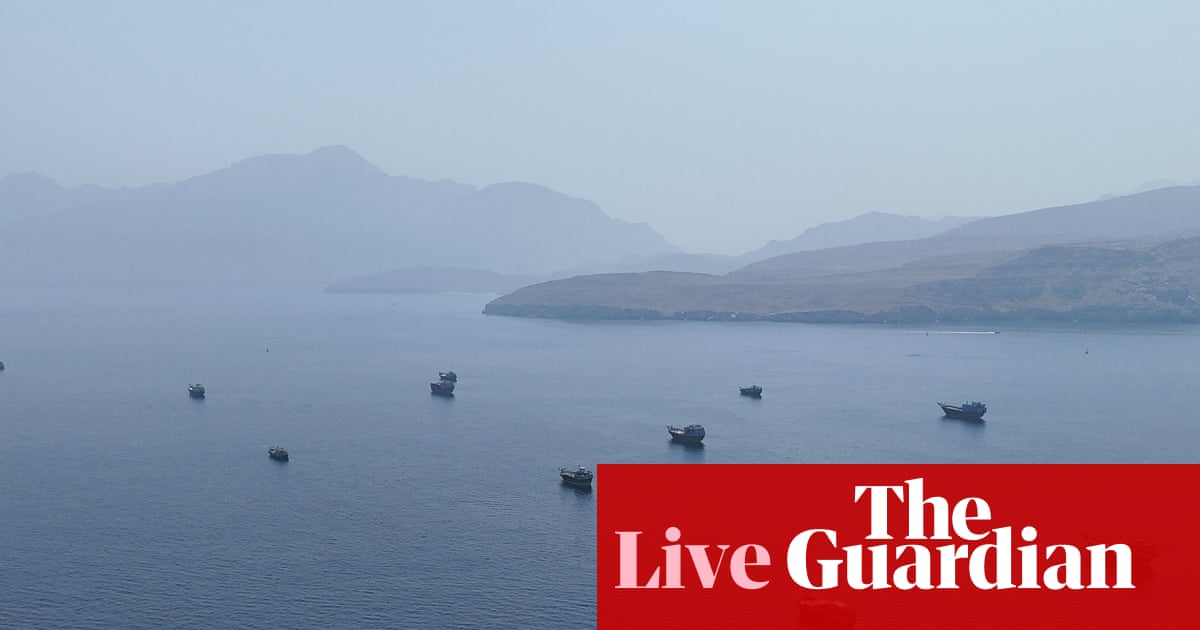
The Strait of Hormuz remains a critical flashpoint. Iran has already effectively closed the passage to commercial shipping, leading to reports of tankers being hit as they attempted to leave the region. This disruption has caused oil prices to rise sharply, reflecting market anxiety over supply chain stability. The United Arab Emirates also reported intercepting an Iranian drone over its territorial waters, describing the incident as a dangerous escalation that threatens regional security beyond the immediate Iran-U.S. conflict.
Diplomatic efforts appear to have stalled. The June memorandum had declared an end to fighting that killed thousands in Iran and Lebanon since strikes began in February. It deferred difficult issues to a 60-day negotiation period, which has now passed without further agreement. Iranian Foreign Ministry spokesperson Esmaeil Baghaei criticized Washington for making excessive demands and mistaking negotiations for dictating terms, suggesting that diplomatic channels are currently ineffective.
The situation remains volatile with both sides pledging to respond to further attacks. The conflict, which had increasingly been fought through economic pressure, is spilling back into military action. With the U.S. Treasury Secretary warning of new sanctions and Iranian officials vowing to use all capabilities on the battlefield, the risk of a wider regional war has increased significantly. The international community watches closely as the window for de-escalation narrows.
Uncertainty persists regarding the long-term objectives of both nations. While the U.S. aims to protect its personnel and secure shipping lanes, Iran seeks to assert its sovereignty and deter further American intervention. The lack of clear communication channels and the reliance on social media for official statements add to the unpredictability of the situation. As strikes continue, the potential for miscalculation or unintended escalation remains high.
Future developments will likely depend on whether either side perceives the current actions as sufficient to achieve their goals or if further retaliation is deemed necessary. The global economic impact of a prolonged closure of the Strait of Hormuz could be severe, affecting energy markets worldwide. For now, the focus remains on the immediate military exchanges and the potential for these strikes to trigger a broader conflict involving other regional actors.
Sources behind this briefing
Go to the original reporting
- The Guardian US↗Middle East crisis live: US military says it’s striking targets in Iran as hostilities flare
- The Guardian US Politics↗US launches new airstrikes on Iranian targets as hostilities flare
- PBS NewsHour↗U.S. military says it's hitting new targets in Iran again

