The short version
- The United States has suspended on-site avocado inspections in Michoacan due to unspecified threats against personnel, effectively halting exports from the region that supplies over eighty percent of U.S. consumption.
- Mexican President Claudia Sheinbaum has deployed additional troops to the area to restore security and resume operations, aiming to prevent economic damage to both nations.
- The incident underscores the persistent influence of criminal organizations in the avocado industry, which rely on extortion payments that cease when exports are paused.
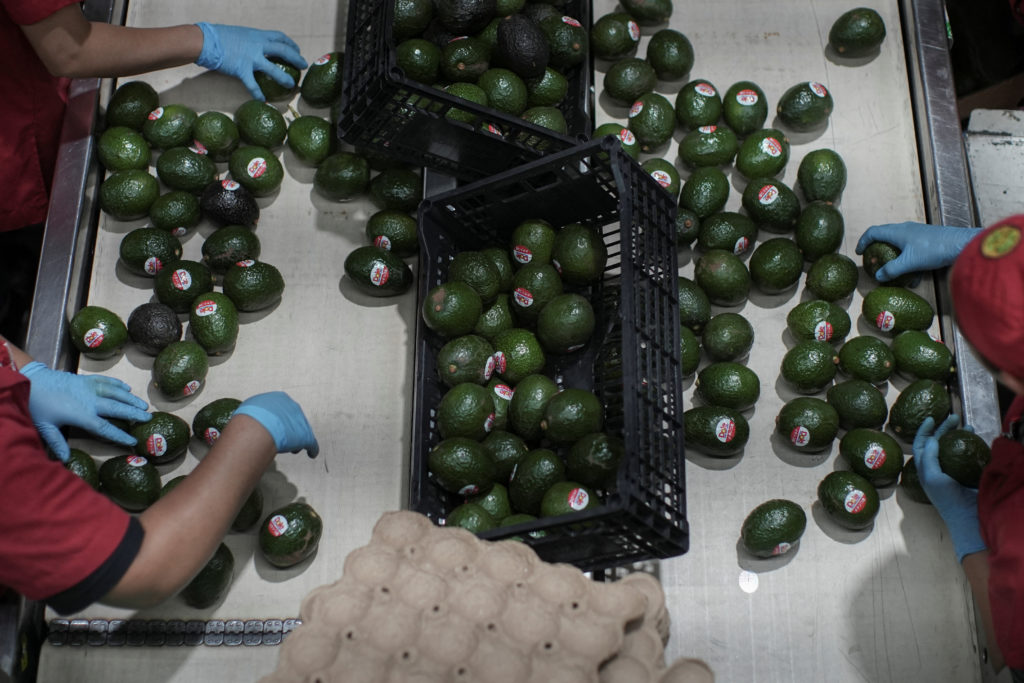
The United States has suspended critical agricultural inspections in Mexico’s Michoacan state, a move that immediately halts the export of avocados from the region to American markets. The decision was announced by U.S. authorities on Wednesday, citing non-specific threats to the safety of government personnel involved in verifying fruit quality and preventing pest entry. This suspension marks another disruption in a vital trade corridor, as Michoacan is responsible for the vast majority of avocados consumed in the United States.
In response to the halt, Mexican President Claudia Sheinbaum announced the deployment of approximately 1,500 additional troops to western Mexico on Thursday. The security escalation aims to protect inspection sites and facilitate the rapid resumption of exports. Sheinbaum emphasized the need to prevent serious economic repercussions for both Mexico and the United States, acknowledging the interdependence of the two nations’ agricultural markets. The swift military response reflects a pattern in which Mexican authorities offer enhanced protection when U.S. operations are paused due to safety concerns.
The financial stakes are significant. In 2025 alone, avocado exports from Mexico generated $3.7 billion in sales for the country. More than eighty percent of avocados consumed in the United States originate from its southern neighbor, with Michoacan being the primary source. Only one other Mexican state, Jalisco, is authorized by the U.S. Department of Agriculture to export avocados, and its production volume is substantially smaller. Consequently, a prolonged suspension could lead to noticeable shortages and price increases for American consumers who have seen avocado consumption soar in recent decades.
This is not the first time such disruptions have occurred. A similar pause took place in early 2022 on the eve of the Super Bowl, lasting about a week. That incident did not impact game-day consumption because sufficient supplies had already been shipped. However, previous suspensions have often been triggered by direct violence against U.S. inspectors. In 2024, two USDA employees were assaulted and temporarily detained by assailants in Michoacan. The current suspension differs in that no specific violent incident was reported; instead, officials described the measure as preventive, linked to recent arrests related to extortion cases.
The underlying driver of these disruptions is the pervasive influence of criminal organizations in Michoacan. Numerous cartels operate in the region, engaging in drug trafficking, violence, and extortion across multiple industries, including agriculture. Avocado producers are frequently forced to pay protection money to these groups. One anonymous producer from Michoacan revealed that he pays one peso per kilo exported in extortion fees. Given his daily export volume of roughly 90 metric tons, this amounts to more than $5,000 in daily payments. When exports stop, these illicit revenue streams are cut off, creating a perverse incentive for cartels to either disrupt or protect trade depending on their immediate interests.
The California Avocado Commission has weighed in on the situation, calling for stricter monitoring of fruit entering the United States. Ken Melban, the commission’s president, stated that the administration is justified in protecting American personnel and confronting cartel activities. He argued that criminal groups should not be allowed to exploit trade agreements to undercut domestic growers or destabilize production. The commission also highlighted concerns about pest control, noting that a pest was recently reported at a packing house in Mexico, further complicating the regulatory landscape.
Analysts suggest that these recurring issues may have influenced broader policy decisions. David Saucedo, a Mexican analyst, believes that problems with avocado exports contributed to the Trump administration’s designation of four cartels operating in Michoacan as terrorist organizations. This classification reflects a shift toward viewing agricultural security through the lens of national security and counter-terrorism efforts. The intersection of trade policy and cartel enforcement remains a contentious and evolving area of U.S.-Mexico relations.
Historically, these export pauses are resolved within days because the economic costs are shared by all parties, including the cartels themselves. While Mexican authorities have previously suggested that they could conduct inspections independently, the USDA has maintained control over verification processes, albeit with Mexican security forces providing accompaniment. Producers note that even when operations resume quickly, the threat of extortion does not disappear. The cycle of suspension, security deployment, and resumption continues to define the precarious nature of this lucrative but dangerous trade.
As the situation develops, attention will focus on how long the inspections remain suspended and whether the additional troop presence effectively deters further threats. If the pause extends beyond a few days, consumers in the United States may begin to feel the impact through higher prices or limited availability. For now, both governments are working to balance the need for personnel safety with the economic realities of a supply chain that supports hundreds of thousands of jobs in Michoacan and satisfies a significant portion of American demand.
Sources behind this briefing
Go to the original reporting
- PBS NewsHour↗Why Mexican avocado exports to the U.S. have once again been stopped

