The short version
- Two helicopter pilots employed by Precision Aerospace died when their aircraft crashed while conducting water drops on the Dome fire in Yosemite National Park.
- The crash occurred southeast of Ostrander Lake, prompting investigations by the Federal Aviation Administration and the National Transportation Safety Board into the circumstances.
- This incident contributes to a rising death toll for wildfire responders in the United States this year, marking the highest number since 2022 amid reported staffing shortages.
Two helicopter pilots lost their lives on Sunday afternoon while assisting with suppression efforts for the Dome fire within Yosemite National Park. The aircraft crashed around 3 p.m. local time after conducting water drops over the blaze, which has consumed more than 3,000 acres since igniting earlier in the week. Federal aviation officials confirmed the timing and location of the incident, noting that the helicopter was operating in support of wildland firefighting crews specialized in helitack rappelling techniques to access difficult terrain.
The deceased pilots were employees of Precision Aerospace, a company that provides aerial support for emergency response operations. A spokesperson for the Federal Complex Incident Management Team identified the crash site as being southeast of Ostrander Lake, a location roughly nine miles south of El Capitan and approximately seven miles northeast of Wawona. Details regarding the specific mechanical or environmental factors leading to the crash have not been released, as the Federal Aviation Administration and the National Transportation Safety Board have launched formal investigations into the event.
Precision Aerospace issued a statement expressing profound grief over the loss of two team members, requesting privacy for their families during this difficult time. The company described the pilots as beloved colleagues and noted the devastation felt by the entire organization. Names of the individuals involved were withheld pending notification of next of kin, consistent with standard protocol in such tragedies. The incident underscores the inherent risks faced by aerial crews who operate in hazardous conditions to combat rapidly spreading wildfires.
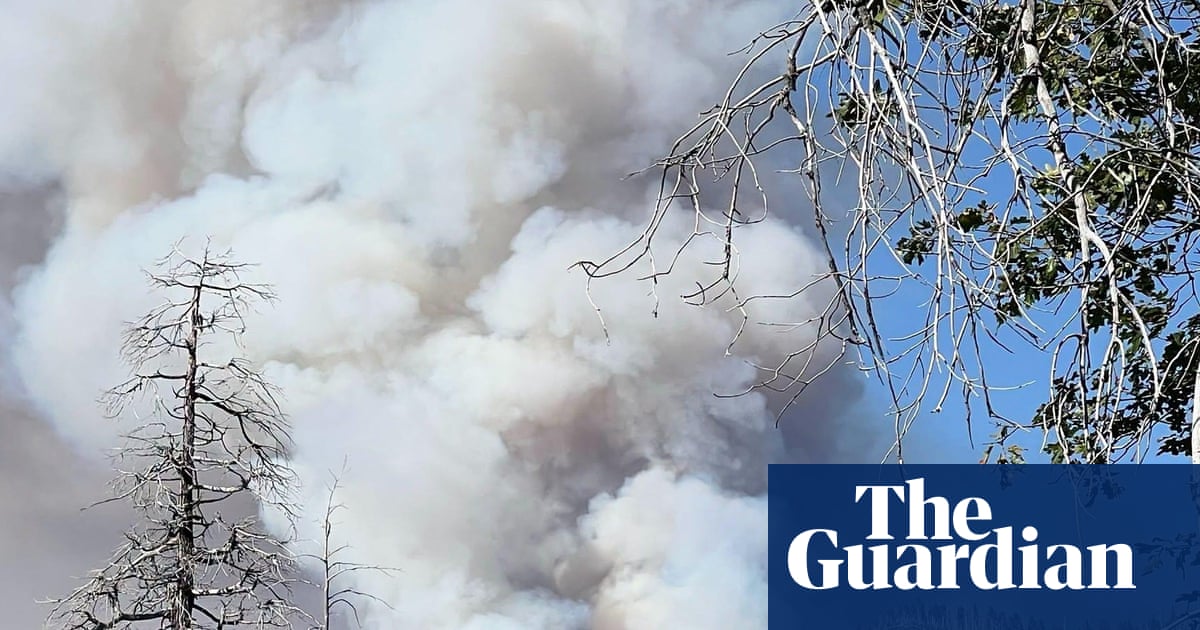
The Dome fire began on September 15 near Wawona, California, and has since burned approximately 4.7 square miles of rugged landscape. As of the latest reports, containment stands at roughly 15 percent, with nearly 580 personnel deployed to manage the blaze. Water-dropping helicopters have played a critical role in these efforts, given the challenging topography that limits ground access. The crash site’s proximity to key landmarks within the park highlights the extensive area affected by the fire and the logistical complexity of the response.
This tragedy occurs against a backdrop of increasing fatalities among wildfire responders across the United States this year. Government data indicates that at least 14 people have died while assisting with wildfires in 2026, marking the highest annual toll since 2022, when 25 deaths were recorded. The previous year’s high included three firefighters who perished during the Knowles fire in Colorado, with an additional crew member succumbing to injuries weeks later. That incident was noted as the most deadly entrapment in over a decade, reflecting the severe dangers inherent in modern wildfire suppression.
Industry observers and officials have pointed to heightened pressures on firefighting forces this year, citing critical shortages of federal personnel. The Trump administration has been reported to be increasing demands on these resources, potentially exacerbating risks for crews operating under strained conditions. While the direct causal link between administrative policies and specific accidents remains unproven, the broader context suggests a system under significant stress. The combination of intense fire behavior, limited staffing, and demanding operational requirements creates a volatile environment for responders.
The investigation into the Yosemite crash will likely examine flight records, weather conditions, and equipment performance to determine the cause. Until findings are released, speculation about the exact sequence of events remains unwarranted. Meanwhile, firefighting operations continue around the clock, with crews working to prevent further spread of the Dome fire. The loss of these two pilots serves as a stark reminder of the human cost associated with wildland fire management in an era of increasingly severe weather patterns and resource constraints.
As the response to the Dome fire progresses, attention will remain on both containment efforts and the safety of personnel involved. The National Interagency Fire Center continues to monitor the situation, coordinating resources from multiple agencies to address the threat. The community within Yosemite and beyond mourns the loss of the pilots, whose work was essential in protecting lives and property. Future reports may provide additional clarity on how such incidents can be prevented while maintaining effective wildfire suppression capabilities.
The broader implications of this year’s rising death toll extend beyond individual tragedies, pointing to systemic challenges in emergency management. With federal firefighter shortages reported and administrative pressures mounting, the sustainability of current response strategies is under scrutiny. The coming months will likely see increased focus on resource allocation and safety protocols as agencies seek to balance operational effectiveness with personnel protection. The outcome of the ongoing investigations may inform future practices for aerial firefighting operations.
In the immediate aftermath, families and colleagues of the deceased are left to cope with sudden loss. The request for privacy from Precision Aerospace reflects the personal nature of this grief, which extends beyond professional circles. As the Dome fire continues to burn, the memory of these pilots will remain intertwined with the ongoing struggle against wildfire in one of America’s most iconic natural spaces. The incident stands as a somber milestone in a year already marked by significant losses among those who risk their lives to protect others.
Sources behind this briefing
Go to the original reporting
- The Guardian US↗Two helicopter pilots killed while battling Yosemite fires

