The short version
- Fatemeh Pasandideh and Atefeh Ramezanisadeh were formally granted Australian citizenship after seeking protection from Iranian authorities.
- The pair remained in Australia while five other teammates who initially sought asylum changed their minds and returned to Iran.
- The incident highlights ongoing tensions regarding women's rights and political expression within Iranian sports delegations.
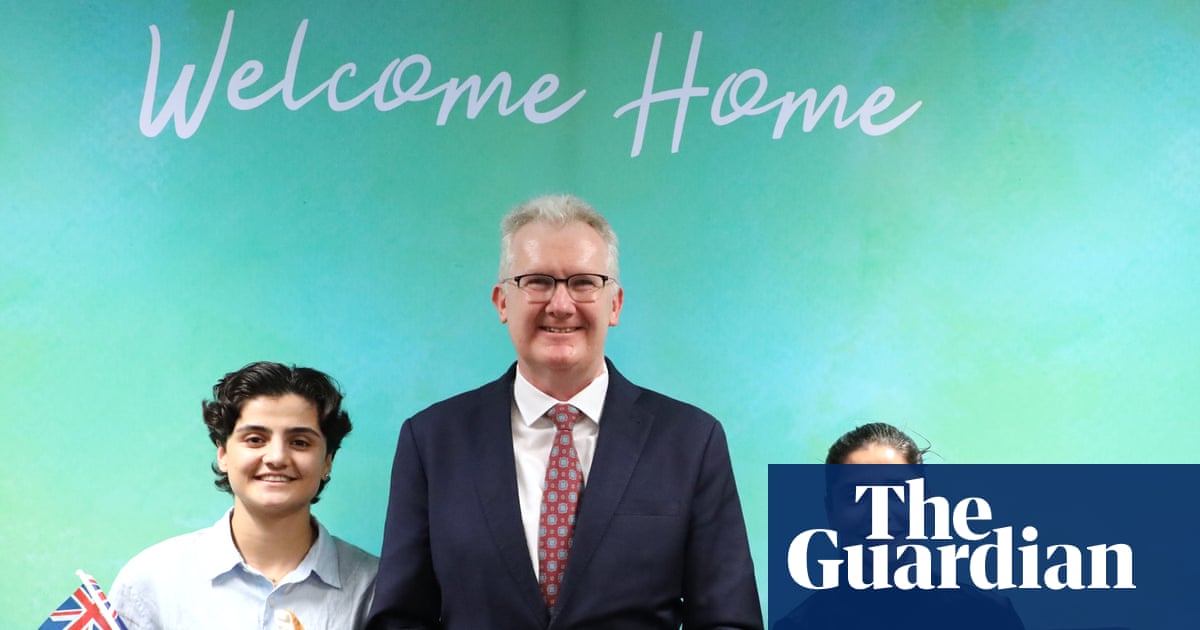
Two former members of the Iranian women’s national football team have officially become Australian citizens, marking a significant resolution to a diplomatic controversy that unfolded earlier this year. Fatemeh Pasandideh and Atefeh Ramezanisadeh were naturalized during a ceremony on Wednesday, an event overseen by Tony Burke, Australia’s minister for home affairs. The decision follows their request for protection after they refused to participate in singing the Iranian national anthem before a match at the women’s Asian Cup in March.
The protest occurred during a high-profile tournament and involved seven players from Iran’s delegation who collectively asked for asylum in Australia. Their actions were intended as a statement against restrictions placed on women in their home country, but they triggered a severe backlash from Iranian officials. The athletes were condemned as traitors by authorities in Tehran for their refusal to sing the anthem, a stance that embarrassed government leaders and drew international attention.
While the initial group sought refuge together, the situation diverged shortly after the tournament concluded. Five of the seven players who had requested protection changed their minds and decided to return to Iran. The circumstances surrounding their decision remain somewhat opaque, but their departure left Pasandideh and Ramezanisadeh as the only two from that specific group to remain in Australia seeking permanent status.
The remaining pair expressed profound relief and gratitude upon receiving their citizenship. Ramezanisadeh described the day as special and unforgettable, noting her pride in becoming an Australian citizen after enduring significant challenges. Pasandideh echoed these sentiments, stating that the moment held meaning beyond words given the difficulties they had faced since February. Their emotional responses underscore the personal stakes involved in seeking asylum amid political persecution.
Support for the athletes extended beyond government officials to include local sports organizations. Brisbane Roar, an Australian club where the women were pictured training and smiling a week after seeking asylum, publicly congratulated them on their new status. A spokesperson for the club remarked that the experiences of Pasandideh and Ramezanisadeh since February exceeded what most people endure in a lifetime. The organization expressed gladness at having played a small part in their journey.
The Brisbane Roar representative emphasized that Queensland is now considered home for the two athletes. They extended an open invitation for the women to return for training sessions whenever they wish, keeping the door open for future involvement with the club. This gesture reflects a broader community effort to integrate and support individuals fleeing political turmoil through sports networks.
The international reaction to the initial protest was mixed but notable. While Iranian leaders viewed the asylum requests as an embarrassment, the move was lauded by US President Donald Trump. This divergence in global response highlights the complex geopolitical dimensions of sports-related human rights issues. The incident has become a focal point for discussions about athlete safety and political expression in international competitions.
Despite the resolution for Pasandideh and Ramezanisadeh, the status of their teammates who returned to Iran remains unclear. There is limited information regarding how those five players are faring or whether they face repercussions for their initial request for protection. The uncertainty surrounding their fate adds a layer of concern to the broader narrative of women’s rights in Iranian sports.
The case of these two footballers illustrates the intersection of athletics, human rights, and international diplomacy. Their journey from protest to citizenship demonstrates both the risks faced by athletes speaking out against government policies and the potential for host nations to provide sanctuary. As they settle into their new lives in Australia, their story continues to resonate as a symbol of resilience.
Looking ahead, the implications of this event may influence how future international tournaments handle similar disputes. The precedent set by Australia’s granting of citizenship could encourage other nations to consider protective measures for athletes facing political persecution. Meanwhile, the ongoing situation in Iran regarding women’s participation in sports remains a critical area of observation for human rights advocates worldwide.
Sources behind this briefing
Go to the original reporting
- The Guardian World↗Two Iranian female footballers granted Australian citizenship after protest

