The short version
- Philippe Jaenada’s Prix Goncourt-winning novel and Luc Corlouër’s documentary work both focus on the 1949 murder of Louise Cansot.
- The authors reached an agreement to share research, allowing Jaenada to access decades of archival material collected by Corlouër.
- Both writers aim to correct historical records that dismissed Cansot as morally suspect due to her profession and unmarried status.
Two new books have brought fresh attention to the unsolved murder of Louise Cansot, a Parisian artist’s model whose death in 1949 was largely ignored by authorities at the time. The publications represent an unusual collaboration between Philippe Jaenada, winner of France’s prestigious Prix Goncourt literary prize, and Luc Corlouër, a writer from Cansot’s hometown who spent decades researching her life. Their joint effort seeks to rehabilitate the reputation of a woman whose case was closed quickly by police who dismissed her as morally loose.
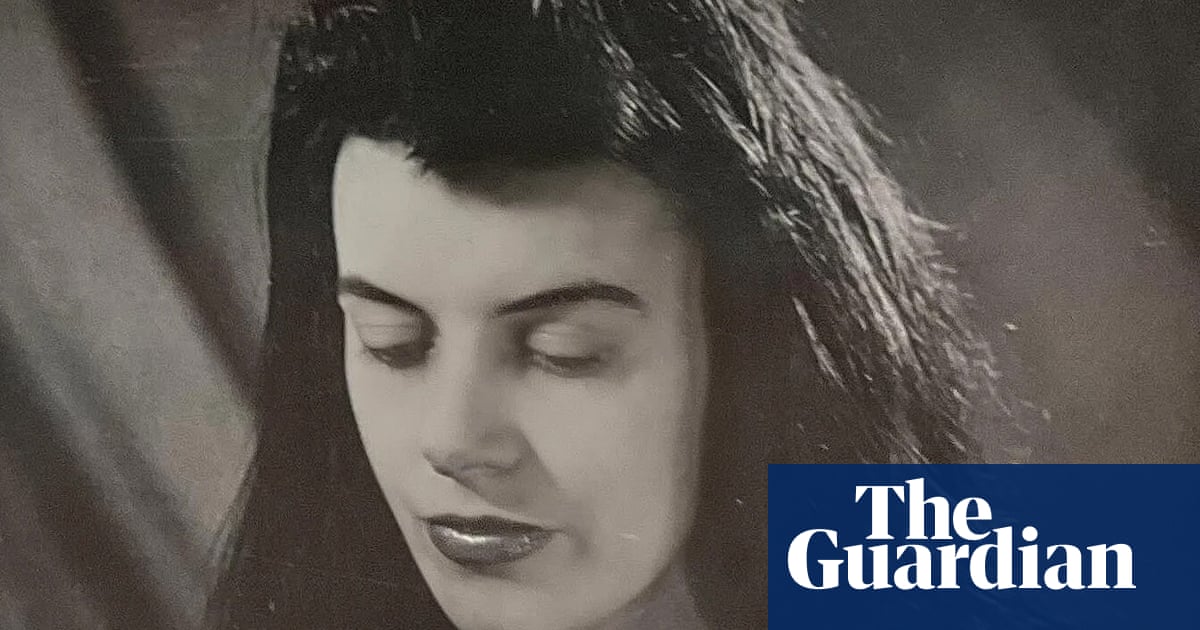
Cansot, known professionally as Lise, was born in Tréguier in north-western France in 1921. She moved to Paris at age sixteen, where her striking appearance made her a sought-after subject for painters in the Montparnasse district. When World War II disrupted the art scene and many artists fled south, Cansot remained in the capital, working various jobs including film extra, waiter, and dancer at the Folies Bergère to support herself and her young daughter, Nathalie.
Her life ended abruptly on September 7, 1949, when her body was discovered near the Seine River on the Quai de Javel. Police investigations were brief and superficial. Detectives identified four potential suspects but made little effort to pursue them thoroughly. The official police report characterized Cansot as a woman of ill repute, suggesting she was a sex worker or addict. This judgment led investigators to conclude that her death was not worthy of extensive resources.
Luc Corlouër began researching Cansot’s story in 1981 after learning about her murder from an elderly resident of Tréguier. He spent years gathering maps, photographs, letters, and newspaper clippings related to the case. His initial attempt to publish a novel based on these findings failed repeatedly with publishers. Recognizing the limitations of his own approach, Corlouër decided to share his extensive archive with Philippe Jaenada, believing the established novelist could better bring the story to a wide audience.
Jaenada discovered the case while reviewing old newspapers at the French National Library. He contacted Corlouër, who agreed to provide his research materials under the condition that both men would publish their respective works simultaneously. This arrangement allowed Jaenada to write L’Inconnue du Quai de Javel, a fictionalized account that won the Prix Goncourt, while Corlouër published La Tragédie du plus beau modèle de Paris, a non-fiction work based on documentary evidence.
Jaenada’s novel offers a sympathetic portrayal of Cansot, countering the derogatory descriptions found in historical records. He suggests a specific suspect, a man who allegedly invited Cansot to view an apartment she hoped to rent before strangling her. To understand the investigative landscape of 1940s Paris, Jaenada read seventy-four of Georges Simenon’s Inspector Maigret novels, using them as context for how police operated during that era.
Corlouër argues that Cansot was a modern woman ahead of her time, intelligent and independent in her choices. He contends that the police and media of the 1940s viewed her lifestyle with suspicion because she posed for artists, worked in entertainment venues, and had a child out of wedlock. These factors led to a narrative that blamed the victim rather than seeking justice.
The simultaneous release of both books on August 19 marks a significant moment in literary solidarity. Corlouër stated that he felt no resentment toward Jaenada’s success, acknowledging that the novelist had the skill to create a compelling narrative from the raw data. Together, their works challenge the historical slander that surrounded Cansot for nearly eight decades.
The case remains officially unsolved, but the renewed interest has prompted a reevaluation of how gender and social status influenced police investigations in mid-twentieth-century France. By highlighting the biases present in the original inquiry, these authors provide a more nuanced understanding of Cansot’s life and death. Their work serves as a reminder of the stories lost to prejudice and the importance of revisiting historical injustices.
As readers engage with both the fictional and factual accounts, the legacy of Louise Cansot shifts from that of a forgotten victim to a symbol of resilience against systemic neglect. The collaboration between Corlouër and Jaenada demonstrates how different forms of writing can complement each other in uncovering truth. Their shared goal is not just to solve a crime, but to restore dignity to a woman whose life was cut short and whose memory was distorted by the prejudices of her time.
Sources behind this briefing
Go to the original reporting
- The Guardian World↗How the story of ‘the girl of 100 portraits’ inspired two books


