The short version
- Turkmenistan has repaired eight major methane leaks after being identified as having the worst super-emitting sources globally.
- UN satellite data prompted the government to engage with international partners, reversing previous inaction on aging infrastructure.
- While progress is noted, experts warn that many more leaks remain unaddressed and other nations continue to ignore alerts.
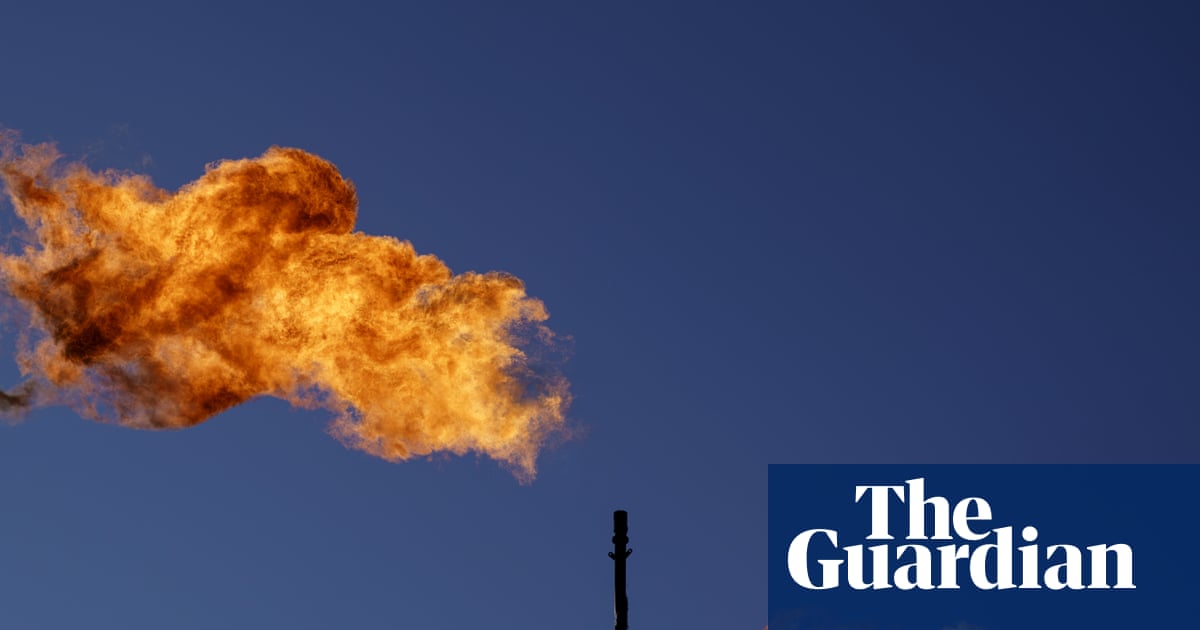
Turkmenistan has initiated repairs on several major methane leaks emanating from its aging oil and gas infrastructure, according to the latest data from the United Nations. This development represents a significant shift for the Central Asian nation, which was previously identified as having the most severe super-emitting methane leaks in the world. The repairs involve fixing corroded pipes, faulty wells, and failing flares, actions that have been described by UN officials as an encouraging first step toward reducing potent greenhouse gas emissions.
Methane is a powerful climate pollutant, trapping approximately eighty times more heat than carbon dioxide over a short period. It currently contributes to about twenty-five percent of global warming. Because methane breaks down in the atmosphere much faster than carbon dioxide, addressing leaks can yield rapid climate benefits. Experts have referred to curbing these emissions as an emergency brake on global heating, noting that stopping leaks is often both quick and cost-effective compared to other mitigation strategies.
The impetus for Turkmenistan’s recent actions appears linked to increased international scrutiny. In 2023, investigative reporting revealed the scale of the nation’s methane emissions, highlighting that leaks from its two main fossil fuel fields caused more global heating in a single year than the entire carbon output of the United Kingdom. Sources within Turkmenistan indicated that this exposure served as a critical catalyst, prompting the authoritarian government to engage with foreign partners and international institutions to address the problem.
Following the initial revelations, Turkmenistan joined the global methane pledge in December 2023, two years after its launch. The first documented repair occurred in November 2024, when a faulty well was fixed. The most recent intervention, completed in March, involved sealing a corroded pipeline. In total, eight leaks have been stopped so far. While the UN hailed this as a breakthrough in terms of documented mitigation action, officials cautioned that it does not yet represent a breakthrough in the overall magnitude of emissions.
The United Nations Methane Alert and Response System (Mars) has played a central role in identifying these issues. Over the past year, Mars sent 192 alerts regarding methane plumes to Turkmenistan. In the last six months alone, the country accounted for three of the six worst leaks detected globally by the system and nine of the top fifty. The program manager for Mars noted that the pipeline from satellite detection to on-the-ground mitigation is working effectively, even in difficult political environments like Turkmenistan.
Despite this progress, significant challenges remain. Turkmenistan has responded to only about twenty percent of the alerts with on-the-ground information or repair plans. UN officials emphasized that while the response rate is growing month by month, there are still many sources within the country that need to be addressed. The nation possesses vast gas reserves and is a major supplier to China, factors that may have previously led to the neglect of leaks due to the enormous volumes of gas being produced.
The situation in Turkmenistan contrasts sharply with responses from other major emitting nations. For instance, the United States received the second-highest number of Mars alerts, totaling 138, but did not respond to any of them or fix any leaks in the last year. Similarly, Iran, Russia, and China failed to respond to any alerts during this period. In Mexico, where the worst single leak detected—releasing thirty-seven tonnes per hour—was identified, the government responded to all alerts but had not yet completed a fix.
Globally, Mars alerts have led to forty-three leaks being sealed so far. These fixes range from straightforward on-the-spot plugs to complex repairs requiring significant planning and funding. One notable example in Algeria involved stemming a major leak that had persisted for nearly forty years due to a faulty flare. Flares are designed to burn unwanted methane, converting it into carbon dioxide, which is less potent but still a greenhouse gas. The success of these interventions highlights the potential of satellite data to drive tangible environmental action.
Political shifts in key countries have also impacted engagement with the Mars system. The previous US administration under President Joe Biden engaged with the program, resulting in the repair of a small leak in New Mexico in 2024 after a pressure safety valve was fixed. However, this cooperation ended with the return of Donald Trump to the presidency, who has previously dismissed climate change concerns. As Turkmenistan continues its repairs, the broader international community faces ongoing questions about how to maintain momentum on methane reduction amidst varying political commitments.
Looking ahead, the focus remains on expanding these efforts beyond the initial eight repairs in Turkmenistan. The UN Environment Programme continues to monitor emissions closely, relying on satellite data to identify new sources and track progress. While the recent actions by Turkmenistan offer a proof point for the effectiveness of international pressure and technological monitoring, the scale of the problem requires sustained attention. The coming months will be critical in determining whether this initial engagement translates into broader, systemic changes in how the nation manages its fossil fuel infrastructure.
Sources behind this briefing
Go to the original reporting
- The Guardian World↗‘Breakthrough’ as Turkmenistan starts fixing ‘mindboggling’ methane mega-leaks

