The short version
- Prosecutors played a recording of a 2008 interview where Duane Davis described passing a gun to his nephew during the shooting.
- The defense argues that Davis’s statements in both the interview and a later memoir are unreliable and lack corroboration.
- Witnesses testified about the gang tensions surrounding the event, though no one has identified the specific shooter.
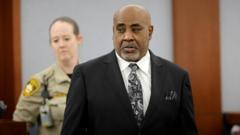
The trial of Duane 'Keffe D' Davis, who stands accused of orchestrating the 1996 murder of rapper Tupac Shakur, entered a critical phase in Las Vegas as jurors heard recordings of his past statements. Prosecutors presented evidence from a 2008 police interview, alleging that Davis supplied the weapon used in the drive-by shooting and directed the attack to settle a score for his nephew, Orlando Anderson.
According to the transcript played in court, Davis told Los Angeles Police Department detectives that he handed a firearm to Deandre 'Big Dre' Smith during the incident. Davis claimed Smith refused the weapon, so Anderson took it and opened fire on Shakur’s vehicle. Prosecutors argue this account demonstrates Davis’s central role in planning the crime, even if he did not pull the trigger himself.
The prosecution contends that any immunity or deal offered to Davis during the 2008 interview was voided when he later published a memoir titled 'Compton Street Legend.' In the book, Davis wrote that the attack on his nephew provided the 'ultimate green light' for retaliation. Prosecutors used this text to suggest Davis remained angry and motivated by gang loyalty long after the initial police questioning.
Davis’s legal team has vigorously challenged the credibility of these accounts. Defense attorney Michael Sanft urged jurors to view Davis’s statements as fiction rather than factual testimony. Sanft argued that without independent corroboration, Davis’s claims in both the interview and the book should be dismissed as unreliable narratives designed to sell copies or shift blame.
The 2008 interview was originally conducted while detectives investigated the death of another prominent rapper, The Notorious B.I.G. During that session, detectives questioned Davis about meetings with Sean 'Diddy' Combs. Davis reportedly acknowledged discussing violence against Shakur and Suge Knight with Combs during various tour stops, though representatives for Combs did not immediately comment on these allegations.
Davis has since distanced himself from the memoir, claiming he did not write all of it and that portions were fictionalized for commercial appeal. This contradiction between his 2008 interview statements and his later public denials forms a key point of contention in the courtroom. The defense maintains that Davis’s history of changing stories undermines the prosecution’s case.
Testimony from former Las Vegas homicide detectives highlighted the difficulties in solving the case over the past three decades. One detective noted that no witnesses have been able to positively identify the shooter who fired the fatal shots. This lack of direct identification has kept the case cold for thirty years, relying heavily on circumstantial evidence and confessions.
James 'Mob James' McDonald, a former member of Shakur’s entourage, testified about the volatile environment surrounding the rapper at the time. He described the incident as part of a broader gang conflict where individuals were actively being sought for violence. McDonald stated that those within Shakur’s circle quickly identified Anderson and others as responsible, despite the lack of formal charges until now.
The case remains one of the most high-profile unsolved crimes in American music history. As the trial continues, jurors must weigh conflicting narratives about Davis’s involvement. The outcome will depend on whether they find his past admissions credible or accept the defense’s characterization of them as uncorroborated fiction.
Legal experts note that the prosecution’s strategy relies heavily on establishing a pattern of behavior and intent through Davis’s own words. However, the defense’s focus on procedural issues in the original investigation and the reliability of witnesses may create reasonable doubt. The verdict could set a precedent for how cold cases involving celebrity victims are prosecuted decades after the fact.
Sources behind this briefing
Go to the original reporting
- BBC World↗Tupac murder accused told police in 2008 his nephew fired fatal shots

