The short version
- TSA officials unilaterally ordered the removal of chairs at travel document check stations to enforce a standing posture, citing improved professionalism and security engagement.
- Union representatives describe the policy as deeply demoralizing, noting that workers were not consulted and are now facing physical strain without adequate accommodations or footwear support.
- The dispute occurs within a broader context of strained relations between TSA and federal worker unions, including recent attempts to cancel collective bargaining agreements and ongoing privatization efforts.
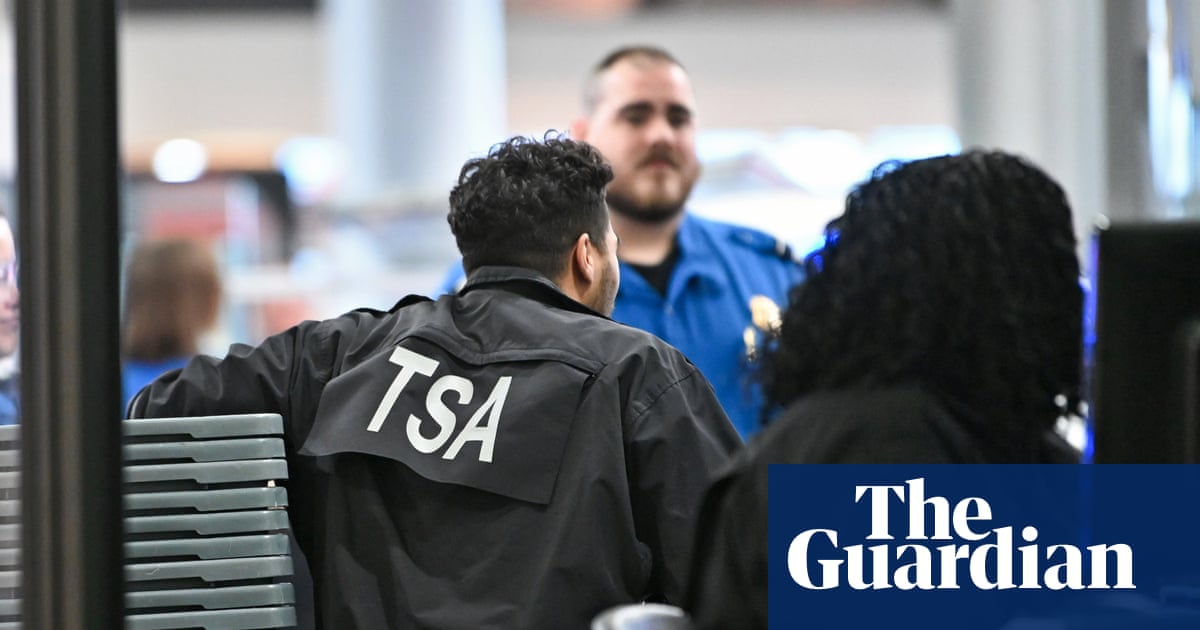
A new operational mandate at airport security checkpoints has sparked significant unrest among Transportation Security Administration employees after agency leadership ordered the removal of seating for staff stationed at travel document verification podiums. Implemented on September 25, the directive requires officers to remain standing throughout their shifts while screening passenger identification and boarding passes. TSA officials justified the change by asserting that maintaining an upright posture reinforces professionalism, attentiveness, and active engagement with travelers, claiming it strengthens both security protocols and customer hospitality standards.
Union officials have reacted with sharp criticism, characterizing the policy as a unilateral decision made without consultation or negotiation. Johnny Jones, secretary-treasurer of the American Federation of Government Employees TSA council 100, reported an immediate surge in complaints from members who found their workstations stripped of chairs and replaced with what they described as inadequate mats. Jones noted that the volume of distress calls mirrored the intensity seen during previous government shutdowns, indicating a severe drop in morale among the workforce.
The physical implications of the mandate have drawn particular concern from labor representatives. Officers at document check stations previously had two primary options for resting their legs: sitting on chairs or using designated rest areas. With the removal of seating, workers are now required to stand for extended periods without relief. Jones highlighted that many employees lack footwear suitable for prolonged standing, raising questions about long-term health impacts and ergonomic safety. The agency has not provided clear guidance on how this policy affects officers with existing light-duty accommodations or medical needs.
Hydrick Thomas, president of the AFGE TSA council 100, emphasized that neither checkpoint workers nor passengers requested this change. He challenged the agency’s rationale by suggesting that if standing truly enhances job performance, management should be required to demonstrate its efficacy by working eight-hour shifts in the same conditions. Thomas also pointed out the inconsistency in the policy, noting that chairs remain available at X-ray machine stations because equipment manufacturers recommend sitting while operating those devices.
Compounding the frustration is a simultaneous requirement for TSA workers to sign a pledge supporting colleague well-being and morale. Union leaders view this timing as contradictory, arguing that demanding a commitment to morale while implementing measures that visibly upset employees undermines trust. Jones stated that the agency failed to notify either the union or the affected staff before enforcing the new rules, describing the approach as dismissive of worker input and detrimental to team cohesion.
This incident is part of a wider pattern of tension between TSA and federal employee unions under the current administration. The Department of Homeland Security has previously attempted twice to cancel collective bargaining agreements with TSA unions, though a federal judge reinstated the contract in January after ruling that the cancellation violated a court injunction. Additionally, TSA workers have endured multiple government shutdowns without pay, including a 76-day partial shutdown earlier this year and another period last October.
Beyond labor disputes, the agency is facing scrutiny over its expansion of privatization initiatives through the TSA Gold+ program, which aims to shift certain screening responsibilities to private contractors. While some airports have considered joining the program, others, such as Tampa International Airport, have abandoned plans due to criticism and uncertainty regarding the model’s effectiveness and impact on federal jobs.
US Customs and Border Patrol has clarified that it has not adopted similar standing-only policies for its officers, who continue to use chairs while screening travel documents. This distinction highlights the specific nature of the TSA directive rather than a broader trend across all border security agencies. As of now, TSA has not responded to requests for comment regarding the union’s criticisms or the logistical details of what has been done with the removed seating.
In response to the mandate, the American Federation of Government Employees has launched a public letter-writing campaign urging citizens to contact TSA leadership and demand the restoration of chairs. Union leaders argue that the policy serves no practical security benefit while significantly worsening working conditions. The outcome of this dispute may influence future negotiations over workplace standards and collective bargaining rights within federal aviation security operations.
The situation remains unresolved as workers continue their shifts under the new standing requirements. With no official timeline for reversal or modification, employees are left to adapt to the physical demands of the policy while union representatives mobilize public support. The incident underscores ongoing challenges in balancing administrative directives with employee welfare and operational efficiency in high-stress security environments.
Sources behind this briefing
Go to the original reporting
- The Guardian US Politics↗‘People are pissed’: union decries TSA’s removal of chairs for checkpoint staff