The short version
- President Trump unilaterally suspended joint military exercises via social media, a move that mirrors South Korean President Lee Jae Myung’s stated desire to reduce tensions with Pyongyang.
- The decision has fractured traditional political alignments in Seoul, with conservatives condemning the security risk while progressives criticize the disrespectful delivery despite supporting the diplomatic intent.
- Experts warn that such transactional approaches may erode trust in the US alliance and inadvertently fuel domestic support for an independent South Korean nuclear deterrent.
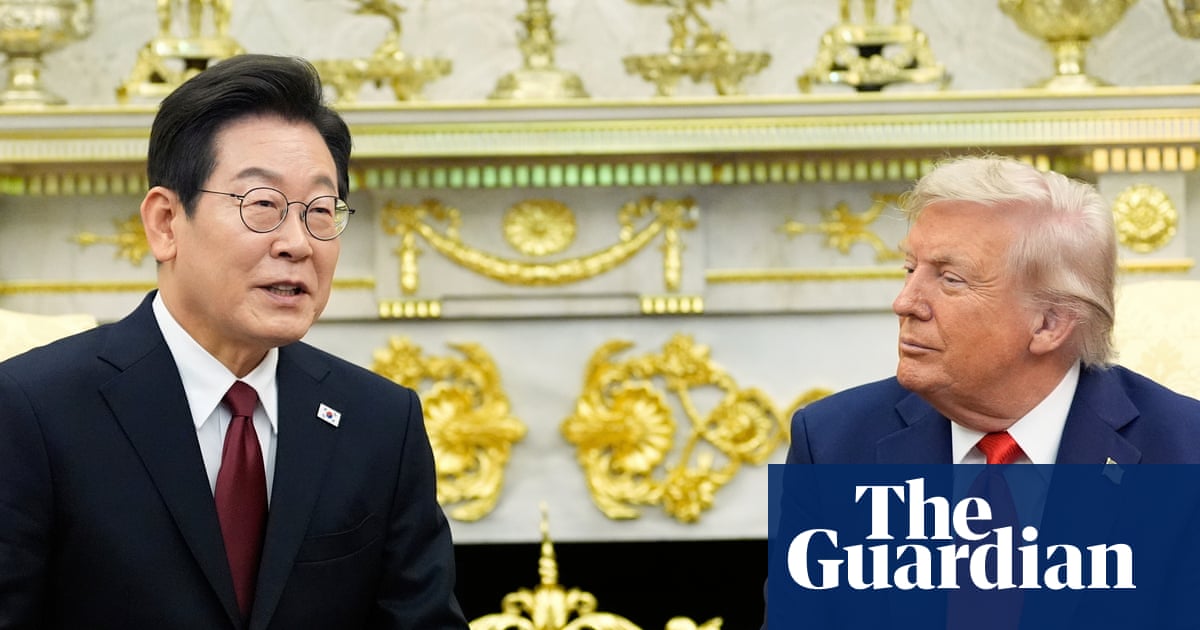
President Donald Trump’s abrupt decision to suspend joint military exercises with South Korea has created a complex political situation in Seoul. The move, announced via social media just hours before the drills were scheduled to begin, aligns superficially with the diplomatic objectives of South Korean President Lee Jae Myung. Lee has long advocated for reduced military posturing as a method to revive dialogue with North Korea, a strategy he described during his first summit with Trump last year by offering to act as a 'pacemaker' if Trump served as the 'peacemaker.'
Despite this alignment in outcome, the manner of the announcement has generated significant unease among South Korean officials and analysts. The unilateral nature of the decision bypasses established diplomatic channels, raising questions about Washington’s respect for its ally’s sovereignty. While Lee has consistently pushed for greater autonomy in defense matters, including wartime operational control and a nuclear submarine program, the sudden withdrawal of joint training capabilities is viewed by many as a destabilizing shift rather than a collaborative step toward peace.
The incident has inverted traditional political dynamics within South Korea. Historically, the left-leaning factions have favored engagement with Pyongyang, while conservatives have prioritized deterrence through military strength. In this case, conservative opposition parties and media outlets have labeled the cancellation a security disaster, warning of a return to 'Korea passing,' a term describing instances where Seoul feels marginalized in decisions affecting its national security. The influential Chosun Ilbo newspaper blamed Lee’s government for inviting such treatment, suggesting that Seoul’s diplomatic overtures may have emboldened Washington to act unilaterally.
Conversely, progressive voices in South Korea have expressed less alarm regarding the substance of the decision, though they criticized the disrespectful delivery. The Hankyoreh newspaper described the social media announcement as regrettable but did not object to the reduction in drills itself. Other outlets, such as Kyunghyang Shinmun, suggested that the pause could create a more favorable atmosphere for dialogue with North Korea, provided that overall deterrence remains intact. This divergence highlights the difficulty Lee faces in balancing his peace agenda with public skepticism toward Trump’s unpredictable style.
Beyond domestic politics, the episode underscores growing doubts about the reliability of the US-South Korea alliance. Professor Jaechun Kim of Sogang University noted that trust is foundational to any partnership, and Trump’s actions reinforce a perception that American obligations are increasingly viewed through a transactional lens. This perspective may influence how South Koreans assess US commitment long after the current administration ends, potentially leading to more independent defense postures in the future.
The cancellation also intersects with broader regional security concerns, particularly regarding nuclear deterrence. South Korea currently relies on the US nuclear umbrella for protection against North Korean threats. However, public support for an independent nuclear deterrent has remained high, often exceeding 70% in recent surveys. Analysts suggest that perceived weaknesses in the alliance could further elevate this support, as citizens and policymakers alike seek greater assurance of national security.
North Korea is likely to view any friction within the US-South Korea alliance with satisfaction, according to experts. However, Pyongyang may not prioritize improving relations with Washington given its strengthened ties with China and Russia. These partnerships provide North Korea with alternative support structures, reducing its dependence on diplomatic breakthroughs with Seoul or Washington. Consequently, the immediate impact of Trump’s decision may be more symbolic than strategic in altering North Korean behavior.
Looking ahead, the incident serves as a cautionary tale about the risks of unilateral actions in complex geopolitical relationships. While Lee Jae Myung’s administration may see an opportunity to advance its peace agenda, the lack of coordination with Washington undermines the stability that joint exercises provide. As debates continue in Seoul over the appropriate response, the focus remains on maintaining deterrence while exploring diplomatic avenues, a delicate balance that requires careful navigation by both governments.
The broader implications extend beyond the Korean Peninsula, affecting how other US allies perceive American commitments. If major partners interpret such moves as indicative of a shifting foreign policy doctrine, it could lead to increased defense spending and independent security initiatives among allied nations. For now, South Korea finds itself navigating a precarious path between diplomatic engagement and security assurance, with the eyes of the international community watching closely.
Sources behind this briefing
Go to the original reporting
- The Guardian US↗In cutting joint drills, Trump has given South Korea’s president what he wants. So why does Seoul look so uneasy?

