The short version
- Democrats achieved significant midterm election victories in Georgia, New Hampshire, and North Carolina despite the president's final campaign efforts.
- Trump utilized a press conference at the Lincoln Memorial to highlight renovation projects and deflect criticism regarding his administration's performance.
- The president announced an end to military aid for Israel and criticized Fox News polling methods as results indicated a Republican defeat.
The midterm elections concluded with decisive victories for Democratic candidates across several key states, marking a significant rebuke of the current administration. As polls closed on Tuesday evening, early results confirmed major gains for Democrats in Georgia, New Hampshire, and North Carolina. These outcomes signaled a rapid shift in political momentum, contradicting the president’s earlier assertions of strong public support and electoral viability.
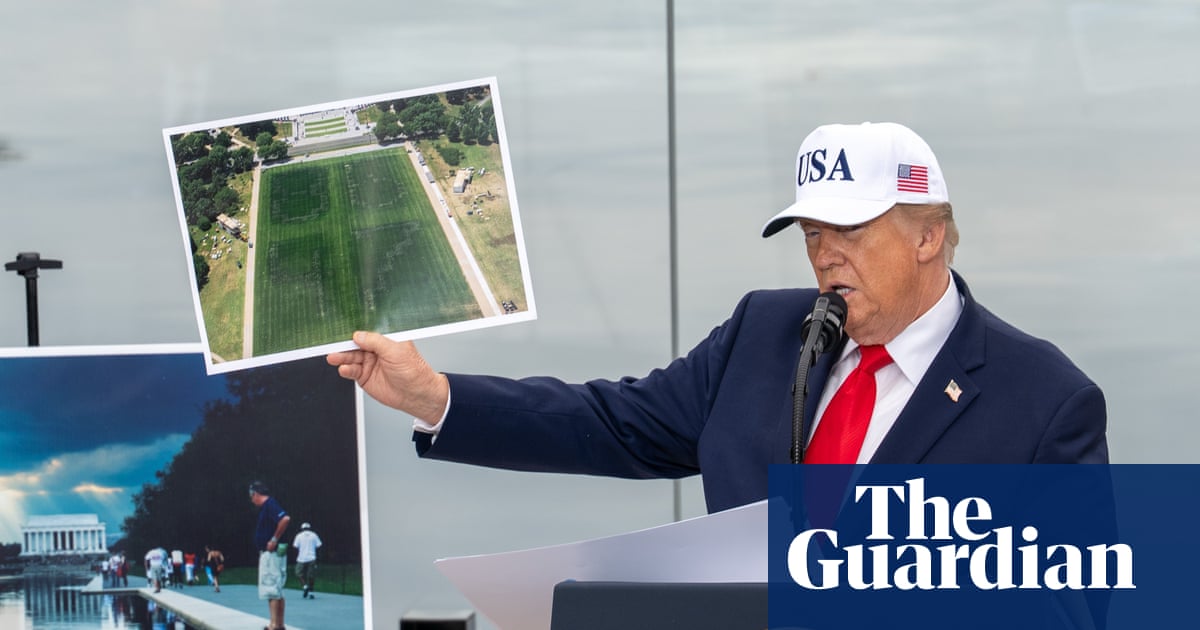
In the final hours before voting began, President Trump staged a press conference at the Lincoln Memorial reflecting pool. The event centered on his administration’s efforts to beautify Washington, D.C., specifically highlighting a $14 million renovation project. Trump used the occasion to criticize previous administrations for allowing algae to bloom in the water, describing the condition as brutal and indicative of wasted spending under his predecessors.
The focus on the reflecting pool drew scrutiny given the project’s troubled history. Earlier this year, promises to restore the water to a clear blue color resulted in an unexpected green algae takeover, which became a subject of international ridicule. Despite internal advice to prioritize other policy matters, the president maintained that these aesthetic improvements represented one of his strongest legacies, claiming he had fulfilled more promises than any administration in history.
Beyond domestic infrastructure, Trump issued several proclamations during the final week of the campaign. He published an American declaration of freedom in space, asserting that outer space belongs to all humans, and designated the week as Anti-Communism Week to honor victims of socialist regimes. It remained unclear how the White House planned to observe these declarations or what practical impact they would have on voter behavior.
On election morning, Trump appeared on Fox News to announce a shift in foreign policy regarding Israel. He stated that military aid totaling $4 billion would be terminated at the end of the year. This move aligned with polling data showing nearly half of Americans believed the United States was too supportive of Israel. Trump acknowledged that Democratic candidates, such as Abdul El-Sayed in Michigan, had effectively used this issue to criticize his administration.
As results began to favor Democrats, the president turned his attention to media coverage and polling accuracy. He posted on Truth Social criticizing Fox News for asking insulting questions and claiming their ratings had dropped due to excessive coverage of Democratic politicians. Trump insisted that his own numbers were better than ever, attributing the network’s decline to their editorial choices rather than his political standing.
The rapid pace of Republican losses prompted a final statement from the president denying responsibility for the outcome. He wrote that he was not on the ballot and asserted that if he had been, the results would have been a landslide victory. This deflection underscored the disconnect between the administration’s self-perception and the electorate’s verdict.
The election results highlight a growing dissatisfaction with the president’s priorities among voters. While the administration focused on symbolic gestures and renovation projects, Democrats capitalized on issues such as foreign aid and economic concerns. The decisive wins in swing states suggest that these factors outweighed the president’s efforts to control the narrative through media appearances and proclamations.
Looking ahead, the Democratic gains will likely reshape the legislative landscape and constrain the administration’s ability to advance its agenda. The failure of Trump’s final campaign strategy raises questions about the effectiveness of focusing on aesthetic improvements and space declarations during a high-stakes election. Analysts will now examine how these results influence future policy decisions and political strategies.
The midterm elections serve as a critical indicator of public sentiment heading into the next cycle. With Democrats securing control in key areas, the balance of power has shifted significantly. The president’s insistence that external factors caused the defeat contrasts sharply with the clear mandate delivered by voters in states like Georgia and North Carolina.
Sources behind this briefing
Go to the original reporting
- The Guardian US Politics↗Election week in Trumpland: algae, space proclamations and a deflection of blame