The short version
- Kimberly Guilfoyle stepped down as US ambassador to Greece in October 2026 following allegations of corruption and misconduct during her tenure.
- Several other Trump-appointed ambassadors have faced significant diplomatic friction, including Charles Kushner in France, Bill White in Belgium, and Pete Hoekstra in Canada.
- Kari Lake’s nomination for ambassador to Jamaica remains unconfirmed amid criticism from former diplomats who question her policy expertise and suitability for the role.
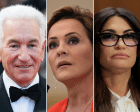
The resignation of Kimberly Guilfoyle as the United States ambassador to Greece has intensified examination of the diplomatic appointments made during Donald Trump’s second term. Guilfoyle, a conservative media personality and former politician, assumed the post in November 2025 shortly after ending her engagement with the president’s son. Her departure in October follows serious allegations regarding her conduct while serving in Athens.
Critics point to specific incidents that allegedly compromised diplomatic integrity. Reports indicate Guilfoyle promoted the commercial interests of a particular Greek construction and energy firm, invited lobbyists into official meetings, and requested an associate cover a substantial credit card balance prior to her Senate confirmation hearing. These actions have drawn sharp rebuke from observers who argue such behavior undermines professional diplomatic standards.
Guilfoyle is not an isolated case within the administration’s foreign service roster. Charles Kushner, a former real estate developer and convicted felon whose convictions were pardoned by Trump in 2020, serves as ambassador to France and Monaco. His tenure has been marked by friction, including being barred from a meeting with French counterparts after failing to respond to a summons related to his public accusations regarding antisemitism and leftist extremism in France.
In Belgium, Bill White, former president of the Intrepid museum, has engaged in public disputes with Foreign Minister Maxime Prévot. Tensions escalated when Prévot admonished White for accusing Belgium of harboring antisemitic elements and later for allegedly calling a Belgian official a derogatory term on social media, an accusation White denied. These exchanges highlight the personal nature of conflicts arising from these appointments.
Relations with Canada have also grown strained under Pete Hoekstra, a former Republican congressman appointed as ambassador in April 2025. Hoekstra has adopted an openly critical stance toward his host nation, warning Canadians against interfering in upcoming US midterm elections. This approach sparked a petition signed by over 200,000 Canadians urging his expulsion, citing concerns that he was normalizing threats to annex Canada as the 51st state.
Further complicating the diplomatic landscape is William “Billy” Long, appointed ambassador to Iceland in August 2026. A former auctioneer and Republican congressman, Long previously served briefly as internal revenue commissioner before being removed due to clashes with Treasury Secretary Scott Bessent. His time in Iceland has included awkward moments, such as an apology issued after joking about making the island nation the 52nd state.
In Poland, Tom Rose, a former adviser to Mike Pence, has faced diplomatic pushback for his handling of relations with local officials. Rose announced he would cut communications with the speaker of the lower house of the Polish parliament over perceived insults toward Trump. Prime Minister Donald Tusk responded by urging Rose to respect rather than lecture allies, a sentiment Rose rejected.
Looking ahead, Kari Lake’s nomination as ambassador to Jamaica remains pending confirmation. Lake, known for promoting election fraud claims and serving as head of Voice of America, has drawn criticism from former ambassadors who describe her appointment as lightweight and lacking policy substance. Former Ambassador Luis Moreno suggested the Jamaican government would have to manage around her limitations, while Donald Tapia stated she was not the right person for the role.
The pattern of appointing loyalists with controversial histories continues to draw scrutiny. While presidents from both parties have historically rewarded donors and allies with diplomatic posts, the current administration’s choices have sparked unusual levels of resistance and scandal. The White House has also withdrawn or seen expire nominations for other controversial figures, such as Nick Adams, indicating internal awareness of the risks associated with these appointments.
As the administration moves forward, the impact of these appointments on US-foreign relationships remains a significant concern. The combination of personal loyalty over professional experience and the resulting diplomatic friction poses challenges for maintaining stable international partnerships. Future confirmations and ongoing tenures will likely continue to be closely watched by both domestic and international observers.
Sources behind this briefing
Go to the original reporting
- The Guardian US Politics↗Trump’s ambassadors: the loyalists and allies at the center of controversy