The short version
- Leaders extended a trade war pause until January while avoiding substantive breakthroughs on AI regulation or Taiwan arms sales.
- Critics characterized the event as 'diplotainment,' noting that ceremonial activities overshadowed the brief ninety-minute private meeting.
- Senate Democrats urged immediate delivery of approved security assistance to Taiwan, contradicting the president's use of arms sales as a negotiating lever.
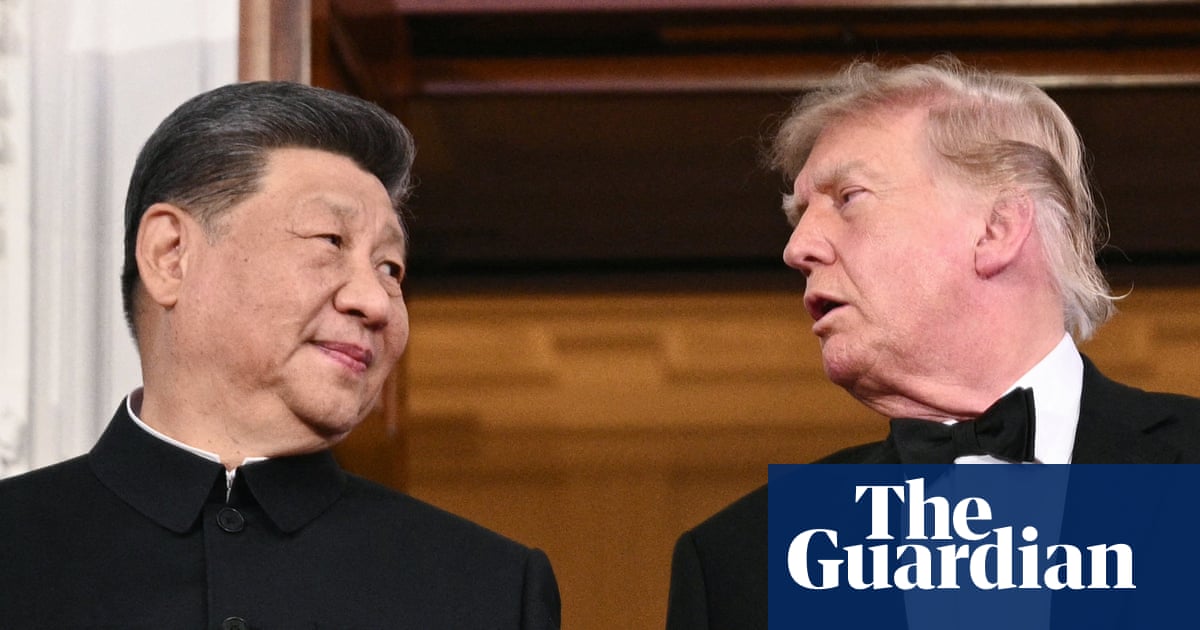
The recent state visit by Chinese President Xi Jinping to Washington concluded with an emphasis on symbolic gestures rather than definitive policy resolutions. While the summit marked Xi’s first trip to the United States in more than ten years, observers noted that the extensive pageantry did not translate into tangible progress on complex geopolitical challenges. The two leaders engaged in a brief closed-door session lasting approximately ninety minutes, which failed to produce clear breakthroughs regarding artificial intelligence governance, trade disputes, tensions over Taiwan, or the ongoing conflict involving Iran.
One of the few concrete outcomes was an agreement to extend a pause in the ongoing trade war until January 10. Despite this extension, experts indicated that there were few other visible results from the negotiations. The White House highlighted the personal rapport between the leaders, with President Trump describing the meeting as productive after showing Xi a newly constructed helipad on the South Lawn. However, the lack of detailed policy announcements left many questions unanswered regarding the future trajectory of US-China economic relations.
Critics within the political establishment expressed concern that the event prioritized style over substance. Senate Democrats issued a statement criticizing the summit for focusing heavily on ceremonial aspects while neglecting major strategic issues. Former diplomat Danny Russel characterized the approach as 'diplotainment,' arguing that protocol and social events do not equate to diplomatic progress. He emphasized that while symbolic gestures like panda exchanges are pleasant, they do not address critical supply chain dependencies such as rare earth minerals.
Discussions on artificial intelligence remained vague, with both leaders offering general statements rather than specific regulatory frameworks. President Trump had previously indicated a preference for maintaining the current status quo regarding AI development, a position he claimed aligned with China’s stance. In contrast, Xi Jinping stressed the importance of ensuring that AI development remains under human control. Analysts suggest that intense competition between the two nations in this sector limits the potential for meaningful cooperation, resulting in only symbolic agreements.
The issue of Taiwan security emerged as a point of contention during the visit. According to Chinese state media, Xi urged Trump to oppose moves toward Taiwanese independence and likely pressed for a halt to arms sales to the island. This request conflicts with previous actions by the administration, which had paused a $14 billion arms package to use as a negotiating chip. The White House did not immediately release its own summary of these discussions, leaving the extent of any concessions unclear.
In response to the summit’s outcomes, at least nineteen members of the Senate Democratic caucus called for the immediate delivery of security assistance approved by Congress. This includes $1.3 billion in funds and the previously delayed arms sale. The lawmakers argued that delaying such support undermines US commitments to allies in Asia and emboldens adversarial actions. China continues to claim Taiwan as its territory and has not ruled out the use of force to achieve reunification, making these security guarantees a focal point for regional stability.
The logistical arrangements for the visit also drew attention, with Trump greeting Xi at Joint Base Andrews rather than waiting at the White House. This marked the first time a US president had welcomed a foreign leader at the airbase since 2015. The event featured Chinese flags displayed alongside US flags above the Oval Office, a visual departure from previous norms. Meanwhile, major US television networks refused to broadcast live coverage of the leaders’ remarks in protest of the White House’s ban on certain news organizations, including CNN and MSN.
The state dinner hosted by the Trumps included prominent figures from the technology sector, such as executives from Apple, Amazon, Alphabet, OpenAI, Tesla, and Nvidia. The menu featured dishes like yellow squash velouté and sesame-crusted sea bass. Outside the White House gates, protesters voiced opposition to China’s policies in Hong Kong, their chants audible during photo opportunities on the steps. The combination of high-profile attendees, media restrictions, and public dissent underscored the polarized nature of US-China relations in the current political climate.
Looking ahead, the lack of substantive agreements suggests that underlying tensions between the two powers will persist. While the extended trade pause provides a short-term reprieve, fundamental disagreements on technology regulation, military strategy, and geopolitical influence remain unresolved. The emphasis on ceremonial diplomacy may serve to manage immediate crises but is unlikely to foster long-term stability or cooperation in areas critical to global security and economic health.
Sources behind this briefing
Go to the original reporting
- The Guardian US↗Diplomacy or ‘diplotainment’? Key takeaways from the Trump-Xi summit in Washington

