The short version
- Donald Trump greeted Xi Jinping at Joint Base Andrews for a state visit that excludes attendance at the UN General Assembly.
- The US and China extended the Busan trade agreement, signaling a temporary pause in economic tensions despite ongoing disputes over AI and Taiwan.
- The administration invited Vladimir Putin to a December G20 meeting in Miami, marking a potential return of Russian leadership to global summits.
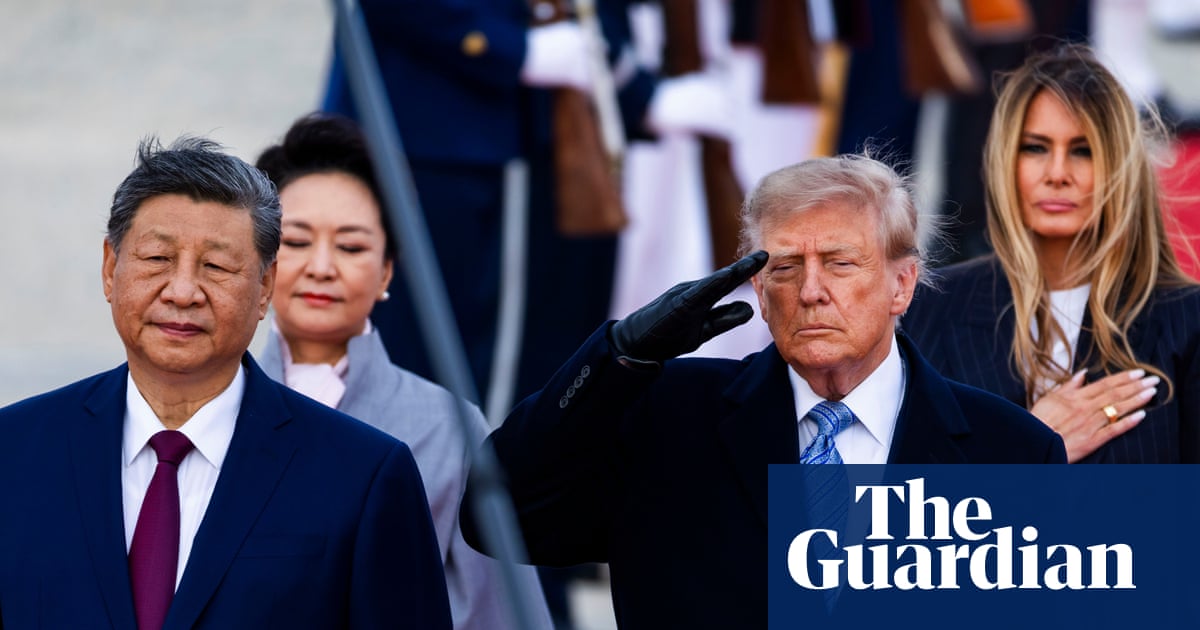
Donald Trump welcomed Chinese President Xi Jinping to the United States on Wednesday, marking the beginning of a state visit that coincides with the UN General Assembly in New York. The two leaders met at Joint Base Andrews, where Trump greeted Xi on the tarmac before proceeding to Washington for a series of formal engagements. Although the timing aligns with the major diplomatic gathering in New York, Xi is not scheduled to attend the assembly, focusing instead on bilateral discussions with his American counterpart.
The itinerary includes a ceremonial welcome on the White House South Lawn, private meetings with the president and first lady, and a tour of the National Archives. In a notable gesture toward the technology sector, the White House has invited major tech executives to attend the state dinner hosted for Xi. This inclusion underscores the growing intersection of diplomatic relations and technological competition, particularly as artificial intelligence development remains a central point of contention between the two nations.
Economic tensions have seen a brief reprieve following an announcement from US Treasury Secretary Scott Bessent that Washington and Beijing agreed to extend the Busan agreement. This arrangement serves as a temporary trade truce between the world’s two largest economies, providing a window of stability amid broader frosty relations. Analysts suggest that while the extension offers immediate relief, underlying disputes regarding trade practices, intellectual property, and market access remain unresolved.
Beyond economics, the discussions are expected to cover sensitive geopolitical issues, including Taiwan and the rapid advancement of AI technology. These topics have historically strained US-China relations, with both nations viewing them as critical to their national security and strategic interests. The state visit provides a rare opportunity for direct dialogue on these matters, potentially setting the tone for future interactions between Washington and Beijing.
In a separate diplomatic development, the United States has extended an invitation to Russian President Vladimir Putin to attend the G20 summit scheduled for December in Miami. US Secretary of State Marco Rubio expressed hope that Putin would accept the invitation, which would mark his first appearance at such a global forum since launching the invasion of Ukraine in 2022. This move signals a complex approach to international engagement, balancing condemnation of Russian actions with participation in multilateral institutions.
Meanwhile, tensions in the Middle East continue to escalate, with Iranian President Masoud Pezeshkian delivering a defiant address at the UN General Assembly. Pezeshkian accused the United States of acting as a bully and terrorist in the region, specifically citing the assassination of Supreme Leader Ali Khamenei during the early stages of the US-Israeli conflict. He emphasized Iran’s commitment to diplomacy while rejecting forceful language, holding up images of victims to underscore his points.
The humanitarian situation in Gaza has worsened due to environmental factors linked to the conflict. Israel is experiencing significant water shortages after an algae bloom crippled much of its desalination infrastructure. Scientists attribute this crisis to the destruction of Gaza’s wastewater systems by Israeli attacks, which led to massive discharges of untreated sewage into the sea. This ecological damage highlights the broader consequences of military operations on civilian resources and public health.
Domestically, the Trump administration faced legal setbacks regarding press freedom. A federal judge ordered the temporary restoration of press passes for journalists from CNN, MSNbc, and Politico, ruling that the ban was likely unconstitutional. The judge expressed skepticism about the administration’s justification for revoking credentials, noting that explanations were provided after the fact. Additionally, a lawsuit filed by Trump against the Des Moines Register over poll coverage was dismissed, rejecting claims of consumer fraud violations.
Concerns about military morale and conditions have also emerged, with eight US Navy personnel assigned to the USS Abraham Lincoln attempting suicide during their deployment in the war on Iran. Acting Navy Secretary Hung Cao disclosed these incidents in a letter to Senator Kirsten Gillibrand, contradicting Trump’s earlier dismissal of reports regarding poor conditions on the carrier as fake news. These revelations raise serious questions about the well-being of service members and the accuracy of official statements.
Other notable developments include an FBI investigation into a breach of its jobs website, where hackers claimed access to sensitive data on agents and applicants. In legal news, Harvey Weinstein was sentenced to 15 years for sexual assault, and former NFL star Antonio Brown plans to accept a plea deal on attempted murder charges to avoid prison time. Meta also announced new virtual reality and smart glasses products, continuing its push into wearable technology.
Sources behind this briefing
Go to the original reporting
- The Guardian World↗First Thing: Trump welcomes Xi to Washington amid tensions over trade, AI and Taiwan

