The short version
- President Trump issued an executive order indefinitely waiving sanctions on Russia, reversing legislation passed by a wide bipartisan margin in the Senate.
- Lawmakers from both parties condemned the move as capitulation to Vladimir Putin and a betrayal of support for Ukraine during its critical winter defense phase.
- With Congress on recess until after the midterm elections, legislative efforts to block the associated diesel import deal face significant procedural delays.
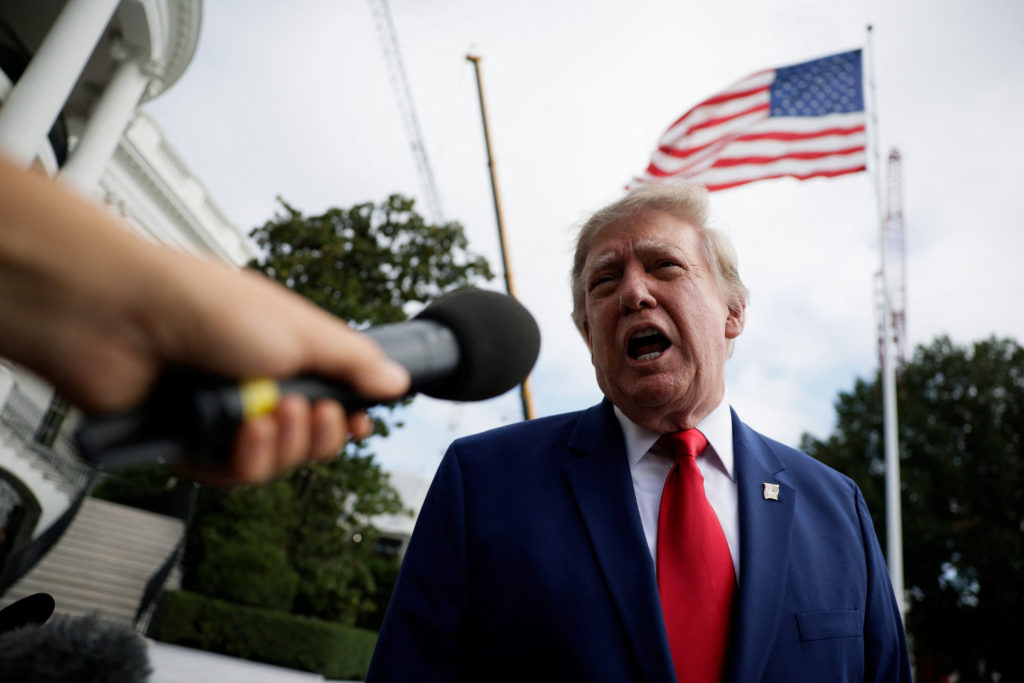
President Donald Trump has issued an executive order indefinitely waiving sanctions against Russia, a move that immediately triggered fierce condemnation from members of Congress across the political spectrum. The decision comes just days before the penalties were scheduled to take effect under the Lindsey Graham Russian Sanctions Act, legislation that passed the Senate with an 86-11 vote earlier this year. Lawmakers who spent nearly a year negotiating the package expressed shock and anger at the abrupt reversal, viewing it as a direct contradiction of the bipartisan consensus built to isolate Moscow financially.
The sanctions were designed to impose steep tariffs on nations importing large volumes of Russian oil and energy products, aiming to cut off funding for Vladimir Putin’s ongoing war in Ukraine. By suspending these measures, the administration has effectively halted the enforcement mechanism that Congress intended to activate this weekend. Critics argue that this action undermines the strategic pressure campaign against the Kremlin and signals a dramatic shift in U.S. foreign policy priorities toward accommodation rather than containment.
Republican Senator Thom Tillis of North Carolina labeled the decision beyond irresponsible on social media, questioning why the White House would ignore a law passed with such overwhelming support. He characterized the administration’s stance as capitulation to a dictator who illegally invaded Ukraine and suggested that addressing energy prices should involve resolving conflicts in Iran rather than striking deals with Moscow. Other Republicans echoed these sentiments, with Senator John Cornyn of Texas invoking the memory of the late Senator Lindsey Graham, noting that Graham would have been appalled by the reversal of his legislative legacy.
Democratic leaders were equally vocal in their opposition. Senate Majority Leader Chuck Schumer of New York described the move as giving life support to the Russian economy and accused the president of making a deal with the devil. Senator Elizabeth Warren of Massachusetts argued that Trump was thumbing his nose at Congress and enabling continued aggression against Ukraine. She urged her colleagues to take immediate action to reverse course, emphasizing the moral and strategic imperative of standing with Kyiv during its most vulnerable period.
The timing of the waiver coincides with a critical moment for Ukraine, which is bracing for a harsh winter while facing sustained Russian attacks on its energy infrastructure. Ukrainian President Volodymyr Zelenskyy has expressed hope that the sanctions could be revived, despite his often rocky relationship with the Trump administration. Zelenskyy has maintained close ties with U.S. lawmakers and urged supporters to advocate for the enforcement of the penalties, highlighting the stakes for Ukraine’s ability to heat homes and keep lights on during the coming months.
Compounding the controversy is a separate agreement announced by Trump involving the importation of Russian diesel fuel into the United States. The president framed this deal as a long-shot effort to curb high gas prices that are roiling the upcoming midterm elections on November 3. However, critics argue that the spike in fuel costs is largely driven by conflicts in Iran and other geopolitical factors, not solely by the availability of Russian energy. They contend that importing Russian fuel undermines the goal of pressuring Moscow while offering minimal relief to American consumers.
Legislative responses are currently stalled due to congressional recess. Both the House and Senate will remain out of session until after Election Day, limiting lawmakers’ ability to challenge the executive order or block the diesel deal in the immediate term. Representative Gregory Meeks of New York, ranking Democrat on the House Foreign Affairs Committee, introduced legislation Friday aimed at stopping the Trump-Putin fuel agreement. He described the deal as corrupt and contrary to U.S. values, warning that it represents self-enrichment rather than strategic statecraft.
Skeptics in Congress had warned for months that Trump might flout the sanctions law once signed, despite Graham’s efforts to secure presidential buy-in. The president cited national security concerns as justification for the indefinite waiver, a rationale that has done little to quell bipartisan frustration. As lawmakers return to Washington post-election, they face the challenge of determining whether legislative tools exist to override the executive order or impose new penalties, all while navigating a political landscape where energy affordability remains a top voter concern.
Sources behind this briefing
Go to the original reporting
- PBS NewsHour↗Trump's decision to waive Russian sanctions outrages Congress, but no quick counter seen


