The short version
- Donald Trump presented the completed Lincoln Memorial Reflecting Pool renovation as a unifying national achievement during his last press conference before the midterm elections.
- The project faced significant setbacks, including an algae bloom and peeling coatings, leading to disputed claims of vandalism and a dropped criminal case against a former athlete.
- Voters express growing concern over rising inflation and living costs, which some attribute to recent military conflicts, potentially impacting Republican performance in key Senate races.
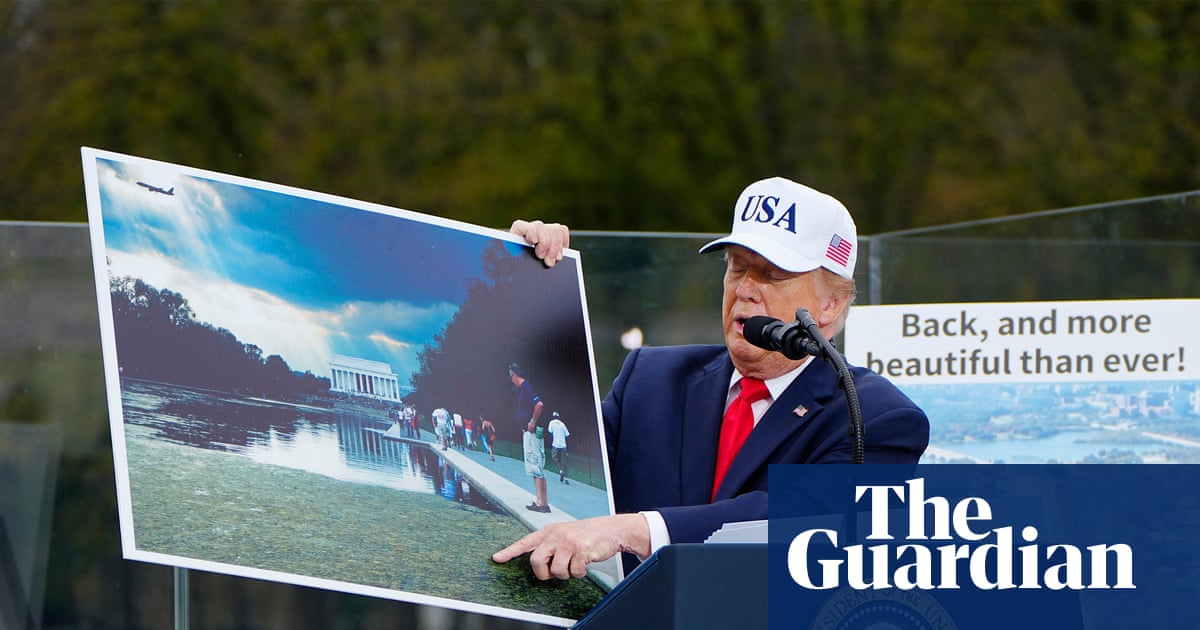
Donald Trump used his final public address before the midterm elections to showcase the results of a major infrastructure initiative in Washington, D.C. Standing before the newly reopened Lincoln Memorial Reflecting Pool, the president framed the $14 million renovation as a symbol of national unity and administrative competence. The event served as a strategic pivot point, allowing him to transition from discussing local construction details to addressing the broader political landscape just hours before Americans head to the polls.
The renovation process has been marked by significant delays and public controversy. Initial unveilings in June revealed a pool that failed to meet aesthetic expectations, with water turning green due to an algae bloom rather than the intended blue hue. Furthermore, reports indicated that the protective coating on the structure began to peel shortly after completion. These technical failures have drawn criticism from observers who question the management and execution of the project.
Disputes over responsibility for the damage have intensified political tensions. Trump has repeatedly alleged that vandals were responsible for the deterioration of the pool’s surface, despite his administration failing to provide concrete evidence to support these accusations. The controversy reached a legal peak when former Olympic canoeist David Hearn was charged with alleged damage to the site. However, U.S. Attorney Jeanine Pirro’s office subsequently dropped the case, a move that angered the president but was welcomed by Hearn’s legal team as a correction of government overreach.
Hearn’s attorneys emphasized that the dismissal of charges did not undo the harm caused by what they described as an abuse of power against a patriotic citizen. This episode has become a focal point for critics who argue that the administration is using legal mechanisms to target political opponents or unrelated individuals. The lack of substantiated evidence for vandalism claims has further fueled skepticism regarding the official narrative surrounding the project’s failures.
In his remarks, Trump shifted blame toward previous administrations, accusing Democratic predecessors Joe Biden and Barack Obama of excessive spending on earlier renovations to the same site. He reiterated his stance that current issues were not the result of his own administration’s actions but rather the legacy of prior mismanagement or external sabotage. This rhetorical strategy aims to deflect criticism from his own record while reinforcing a narrative of continuity in political opposition.
The timing of this announcement coincides with heightened anxiety about the upcoming midterm elections. Polling data suggests that Democratic candidates hold narrow leads in several competitive Senate races, including those in Texas, Alaska, Kansas, Iowa, and Maine. Historically, the party holding the presidency tends to lose seats during midterms, a trend that Trump acknowledged while expressing confidence in his party’s efforts to maintain control.
Voter sentiment appears increasingly influenced by economic concerns rather than infrastructure projects. Many Americans report dissatisfaction with the current state of the economy, particularly regarding rising prices for gasoline and groceries. Inflation has remained persistently high throughout the year, creating financial strain for households across the country. These economic pressures are cited as primary drivers of voter discontent.
Some analysts link the ongoing inflationary trends to broader geopolitical events, specifically referencing a conflict with Iran that began in late February under Trump’s leadership. While the direct causal relationship between foreign policy decisions and domestic price levels remains complex and debated, voters perceive a connection between national security actions and their daily cost of living. This perception may undermine support for Republican candidates in swing states.
As election day approaches, the reflecting pool renovation stands as a microcosm of larger political themes: infrastructure investment, accountability, and the intersection of domestic policy with international affairs. Whether this final appeal will resonate with voters or further alienate them remains uncertain. The outcome of these midterms could significantly shape the trajectory of Trump’s presidency and the legislative agenda for the coming years.
The administration continues to emphasize unity and progress through visible projects, even as underlying issues persist. Critics argue that focusing on symbolic gestures distracts from substantive policy challenges. With polls closing soon, all eyes will be on whether economic anxieties or patriotic appeals will ultimately determine the balance of power in Congress.
Sources behind this briefing
Go to the original reporting
- The Guardian World↗Trump unveils results of $14m reflecting pool makeover in final appeal before midterms


