The short version
- President Trump is campaigning for Senator Dan Sullivan in Alaska, signaling heightened Republican concern over retaining Senate seats during the upcoming midterm elections.
- Economic pressures including high fuel costs and inflation have eroded presidential approval ratings, creating potential vulnerabilities for GOP incumbents even in traditionally conservative states.
- Alaska’s unique ranked-choice voting system and history of electing independent-minded candidates add complexity to the race, with a third candidate named Dan Sullivan also on the ballot.
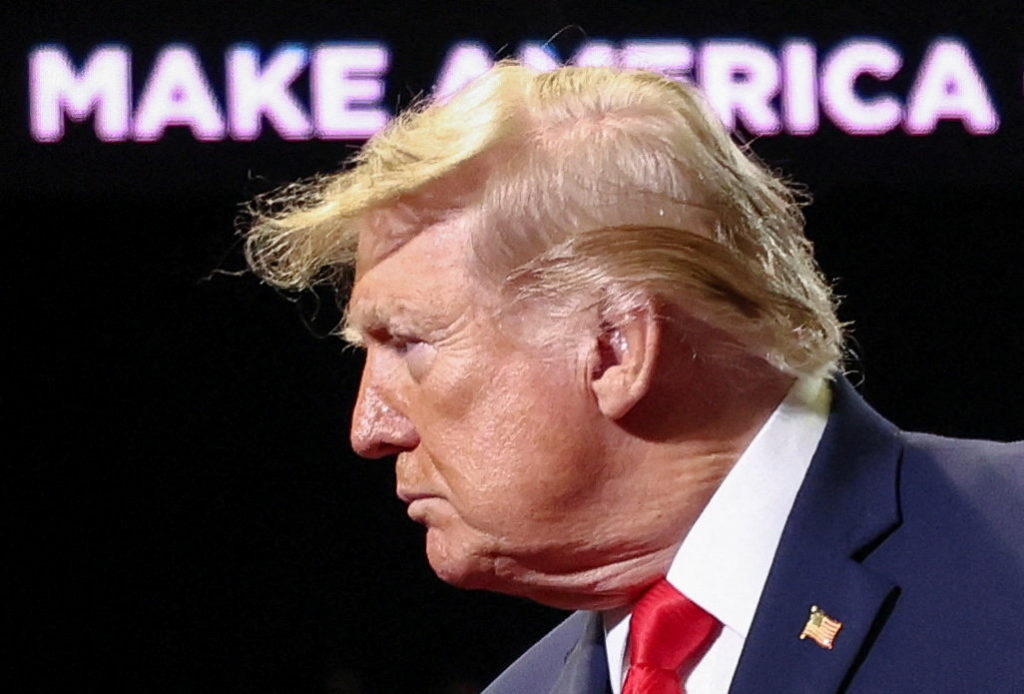
President Donald Trump is dedicating significant time near the end of the campaign cycle to travel across multiple time zones to Alaska, aiming to bolster Republican Senator Dan Sullivan’s bid for reelection. This move reflects growing anxiety within the Republican Party regarding its ability to maintain control of Congress following the November 3 elections. The president will headline a rally in Wasilla, a town known as the former home of Sarah Palin and the starting point for the Iditarod sled dog race, approximately forty-five miles north of Anchorage. This appearance is part of a broader western swing that includes stops in Arizona and Montana.
Alaska has not elected a Democrat to the Senate since 2008 or a Democratic governor since 1998, making it a historically reliable Republican stronghold. The state voted for the Republican presidential candidate in every election except Lyndon B. Johnson’s landslide victory in 1964. Despite this deep red history, national economic trends are influencing local dynamics. High gasoline prices linked to geopolitical conflicts and persistent inflation have contributed to declining approval ratings for the president. These factors have led Democrats to view Alaska as a potential upset opportunity, despite the state’s conservative leanings.
Senator Sullivan is seeking his third term in office against Democrat Mary Peltola, a former congresswoman who has centered her campaign on cost-of-living concerns and an “Alaska First” platform. Local polling indicates that support for Trump in the state mirrors his national approval trends, suggesting that voters who backed him in 2024 may now be uncertain about their continued allegiance. Ivan Moore, an Alaska pollster, noted that while the presidential visit is strategically appropriate, its effectiveness remains unclear. The presence of the president underscores the stakes involved in retaining this seat.
The Trump administration has emphasized energy development in Alaska, including efforts to expand oil and gas drilling access. Vice President JD Vance previously campaigned for Sullivan in Fairbanks, highlighting the party’s coordinated effort. Additionally, Sullivan recently joined the president at the White House for an announcement regarding a proposed $54 billion investment by the South Korean government into an Alaskan natural gas project. Although South Korean officials have stated that the deal and its total value are not yet finalized, the administration has used this potential partnership to demonstrate economic benefits for the state.
Alaska’s political landscape is further complicated by its unique electoral system. The state utilizes open primaries where the top four vote-getters advance to the general election, which employs ranked-choice voting. This structure often rewards candidates with independent streaks and can produce competitive races even in deeply partisan years. Vice President Vance acknowledged this reality during his earlier campaign stop, noting that Alaska remains competitive regardless of whether the national political environment favors Republicans or Democrats.
A peculiar aspect of this election cycle involves the presence of another candidate named Dan Sullivan on the ballot. Retired teacher Dan J. Sullivan is running as a third contender, a situation that allies of Senator Sullivan have characterized as a sham candidacy designed to split votes. Dan J. Sullivan has denied these allegations. The state’s history includes previous instances where Trump intervened in Republican primary contests, such as his 2022 opposition to Senator Lisa Murkowski after she voted to convict him during his second impeachment trial. That intervention did not prevent Murkowski from winning reelection.
The president also plans to campaign for Republican Representative Nick Begich, who faces a competitive challenge from independent candidate Bill Hill. This dual focus illustrates the broader Republican strategy to defend vulnerable seats across the state. The unusual length of Trump’s trip so close to Election Day signals the high priority placed on Alaska within the national midterm strategy. With only weeks remaining before voters head to the polls, the administration is leveraging direct presidential support to counteract economic dissatisfaction and ensure party retention in a state that has long been a Republican bastion.
As the campaign enters its final phase, the outcome in Alaska will serve as a bellwether for how national economic conditions impact local elections in traditionally safe districts. The combination of high living costs, energy policy debates, and the complexities of ranked-choice voting creates an uncertain environment for incumbents. While Republicans view the state as a critical anchor for their congressional majority, Democrats see openings created by voter fatigue with inflation and geopolitical instability. The coming days will reveal whether presidential endorsements can overcome these structural and economic headwinds.
Sources behind this briefing
Go to the original reporting
- PBS NewsHour↗WATCH LIVE: Trump campaigns for Sen. Dan Sullivan in Alaska


