The short version
- Donald Trump threatened to bomb Oman if it interferes with US efforts to end the war with Iran, marking a second such threat against the ally.
- Brent crude prices surged above $90 per barrel as investors price in potential prolonged disruption to oil flows through the Strait of Hormuz.
- Iran has adopted a more aggressive military stance following the expiration of a two-month negotiation window, while shipping traffic in the strait remains critically low.
Tensions in the Middle East intensified significantly on Monday as US President Donald Trump issued a stark threat against Oman, a longstanding strategic partner, during an interview with Fox News. Trump stated that if Oman “gets in the way” of his administration’s efforts to conclude the ongoing war with Iran, the United States would “bomb the shit out of them.” This marks the second time the president has directed such military threats toward Muscat, signaling a sharp escalation in rhetoric regarding regional stability and diplomatic leverage.
The threat emerged against a backdrop of stalled negotiations. A two-month window for reaching a peace deal between the US and Israel regarding the conflict with Iran expired on Monday without resolution. In response to the failure of talks, Iranian officials announced they would adopt a more aggressive posture. Tehran demanded that the US president accept surrender, while Trump insisted he was “not in a hurry” to reach an agreement, stating he had no specific timeline for ending the hostilities.
Market reactions were immediate and severe. Brent crude oil prices climbed above $90 a barrel for the first time since July 30, trading at $91.63 on Tuesday morning. Analysts suggest this price surge reflects a shift in investor sentiment from pricing temporary disruptions to anticipating prolonged instability. Angeline Ong, a senior technical analyst at IG, noted that if Oman withdraws from diplomatic talks with Tehran, the pathway to restoring normal oil flows through the Strait of Hormuz narrows considerably.
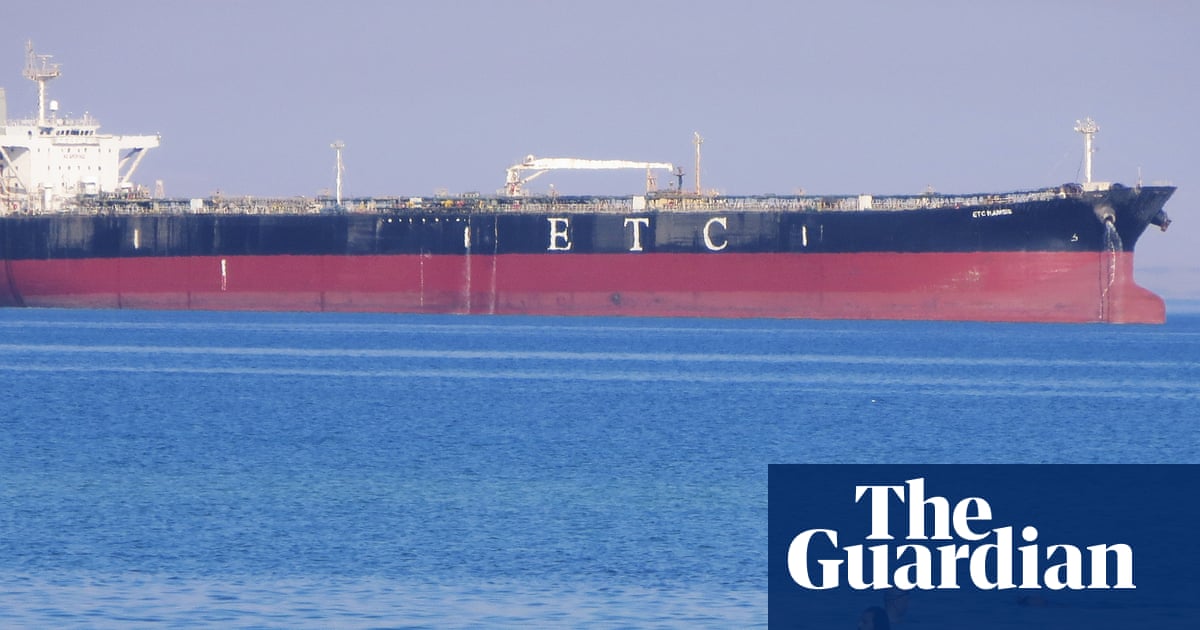
The Strait of Hormuz remains a critical chokepoint for global energy supplies, with roughly a quarter of all seaborne oil passing through the waterway. Deutsche Bank analysts indicated that rising prices signal investors are pricing in an extended closure of the strait. The geopolitical premium on crude is expected to remain high as long as the probability of reopening the waterway stays low.
On the ground, maritime activity has dwindled. According to ship tracking data from Kpler, only six commodity ships transited the strait on Monday, a slight increase from the five vessels that passed over the weekend. The UK Maritime Trade Operations agency reported an attack on a cargo ship early Tuesday, underscoring the physical dangers now facing commercial navigation in the region.
Iranian military officials have issued explicit warnings to maritime traffic. Ebrahim Zolfaghari, the Iranian military spokesperson, told Reuters that vessels attempting to pass through the strait would “find several beautiful holes in their hulls.” This declaration of a “fully offensive” stance aligns with Tehran’s broader shift toward aggression following the collapse of diplomatic efforts.
President Trump has repeatedly claimed the war would end “soon” and touted the prospect of a lasting peace deal in recent months, yet no breakthrough has materialized nearly six months into the conflict. His refusal to impose a fresh deadline on Iran contrasts with the escalating threats against regional partners like Oman, creating uncertainty about the administration’s ultimate strategy for de-escalation.
Experts warn of compounding risks. Dan Alamariu, chief geopolitical strategist at Alpine Macro, cautioned that continued fighting in the Middle East could create a “double whammy” effect on energy prices when combined with other global supply constraints. As diplomatic routes narrow and military posturing increases, the potential for broader regional conflict remains a central concern for policymakers and markets alike.
The situation remains fluid with no clear resolution in sight. While Trump asserts he is not rushing toward a deal, the expiration of the negotiation window and the subsequent hardening of Iranian positions suggest that the path to peace has become more complex. The threat against Oman highlights the fragile nature of alliances in the region and the high stakes involved in securing energy supplies.
Sources behind this briefing
Go to the original reporting
- The Guardian World↗Oil prices jump after US-Iran ceasefire expires and Trump threatens Oman
- NBC News↗Trump threatens to bomb Oman if it ‘gets in the way’ of Strait of Hormuz talks with Iran
- Bloomberg↗Watch Trump Threatens Military Action Against Oman Over Hormuz Blockade