The short version
- Donald Trump indicated a potential reversal of U.S. policy regarding the Falkland Islands, moving away from longstanding de facto support for British sovereignty.
- The shift appears driven by presidential grievances over perceived lack of allied support during recent military engagements, particularly involving Iran.
- Argentine President Javier Milei has publicly renewed claims to the territory, leveraging the diplomatic opening created by Washington's changing stance.
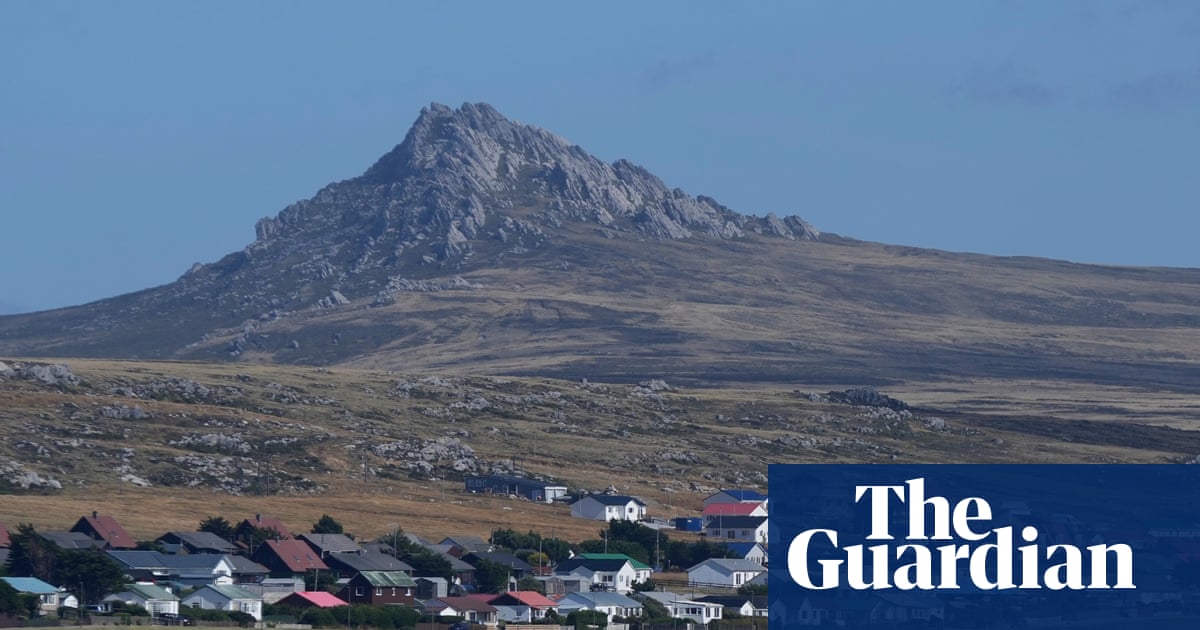
The United States may be reconsidering its traditional position on the sovereignty of the Falkland Islands, a development that signals significant strain in transatlantic relations. President Donald Trump recently suggested he is reviewing the nation’s longstanding neutral posture, which has historically amounted to implicit recognition of British control over the territory. This potential policy shift emerges against a backdrop of heightened tensions between Washington and several key allies, many of whom have faced presidential criticism for declining to participate in recent military operations.
The catalyst for this diplomatic recalibration appears to be personal grievance rather than strategic reassessment. Trump has expressed frustration that the United Kingdom, under Prime Minister Keir Starmer, did not provide military support during a conflict involving Iran. In an interview with a British cable news outlet, the president lamented that London declined his request for naval assistance, describing the response as inadequate and disappointing. This sense of betrayal has fueled a broader pattern of retribution aimed at nations perceived as failing to align with U.S. military objectives.
Argentina’s President Javier Milei has moved quickly to capitalize on this diplomatic opening. The Argentine leader announced intentions to reopen his country’s claim to the islands, known in Buenos Aires as the Malvinas. Milei, a right-wing populist who attended Trump’s inauguration and maintains close ties with the White House, views the U.S. president’s wavering support as an opportunity to advance long-standing territorial ambitions. His administration has never formally renounced its claim to the archipelago, despite the 1982 war that ended in Argentine surrender.
The dispute over the islands has remained largely dormant since the brief but bloody conflict three decades ago. British forces, dispatched by then-Prime Minister Margaret Thatcher, reclaimed the territory after Argentina’s military dictatorship invaded it. Since returning to democracy, Argentina has maintained its sovereignty claim while respecting the status quo. The islanders, numbering fewer than 2,000, have consistently affirmed their desire to remain under British rule. Any shift in U.S. policy could destabilize this fragile peace and reignite tensions in the South Atlantic.
Trump’s actions extend beyond the Falklands issue, reflecting a broader strategy of leveraging diplomatic pressure against allies who do not conform to his expectations. Joint military exercises with South Korea were recently scaled back due to Seoul’s refusal to join the Iran conflict. Similarly, thousands of U.S. troops have been withdrawn from Germany after Chancellor Friedrich Merz resisted pressure to participate in hostilities. These moves suggest a systematic effort to punish perceived disloyalty and extract concessions from traditional partners.
The United Kingdom faces particular scrutiny as Trump seeks to leverage these grievances for financial gain. Reports indicate the president may use the Falklands issue as a bargaining chip to secure increased defense spending and NATO contributions from London. The new British chancellor has already signaled difficulties in meeting elevated spending targets, adding economic pressure to diplomatic tensions. This approach marks a departure from the collaborative spirit that has defined the special relationship through two world wars and the Cold War.
Other European nations have also come under fire for their reluctance to engage in recent military campaigns. Spain faces threats related to defense budget allocations, while Italy’s Prime Minister Giorgia Meloni, once a political ally of Trump, finds herself navigating complex diplomatic waters. The pattern suggests a White House increasingly willing to prioritize personal vindication over established alliance structures. This shift raises questions about the future stability of international security frameworks.
The implications for global diplomacy are significant if this trend continues unchecked. Allies traditionally viewed as pillars of Western security now face hostility comparable to that directed at adversarial states like Russia and China. The potential ripple effects extend far beyond the immediate conflicts, threatening to reshape international alliances and undermine collective defense mechanisms. As Trump’s administration pursues its agenda of retribution, the world watches to see how deeply these fractures will penetrate the fabric of global cooperation.
What comes next remains uncertain. While Milei has seized the moment to advance Argentina’s territorial claims, the U.S. government has not issued formal policy changes regarding the Falklands. Diplomatic channels remain open, though strained, between Washington and London. The coming months will likely reveal whether this represents a temporary tactical maneuver or a fundamental restructuring of American foreign policy priorities. For now, the uncertainty itself serves as a powerful tool in Trump’s diplomatic arsenal.
Observers note that the situation underscores the volatility inherent in personalized diplomacy. When international relations hinge on individual grievances rather than institutional consensus, stability becomes elusive. The Falklands issue, long considered settled in practice if not in law, now sits at the center of a much larger debate about the role of the United States in global affairs. As tensions mount, all parties involved must navigate carefully to avoid unintended escalation.
Sources behind this briefing
Go to the original reporting
- The Guardian US Politics↗Trump’s pique with UK could lead to favor to acolyte Milei over Falklands