The short version
- President Trump stated he is considering asking the FBI to investigate the death of Nolan Wells, an 18-year-old Black college student who died on a Mississippi barrier island.
- Wells's family and legal representatives have called for federal action after a local grand jury declined to indict anyone, citing conflicting autopsy results regarding the cause of death.
- The case has drawn national attention due to allegations of racial bias in local law enforcement handling and widespread misinformation on social media platforms.
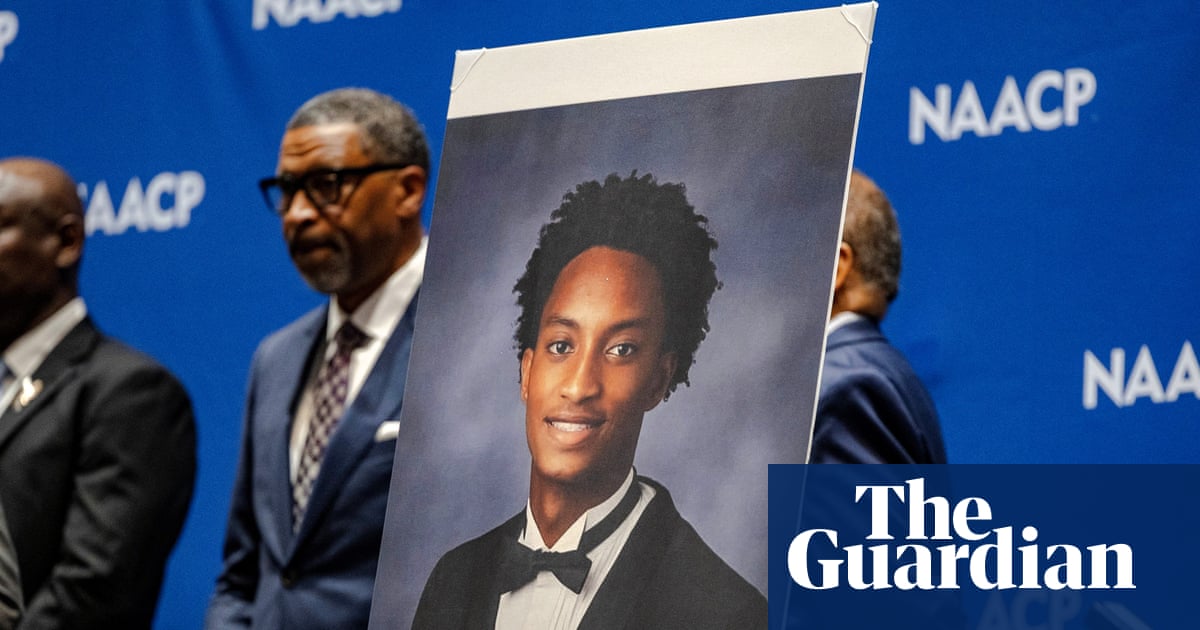
President Donald Trump indicated on Wednesday that his administration is considering requesting a federal investigation into the death of Nolan Wells, an eighteen-year-old Black college freshman who died under disputed circumstances last July. The statement marks a significant development in a case that has become a focal point for national debates regarding racial justice and law enforcement accountability. Wells was last seen alive during a boating trip with friends on Horn Island, a barrier island off the coast of Mississippi, before his body was discovered two days later.
The local investigation concluded without any criminal charges being filed. A Jackson County grand jury determined that Wells had drowned and declined to indict anyone involved in the incident. However, this conclusion has been vigorously contested by Wells's family and their legal representatives, who argue that the local authorities failed to conduct a thorough or impartial inquiry. The discrepancy between the official ruling and the family's understanding of the evidence has fueled calls for higher-level scrutiny.
Central to the controversy are conflicting medical findings regarding the cause of death. While the county investigation attributed Wells's death to drowning, an independent autopsy performed by Roger A. Mitchell Jr., a forensic pathologist and president of Howard University Hospital, reached a different conclusion. Mitchell’s report found no evidence of water in Wells’s stomach, lungs, or throat, which contradicts the drowning theory. Furthermore, the independent examination noted bruising on Wells’s head, back, left shoulder, and buttocks, suggesting potential blunt force trauma.
Ben Crump, the civil rights attorney representing the Wells family, has emphasized that these physical findings cannot be ignored. He stated that the family does not believe Wells drowned and insists that the trauma to his body requires a clear explanation. Crump and the family have maintained that the treatment they received from local officials would likely have been different if the victim were white, pointing to systemic biases in how the case was handled. This perception of unequal justice has galvanized support from various civil rights groups and political figures.
The push for a federal investigation has gained momentum through coordinated efforts by Wells's family and their allies. Crump joined forces with Cynthia Choi, executive director of Stop AAPI Hate, and several members of Congress, including Maxine Waters and Frederica Wilson, to demand action. They sent a letter to Jessica Bowron, the acting director of the US National Park Service, highlighting that much of Horn Island is federally designated land. The group urged the National Park Service’s investigative services branch to open a prompt and exhaustive inquiry into the disappearance and death.
Elmore Wonsley, Wells's father, articulated the family's position during a press conference, stating that they are not seeking special treatment but rather the truth about what happened to their son. He emphasized that because the body was found on federal land, the FBI has a jurisdictional role to play. Wonsley expressed hope that federal authorities would step in to provide the level of investigation he believes any parent deserves for their child. This appeal underscores the family's frustration with the local process and their desire for transparency.
The case has also been marred by significant misinformation on social media platforms. Following the disappearance, a photo of Wells with three white friends went viral, often accompanied by false narratives about the events leading to his death. This online activity exacerbated racial tensions and complicated the family's search for answers. The spread of inaccurate information has drawn criticism and highlighted the challenges families face when navigating public scrutiny during tragic events.
Trump’s comment that he is looking into the matter was made as he left the White House, responding to questions from reporters. While he did not commit to a specific timeline or guarantee an investigation, his acknowledgment of the case carries weight given the previous lack of federal involvement. Crump noted that it has been one hundred days since the family began seeking answers and expressed optimism that Trump’s attention could lead to a more rigorous examination of the evidence.
As the situation develops, the focus remains on whether federal authorities will intervene to resolve the lingering questions surrounding Wells's death. The independent autopsy findings, combined with the family's persistent advocacy, have created pressure for a re-examination of the case. If an FBI investigation is launched, it could provide new insights into the circumstances of Wells's death and address concerns about racial bias in local law enforcement practices.
The outcome of this potential federal probe will likely influence broader discussions on how similar cases are handled across the country. For now, the Wells family continues to advocate for justice, relying on the support of civil rights organizations and political allies to ensure that their son's death is not overlooked. The coming weeks may reveal whether the federal government will act on Trump’s consideration and provide the closure the family has sought for months.
Sources behind this briefing
Go to the original reporting
- The Guardian World↗Trump says he is considering asking FBI to investigate the death of Nolan Wells