The short version
- Donald Trump announced that his political action committee will cover costs for advertisements previously paid for with federal funds.
- Bipartisan criticism and legal concerns regarding the misuse of appropriated money prompted the administration to change its position.
- Lawmakers are demanding proof that taxpayer funding has ceased and that reimbursement will occur, citing potential statutory violations.
President Donald Trump has reversed his administration’s initial defense of using federal funds to air pro-presidential television advertisements, stating that his political action committee will now cover the expenses. The announcement comes after a significant outcry from lawmakers across the political spectrum, who condemned the practice as an improper use of taxpayer money for partisan purposes. In a social media post, Trump characterized the commercials as standard promotional efforts for the country but acknowledged the need to shift the financial burden away from the federal budget.
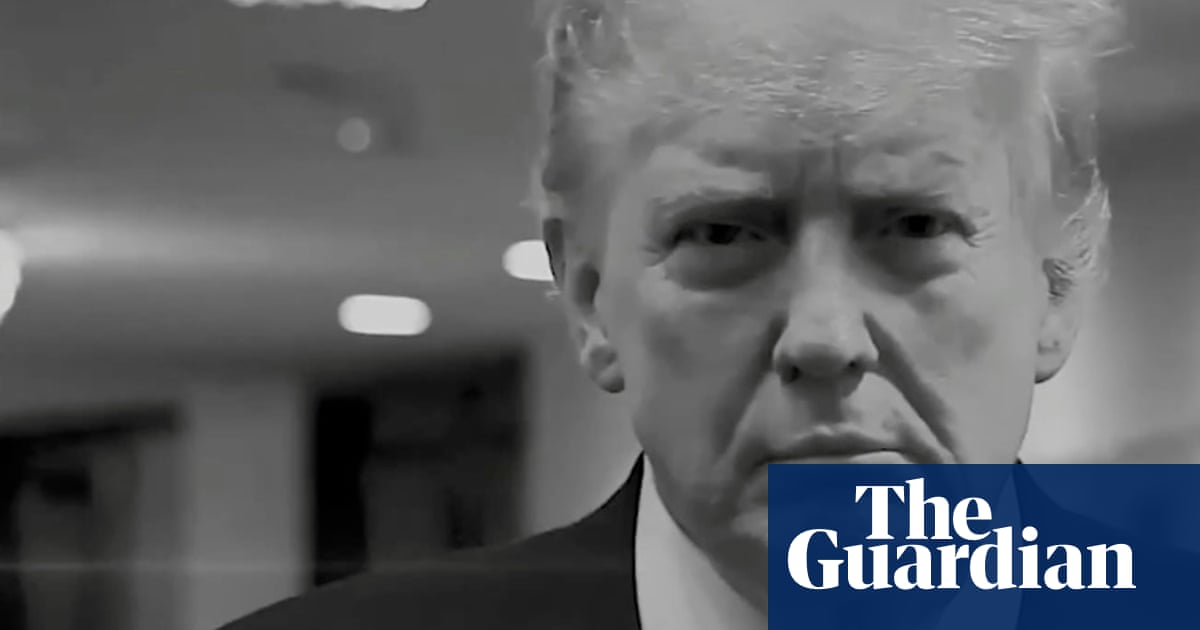
The advertisements in question began airing in late September and featured content highlighting the administration’s policy achievements and patriotic themes. One spot included clips of the president discussing economic issues alongside text promoting tax cuts and manufacturing growth. Another utilized scenic footage of Mount Rushmore paired with excerpts from a speech delivered during the nation’s 250th anniversary celebrations. A third commercial closely mirrored campaign material from his previous reelection bid, featuring warnings about globalist influences and calls to defend law enforcement.
All three broadcasts concluded with a disclaimer stating they were paid for by the United States government. This labeling intensified scrutiny, as it explicitly linked public funds to what critics described as political propaganda. According to media tracking data from AdImpact, the cost of these spots reached at least $1.4 million by the end of September. The actual expenditure could be higher if networks categorized the broadcasts as political advertising rather than standard government information campaigns, which often carry different pricing structures.
Trump’s reversal follows intense pressure from both Democratic and Republican legislators who viewed the ads as a breach of ethical norms. Two prominent Democrats, including House Judiciary Committee Chairman Jamie Raskin and California Congressman George Whitesides, formally requested investigations from federal watchdog agencies. They argued that the commercials constituted desperate pre-election propaganda and potentially violated statutes prohibiting the use of appropriated funds for publicity or partisan activities. Legal experts have echoed these concerns, noting that existing laws strictly limit government employees’ involvement in political campaigns.
Despite the announcement, details regarding the reimbursement process remain vague. Trump did not specify how his organization, MAGA Inc., would retroactively pay for ads that have already aired. The White House confirmed that future similar expenditures would be covered by the political action committee but declined to answer questions about verification methods. Critics argue that without transparent accounting, it is difficult to ensure that taxpayer dollars are no longer being diverted for political gain.
California Senator Adam Schiff emphasized the need for concrete evidence that the practice has ended. He called on the administration to demonstrate that the alleged waste of public funds has ceased and that repayment will occur in full. Schiff warned against the possibility of taxpayers being left with unpaid bills, drawing parallels to other instances where government contractors faced financial disputes. His comments reflect a broader skepticism among lawmakers regarding the administration’s commitment to fiscal responsibility.
MAGA Inc., Trump’s primary fundraising vehicle, had accumulated more than $400 million by late July. The president has recently begun utilizing these funds to support Republican candidates ahead of upcoming midterm elections. This shift suggests a strategic realignment of resources, moving from direct federal spending to private political contributions. However, the transition raises questions about the separation between official government functions and partisan campaign activities.
The controversy highlights ongoing tensions over the boundaries of executive power and public resource allocation. While the White House initially defended the ads as positive promotions for the nation, the bipartisan nature of the criticism forced a rapid policy adjustment. The incident underscores the sensitivity surrounding the use of federal funds in an election year, where even minor deviations from established norms can trigger significant political repercussions.
As investigations proceed, lawmakers and watchdog agencies will likely scrutinize the financial records associated with these broadcasts. The outcome could set precedents for how future administrations handle similar promotional efforts. Until clear proof of reimbursement is provided, skepticism regarding the administration’s adherence to legal and ethical standards is expected to persist among critics and observers alike.
Sources behind this briefing
Go to the original reporting
- The Guardian World↗Trump says Super Pac will pay for taxpayer-funded ads that sparked outcry