The short version
- Trump claimed at an Iowa rally that Democratic cheating in 2020 grants him the right to seek another term, despite acknowledging the 22nd Amendment's restrictions.
- House Speaker Mike Johnson and other allies characterize these statements as trolling tactics rather than serious legal challenges to constitutional limits.
- The president is urging supporters to vote as if he remains on the ballot during the upcoming midterm elections, a strategy that coincides with declining approval ratings.
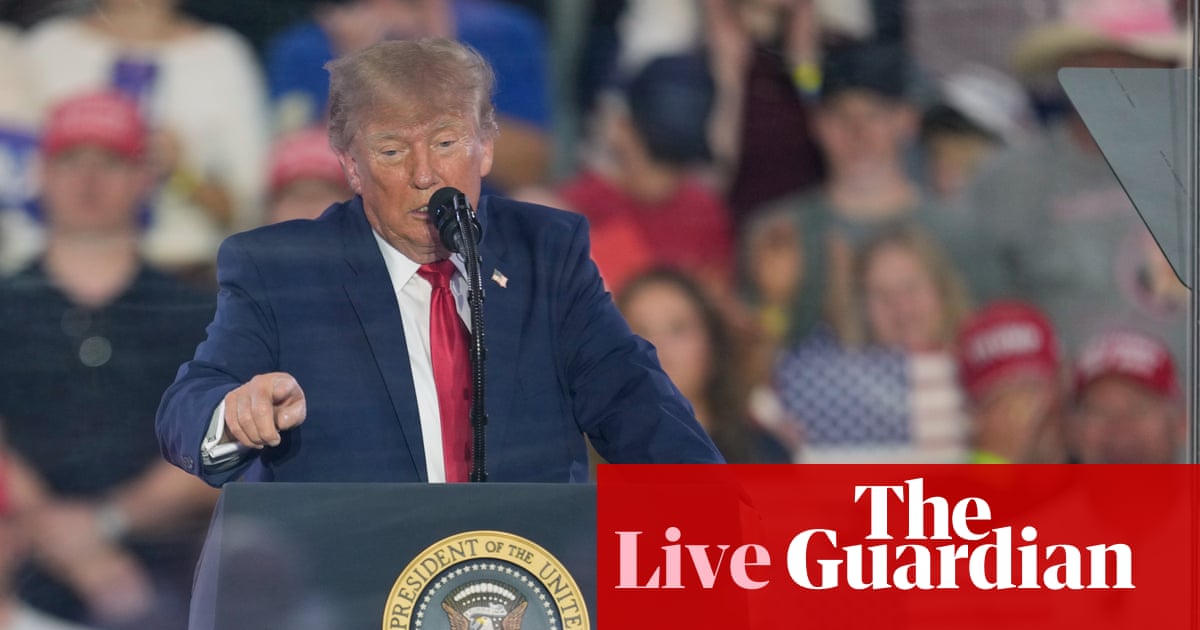
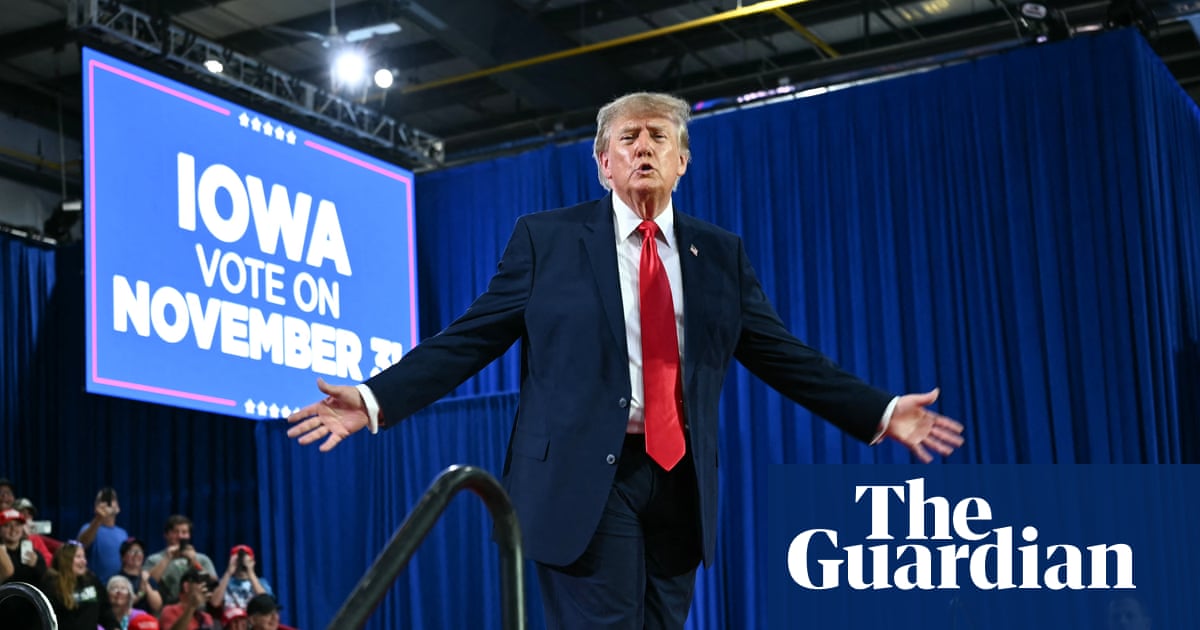
Donald Trump returned to his controversial assertion that he may be eligible for a third presidential term during a campaign event in Sioux City, Iowa, on Thursday evening. The president engaged in a rhetorical exercise with rally attendees, suggesting that the illegitimacy of the previous election cycle could override constitutional term limits. This remark continues a pattern of behavior observed throughout his current administration, where he has repeatedly teased the possibility of extending his tenure beyond the two terms permitted by the 22nd Amendment.
During the address, Trump appeared to acknowledge the strict language of the Constitution while simultaneously undermining its authority through claims of electoral fraud. He stated that he was not entirely certain of the legal standing but believed the law prohibited another run. However, he immediately pivoted to his long-standing narrative that Democrats stole the 2020 election from him. By arguing that he won that contest three times over, he posited that this alleged theft grants him a unique right to seek office again, drawing laughter and applause from the crowd.
The president’s comments reflect a deliberate ambiguity that has characterized his approach to term limits since taking office. In October 2025, Trump told reporters he would love to run for another term. Earlier this year, at a Texas rally, he suggested the nation should consider one more term, claiming he was entitled to it. These public statements have been accompanied by commercial ventures, including the sale of 'Trump 2028' hats in his official store. He even wore such merchandise during the White House Correspondents’ Dinner in July, signaling a sustained engagement with the concept of a third term.
Political allies within the Republican Party have largely dismissed these assertions as performative rather than substantive. Mike Johnson, the Speaker of the House, characterized Trump’s comments as a form of trolling directed at Democratic opponents. Johnson indicated that he did not view there to be any viable pathway for amending the Constitution to allow a third term. This perspective suggests that key Republican leaders do not intend to pursue legal or legislative challenges to the 22nd Amendment, treating the president’s remarks as campaign theater designed to energize his base.
Conversely, political opponents and legal analysts have expressed concern that Trump may be serious about challenging constitutional norms. The persistence of these claims raises questions about the stability of democratic institutions if a sitting president actively encourages supporters to believe that established laws are negotiable. Trump himself has noted the conciseness of the 22nd Amendment, admitting there is little wiggle room in its text. He quoted the amendment as stating that under no circumstances should one consider running for president if they have already served two terms.
The practical impact of this rhetoric extends beyond legal theory into electoral strategy. Trump has urged his supporters to vote in the upcoming November midterm elections as though he is personally on the ballot. This unconventional approach aims to boost Republican turnout and help the party gain more seats in Congress. By framing the midterms as a referendum on his own potential return, Trump seeks to leverage his loyal base’s enthusiasm despite broader polling data showing his approval ratings have fallen to new lows.
The disconnect between Trump’s public statements and constitutional reality highlights a significant tension within American politics. While the Constitution unequivocally bars him from seeking another term, his refusal to fully retract the possibility keeps the issue alive in political discourse. The strategy appears designed to maintain high engagement among his most dedicated supporters, who remain loyal regardless of legal constraints. This dynamic complicates the political landscape as the midterm elections approach.
As the election cycle progresses, the effectiveness of this strategy remains uncertain. Trump’s approval ratings have declined, suggesting that his base may not be sufficient to drive significant gains for Republicans in Congress. The impact of urging voters to treat a third-term possibility as real will likely be measured by turnout numbers and seat changes in November. Until then, the president’s comments serve as a reminder of the ongoing debate over electoral integrity and constitutional adherence.
Legal experts continue to emphasize that the 22nd Amendment is clear and binding. There is no precedent for a president to override term limits based on claims of past election fraud. The Supreme Court has not been asked to rule on this specific issue, nor have Republican lawmakers proposed legislation to change the amendment. Consequently, Trump’s remarks remain largely symbolic, serving more as a tool for mobilization than a genuine legal challenge.
The situation underscores the broader challenges facing American democracy in an era of heightened political polarization. When a sitting president questions the validity of constitutional provisions, it erodes public trust in institutional norms. Whether these comments are viewed as jokes or serious threats depends largely on one’s political perspective. For now, the focus remains on the upcoming midterms and how Trump’s unique campaigning style influences voter behavior.
Sources behind this briefing
Go to the original reporting
- The Guardian US Politics↗Trump jokes he has the ‘right’ to run for a third term as president