The short version
- President Trump promised every American citizen would receive $5,000 if Republicans win the midterm elections, a pledge made without explaining how the trillion-dollar cost would be funded.
- Fiscal conservatives and legal experts question the feasibility of the plan, noting that executive orders likely cannot authorize such spending and that many Republican lawmakers oppose unfunded mandates.
- The announcement coincides with historically low approval ratings for the president and growing voter concern over inflation and the ongoing conflict in Iran.
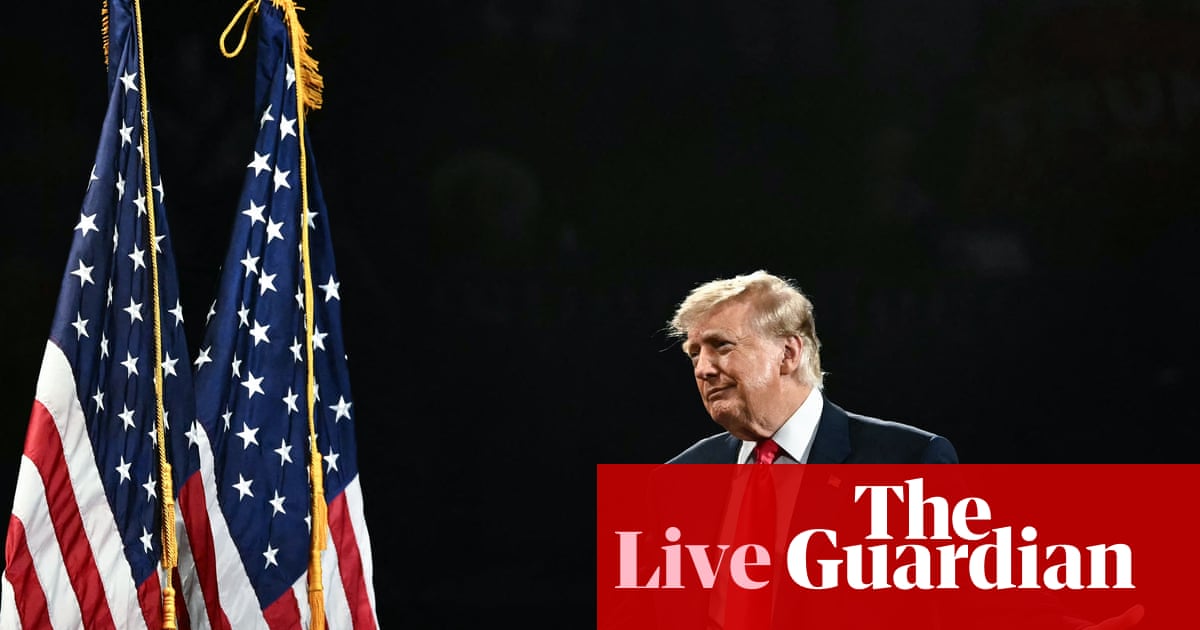
President Donald Trump has intensified his campaign efforts for the upcoming midterm elections by promising a direct cash payment of $5,000 to every American citizen, contingent on Republicans retaining control of Congress. The pledge was delivered during an address at the Republican convention in Dallas, Texas, marking a significant escalation in the president’s strategy to mobilize voters just weeks before Election Day. Unlike traditional policy proposals that undergo legislative scrutiny or detailed budgetary analysis, this announcement was made abruptly and without accompanying specifics on implementation.
The financial implications of the promise are staggering. With the U.S. population exceeding 330 million, distributing $5,000 to each adult would require more than one trillion dollars in new spending. Trump offered no explanation for how this sum would be raised or distributed, leaving a critical gap between the political rhetoric and fiscal reality. When pressed for details, the White House issued a statement praising the president’s ability to defy expert predictions but provided no further information on the mechanics of the plan. This lack of transparency has fueled speculation about whether the pledge is a serious policy proposal or primarily a motivational tool for the base.
Legal and procedural obstacles appear substantial. Constitutional experts suggest that the president lacks the authority to approve such vast expenditures through executive order alone, as spending power resides with Congress. Trump hinted during media appearances that congressional approval might not be necessary, yet he also acknowledged that lawmakers would likely act if required. However, many Republican representatives, particularly those aligned with fiscal conservatism, have historically opposed large-scale unfunded spending initiatives. The prospect of appropriating another trillion dollars without a clear revenue source is expected to face fierce resistance within the House and Senate.
Reaction from within the Republican Party has been mixed, reflecting deep divisions over economic policy and party loyalty. While supporters in the convention arena responded with enthusiastic applause, many elected officials remained silent or critical. Senator Susan Collins, who skipped the Dallas event to campaign in her home state of Maine, emphasized that tax and spending decisions should be based on economic needs rather than electoral outcomes. Representative Thomas Massie, a conservative who recently lost his primary after criticizing Trump, mocked the offer as an insult to voters’ integrity, suggesting that if votes were for sale, the price would need to be higher.
Former Representative Bob Good characterized the proposal as a socialist vote-buying scheme, highlighting the tension between Trump’s populist appeals and traditional conservative principles. This disconnect underscores a broader challenge for the party: balancing the president’s unconventional tactics with the expectations of moderate voters and fiscal hawks who are crucial in competitive districts. Many Republicans in tight races avoided the convention altogether, focusing instead on local issues that resonate with swing voters and independents who may be skeptical of such extravagant promises.
Democrats have swiftly dismissed the pledge as an empty promise, pointing to previous unfulfilled commitments by the president. Voters still await the $2,000 checks Trump previously promised would come from tariff revenues, and payments linked to Elon Musk’s proposed spending cuts have never materialized. While Trump has delivered on some initiatives, such as the Trump saving accounts for children born during his term and a one-time payment to military members, these were smaller in scale and had clearer funding mechanisms. The contrast between past failures and current promises adds to the skepticism surrounding the $5,000 offer.
The timing of the announcement suggests a response to mounting political pressure. Trump faces historically low approval ratings as the midterm elections approach, with voters increasingly concerned about affordability and inflation. Although inflation has decreased from its post-pandemic peak, it remains stubbornly high, affecting household budgets across the country. Additionally, the ongoing war in Iran has grown unpopular, with rising fuel prices exacerbating economic anxieties. These factors have created a challenging environment for the president’s party, which traditionally struggles to maintain power during midterm elections.
Trump’s strategy appears designed to energize his base through high-stakes rhetoric and direct appeals. During his speech, he urged attendees to commit to voting regardless of registration status, using provocative language to emphasize the stakes. This approach aligns with his broader political style, which often prioritizes emotional engagement over procedural norms. However, the effectiveness of such tactics in persuading undecided voters remains uncertain, particularly when the promises lack concrete details or feasible funding plans.
As the election draws nearer, the focus will likely shift from grand announcements to specific policy debates and candidate viability. The $5,000 pledge may serve as a rallying cry for supporters, but its impact on the final outcome will depend on how voters weigh economic concerns against political loyalty. With less than two months remaining, both parties are intensifying their efforts to turn out voters, making every announcement and controversy potentially significant in shaping the narrative of the midterms.
Ultimately, the promise highlights the unique dynamics of Trump’s presidency, where bold claims often outpace legislative reality. Whether viewed as a sign of panic or a calculated risk, the pledge underscores the high stakes of the upcoming elections. As Republicans navigate internal divisions and external pressures, the ability to deliver on such promises—or explain their absence—will be a key test of their political resilience and credibility in the eyes of the American electorate.
Sources behind this briefing
Go to the original reporting
- The Guardian US Politics↗Trump doubles down on pledge of $5,000 payments if his party retains control of Congress as he address convention a second time – live
- BBC News↗Is Trump's $5,000 pledge a sign of panic?