The short version
- President Trump promised a $5,000 payment to every adult American if Republicans win both chambers of Congress in November.
- Vice President JD Vance suggested tariff revenues could fund the plan, though no legislative path or monitoring system has been outlined.
- Critics question the legality and feasibility of the pledge, noting it would cost over $1 trillion during a period of economic strain.
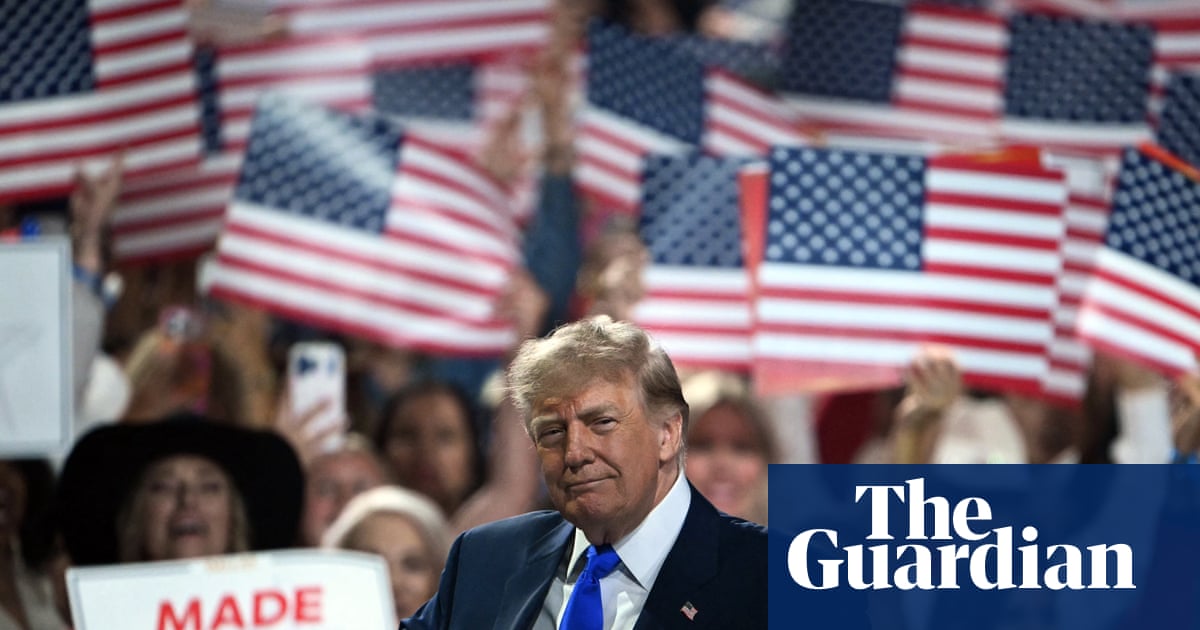
President Donald Trump delivered an unconventional campaign pitch at the Republican Party’s first-ever midterm convention in Dallas, pledging to distribute $5,000 to every adult citizen in the United States if his party retains control of both the House and Senate. The announcement, made during a lengthy address that also defended the administration’s military actions abroad, drew enthusiastic applause from attendees but immediately sparked debate over its financial viability and legal standing.
The proposed payout, which Trump labeled a dividend for American workers, would require more than $1 trillion in spending given the current adult population of nearly 270 million. The president offered no specific details on how the funds would be appropriated or monitored, only insisting that recipients must spend the money within the United States rather than abroad. He framed the offer as a reward for the nation’s economic performance, claiming his second term had been historically successful financially.
Vice President JD Vance attempted to clarify the funding mechanism by linking the potential payouts to revenue generated from the administration’s expansive tariff program. Vance argued that these tariffs have collected extraordinary sums from foreign entities and countries, creating a surplus that could support such domestic dividends. However, he did not specify whether this revenue is legally earmarked for direct citizen payments or if new legislation would be required to redirect those funds.
Legal and logistical experts have raised significant concerns about the proposal. In the United States, Congress holds the power of the purse, meaning any such distribution would require legislative approval regardless of which party controls the chambers. Furthermore, there is no established mechanism for verifying that recipients spend the money domestically, raising questions about enforcement and administrative costs. Some observers noted that while political figures have previously promised economic relief tied to electoral outcomes, a blanket cash dividend of this scale is unprecedented.
Democratic leaders dismissed the pledge as an empty gesture designed to distract from broader policy failures. Ken Martin, chair of the Democratic National Committee, criticized the convention as a spectacle aimed at bolstering the president’s ego rather than addressing substantive governance issues. He argued that the proposal highlighted the administration’s inability to deliver tangible results without resorting to unfeasible promises.
The timing of the announcement coincides with growing public frustration over rising living costs, partly attributed to the ongoing conflict with Iran and subsequent disruptions in global energy markets. The Strait of Hormuz has seen reduced traffic due to retaliatory actions by Iranian forces, contributing to volatile oil prices. Trump acknowledged that the war would not conclude before the November elections and warned voters that economic relief through lower energy costs would follow only after securing electoral victory.
Republican strategists view the pledge as a high-stakes gamble to counter historical trends showing presidential parties typically losing seats in midterm elections. With competitive candidates largely absent from the convention due to the president’s low approval ratings, the administration appears to be relying on direct appeals to voters rather than traditional candidate-focused messaging. The success of this strategy remains uncertain as the election approaches.
As the November 3 vote nears, the feasibility of the $5,000 dividend will likely remain a central point of contention. Without clear legislative pathways or funding sources identified by the White House, the promise serves more as a rhetorical tool than a concrete policy proposal. Voters and analysts alike are left to weigh the political symbolism against the practical realities of federal budgeting and international economic pressures.
Sources behind this briefing
Go to the original reporting
- The Guardian World↗Trump makes highly unusual promise of $5,000 for all if Republicans win midterms | First Thing
- BBC World↗Trump says every adult American will get $5,000 if Republicans win midterms
- The Guardian US Politics↗Trump: we will pay every US citizen $5,000 if Republicans win midterms – video

