The short version
- The Trump administration has delayed the implementation of proposed 50% tariffs on Canadian goods for three days following late-night negotiations.
- Canadian Prime Minister Mark Carney confirmed substantial progress toward a trade deal, though he noted that significant work remains to finalize the agreement.
- President Trump simultaneously suggested the potential revival of the Keystone XL pipeline, a project previously halted by the Biden administration in 2021.
The United States has temporarily suspended plans to impose steep tariffs on Canadian imports, averting an immediate economic shock that was scheduled to take effect late Tuesday. President Donald Trump announced via social media that the duties would be paused for three days, citing a developing agreement between Washington and Ottawa. This reprieve comes hours before the penalties were set to impact approximately $20 billion worth of goods, ranging from agricultural products like wine and dairy to manufactured items such as hockey sticks.
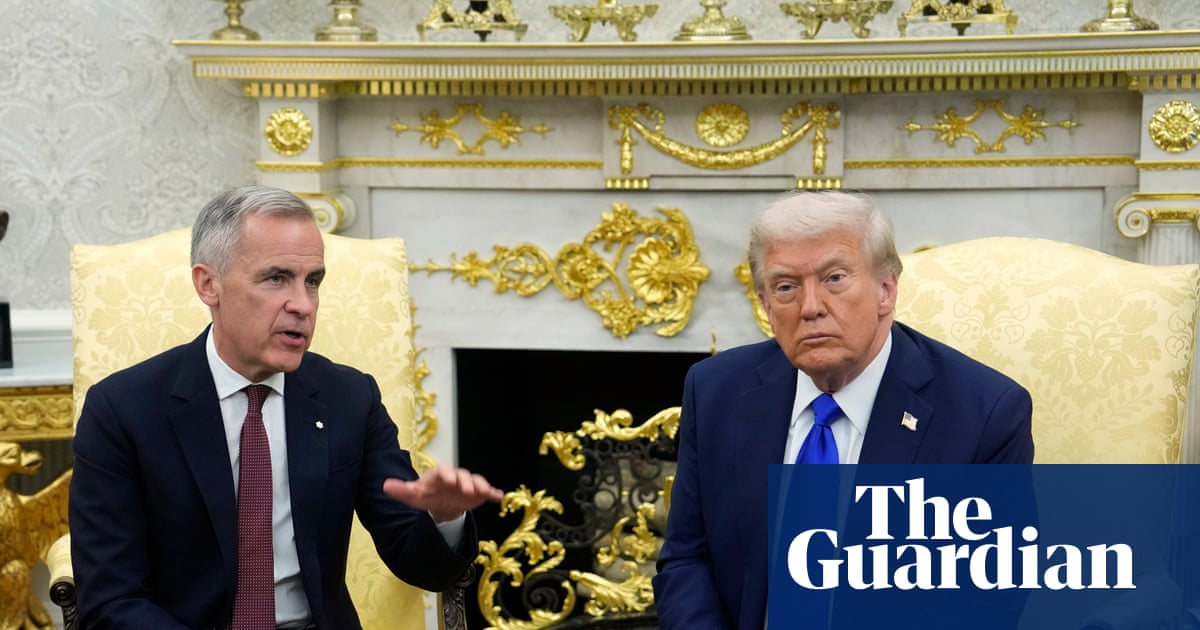
The pause reflects the culmination of intense diplomatic efforts over recent days. Canadian Prime Minister Mark Carney described the negotiations as delicate but reported that substantial progress had been made toward a comprehensive trade deal. He emphasized that while the immediate threat has receded, further work is required to finalize the documents and secure a lasting resolution. The administration’s decision to delay rather than cancel the tariffs suggests that the agreement remains tentative and subject to final verification.
This development marks a significant shift in a year defined by escalating tensions between the two longstanding allies. Relations have been strained by reciprocal trade measures and public disputes, including remarks from President Trump suggesting Canada might become a US state. In February 2025, the White House imposed a 25% tariff on Canadian goods, arguing that Canada had failed to adequately address cross-border illegal immigration and drug trafficking. Ottawa responded with its own levies, rejecting the US claims as unwarranted and asserting that less than 1% of fentanyl and illegal crossings originated from Canadian territory.
Tensions escalated further in July 2026 when the Trump administration announced the proposed 50% tariffs. Officials stated these measures were intended to hold Canada accountable for what they characterized as discrimination against US-produced automobiles, alcohol, and dairy products. The threat of such high duties raised serious concerns among Canadian business owners about financial devastation and unsustainable export costs. Notably, certain goods previously protected under the United States-Mexico-Canada Agreement (USMCA) were not shielded from this latest round of proposed penalties, highlighting the fragility of existing trade frameworks.
In a separate but potentially related development, President Trump hinted at the revival of the Keystone XL oil pipeline project in the same post where he announced the tariff pause. He stated that the contentious infrastructure initiative may be awoken from the grave, though he provided no further details or explicit linkage to the trade negotiations. The pipeline, originally proposed in 2008, was designed to transport crude oil from Canada’s western tar sands to US refiners across a 1,200-mile route.
The Keystone XL project has been a flashpoint in North American energy politics for years. It was halted in 2021 after owner TC Energy abandoned the plan following President Joe Biden’s revocation of a key permit required for the US segment of the construction. The project faced sustained opposition from environmental groups, Native American tribes, and landowners concerned about potential oil spills and ecological damage. These concerns are part of a broader pattern of resistance against major North American pipeline projects, including Dakota Access and Enbridge Line 3.
The economic stakes for both nations remain high. Trade between the US and Canada is robust, with estimates placing bilateral commerce at roughly $909 billion in 2024. The uncertainty surrounding these tariffs has created volatility for businesses that rely on seamless cross-border supply chains. While the three-day pause provides a brief window of relief, it does not resolve the underlying disputes over trade practices, border security, and energy policy that have driven the conflict.
What comes next depends on the finalization of the documents mentioned by President Trump. If the agreement holds, it could stabilize relations and prevent the severe economic disruption feared by Canadian exporters. However, if negotiations stall, the tariffs could be reinstated, leading to a prolonged trade war that would impact consumers and industries in both countries. The potential revival of Keystone XL adds another layer of complexity, as it could reignite environmental debates and alter the energy landscape between the two nations.
The situation underscores the volatile nature of current US-Canada relations under the Trump administration. With tit-for-tat measures and public posturing characterizing the past year, the pause in tariffs represents a fragile de-escalation rather than a definitive resolution. Stakeholders on both sides of the border are likely to monitor the coming days closely for signs of whether this diplomatic breakthrough will lead to a durable peace or merely a temporary ceasefire before further confrontations.
Sources behind this briefing
Go to the original reporting
- The Guardian US Politics↗Trump hits pause on Canada tariffs threat, and hints at revival of Keystone XL oil pipeline project