The short version
- Donald Trump appointed Stephen Miller as White House Chief of Staff, replacing Susie Wiles, just days after Democrats won the midterm elections.
- Democratic leaders condemned the move as evidence that Trump ignores voter sentiment, labeling Miller a xenophobe and extremist responsible for harsh immigration policies.
- Republican allies praised Miller as a loyal advocate for the Trump agenda, though some GOP figures expressed displeasure with the decision.
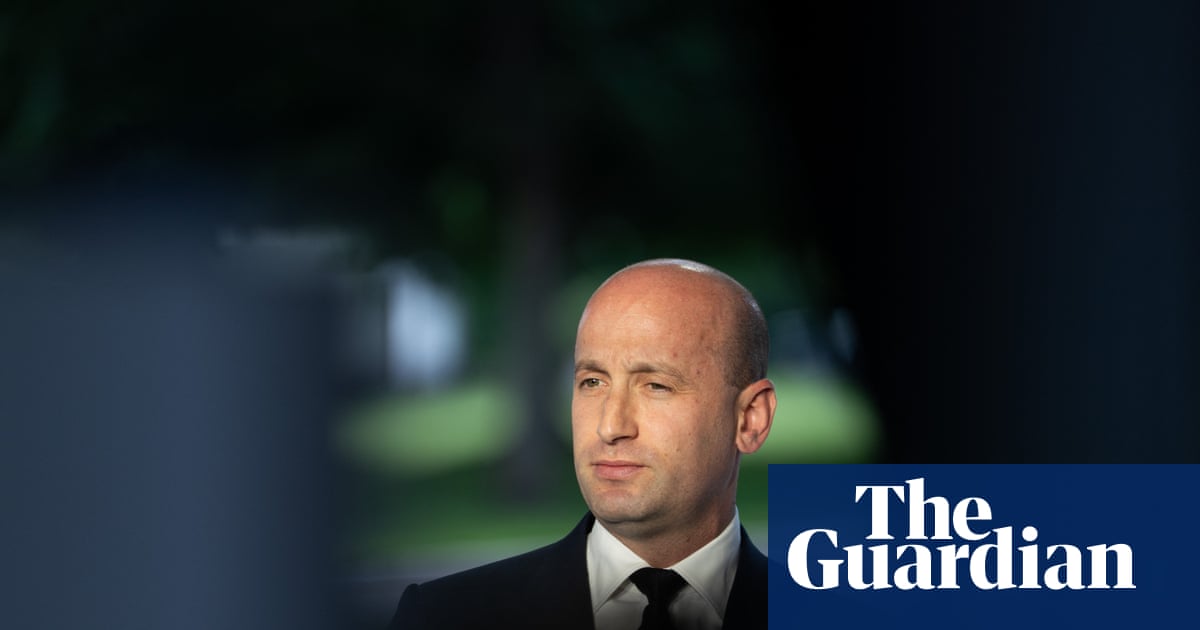
President Donald Trump has appointed Stephen Miller, his deputy chief of staff and a central architect of the administration’s strict immigration policies, to the position of White House Chief of Staff. The announcement was made abruptly on Friday afternoon via Truth Social, confirming that Miller would replace Susie Wiles, who had been ousted from the role. The timing of the promotion has drawn immediate scrutiny, occurring just days after voters delivered a decisive rebuke to Trump’s agenda in the midterm elections, resulting in Democrats regaining control of Congress.
Miller’s elevation to the top administrative post marks a significant intensification of his influence within the executive branch. Previously serving as deputy chief of staff, Miller has been widely identified as the driving force behind the administration’s mass deportation agenda and other hardline immigration measures. He is also an author of the rightwing Project 2025 manifesto and has frequently appeared on television to defend controversial policy proposals, including ending birthright citizenship and suggesting military action in Greenland. His promotion signals a continued commitment to these ideological priorities despite the shifting political landscape.
Democratic lawmakers reacted with swift and severe criticism, characterizing Miller as a dangerous figure whose presence at the highest level of government reflects a disregard for the electorate’s will. Senator Dick Durbin of Illinois described Miller as a “hatemonger,” stating that the promotion showed Trump had “learned nothing” from his recent electoral defeat. Chuck Schumer, who is expected to become Senate majority leader, echoed this sentiment, calling the appointment a “worse choice” and evidence of Trump’s failure to acknowledge the historic loss.
Other Democratic leaders used stronger language to denounce the move. Hakeem Jeffries, the top Democrat in the House of Representatives, labeled Miller a “dangerous xenophobe and reckless extremist who has American blood on his hands,” demanding his immediate removal. Senator Chris Van Hollen of Maryland called the decision “another kick in the teeth to the American people” and a sign of contempt for voters. Gavin Newsom, the outgoing governor of California, described Miller as one of the most “vile thugs” to enter the Oval Office, framing the appointment as an insult to those who voted for change.
In contrast, Trump’s Republican allies and White House aides celebrated the announcement, framing Miller as a steadfast defender of the administration’s core values. Steven Cheung, the White House communications director, referred to Miller as a “Trump OG” and asserted that no one is a bigger advocate for the Trump agenda than Miller. Senator Mike Lee of Utah praised Miller as a staunch defender of law and order against what he described as illegal invasions and leftist lawlessness.
Support also came from high-ranking cabinet members, including Vice President JD Vance, Defense Secretary Pete Hegseth, Health Secretary Robert F. Kennedy Jr., and Secretary of State Marco Rubio, all of whom praised Miller’s record. Senator Eric Schmitt of Missouri argued that the country is at a pivotal point and that Miller understands what is at stake. However, not all Republicans were pleased by the decision, indicating internal divisions within the party regarding the direction of the administration in the wake of the midterm losses.
The appointment underscores the deep polarization surrounding Trump’s governance style and policy priorities. While Democrats view Miller’s rise as a provocative escalation that ignores the mandate delivered by voters, Republicans see it as a necessary reinforcement of leadership committed to the president’s original vision. The move sets the stage for intensified legislative battles in the newly Democratic-controlled Congress, particularly regarding immigration enforcement and executive authority.
As Miller assumes his new role, questions remain about how he will navigate the constraints of a divided government. His history of aggressive policy advocacy suggests that conflicts with congressional Democrats are likely to intensify. The appointment also raises broader concerns about the administration’s responsiveness to electoral outcomes, with critics arguing that it demonstrates a pattern of doubling down on controversial strategies rather than seeking compromise or reflection.
The immediate aftermath of the announcement has been dominated by rhetorical clashes rather than policy details. While White House officials emphasize Miller’s loyalty and effectiveness, opponents warn of potential abuses of power and further erosion of democratic norms. The coming weeks will likely reveal how this leadership change impacts the administration’s ability to advance its agenda in a hostile legislative environment.
Ultimately, the appointment of Stephen Miller as Chief of Staff serves as a stark indicator of the Trump administration’s priorities in the second half of his term. It reflects a strategy that prioritizes ideological consistency over political adaptation, setting the tone for a period of heightened conflict between the executive branch and the newly empowered Democratic majority in Congress.
Sources behind this briefing
Go to the original reporting
- The Guardian World↗Trump faces criticism for ‘dangerous’ Stephen Miller appointment as White House chief of staff
- PBS↗What Trump picking Stephen Miller for chief of staff signals about his agenda