The short version
- CNN was removed from the television pool rotation for presidential travel, replaced by Real America’s Voice, which lacks live broadcast capabilities.
- President Trump told an MS Now correspondent to be quiet after she asked if he only wanted supportive outlets in the press pool.
- A federal judge temporarily restored credentials for blacklisted networks, but administration officials continued to restrict their access to specific events.
Tensions between the White House and major news organizations reached a new peak this weekend as the administration took concrete steps to exclude critical broadcasters from official coverage. The move marks a significant escalation in the ongoing conflict over press access, following days of legal battles and public disputes regarding which outlets are permitted to document the president’s activities.
On Friday, officials removed CNN from the rotating schedule of television networks responsible for providing pool coverage during presidential travel. This decision meant that CNN correspondents were barred from boarding Air Force One as the president departed for a trip to Tennessee. The exclusion was not merely a logistical adjustment but appeared to be a deliberate punitive measure against the network, which the president has frequently criticized.
In place of CNN, the administration selected Real America’s Voice, a pro-Trump media outlet, to accompany the president on the flight. This choice raised immediate questions about the quality and reach of the coverage provided to the public. Unlike major broadcast networks, Real America’s Voice does not possess the technical infrastructure to deliver live video feeds to other broadcasters or news aggregators.
The practical result of this substitution was a significant reduction in available footage from the trip. The partisan network shared only a limited number of clips on social media platforms rather than providing comprehensive live coverage. Among the few images released was video showing the president’s likeness displayed on a stadium jumbotron during a college football game in Knoxville, accompanied by celebratory captions.
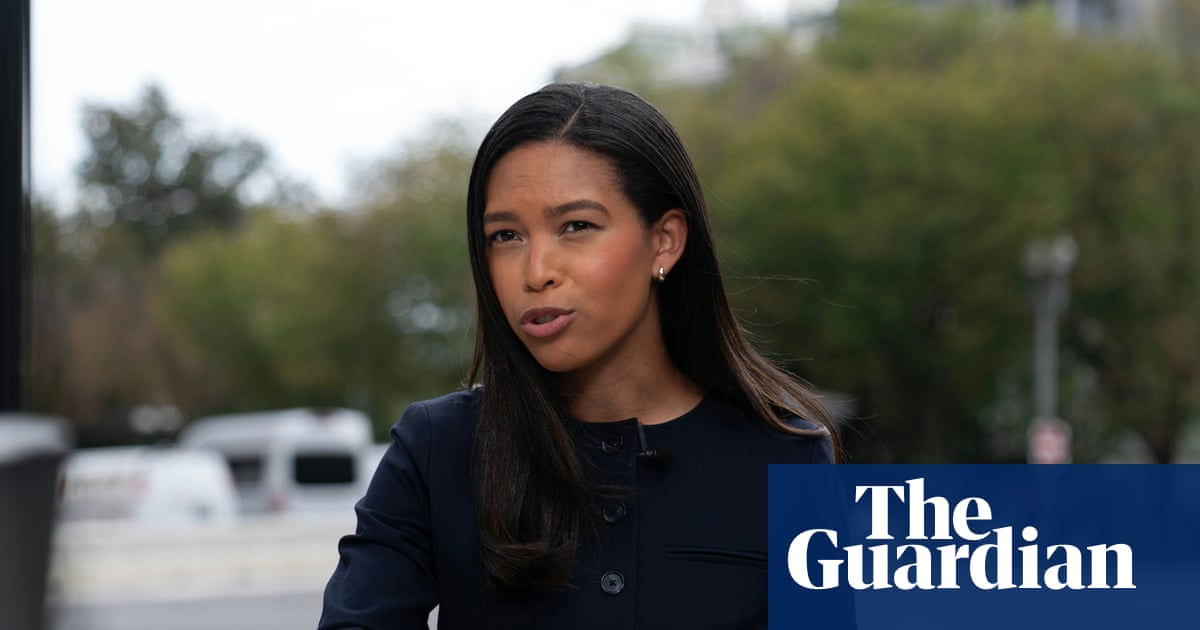
The confrontation extended beyond logistical exclusions to direct interactions between the president and journalists. As Trump left the White House early Saturday, he faced questioning from Akayla Gardner, a correspondent for MS Now. When she asked whether he only wanted outlets that supported him in the press pool, the president responded by labeling her reporting as fake news.
The exchange grew more heated when Gardner pressed further, asking if the president did not want tough questions. Trump instructed her to be quiet before continuing his critique of the network’s coverage. This incident was not broadcast live due to CNN’s exclusion from the pool but was later posted on social media by White House officials, highlighting the administration’s control over the dissemination of these moments.
This weekend’s events follow a broader pattern of escalating friction that began last week when administration officials revoked credentials for MS Now, Politico, and CNN. The president had characterized this action as a ban on the free press, though legal challenges quickly followed. A federal judge issued a temporary order restoring access for the blacklisted outlets on Thursday.
Despite the judicial intervention, restrictions remained in place for specific high-profile events. On Thursday evening, aides prevented reporters from MS Now and CNN from covering a state dinner honoring Chinese President Xi Jinping. The White House Correspondents’ Association, which traditionally coordinates pool assignments, has seen its role diminished as the administration seized control of selecting daily television coverage providers.
Media analysts have warned that these actions set a dangerous precedent for press freedom. Brian Stelter, CNN’s chief media analyst, noted that the exclusion of one major network could easily expand to others in the future. The administration’s strategy appears designed to limit exposure to unfavorable reporting while amplifying supportive narratives through aligned media partners.
The situation remains fluid as legal and political pressures continue to mount. While some access has been temporarily restored by court order, the administration’s willingness to bypass traditional press protocols suggests that further disruptions are likely. The long-term impact on the relationship between the executive branch and the free press remains uncertain.
Sources behind this briefing
Go to the original reporting
- The Guardian US Politics↗Trump tells female MS Now reporter to ‘be quiet’ amid questions on press pool ban