The short version
- Donald Trump blamed Volodymyr Zelensky for failing to end the war with Russia during a recent public appearance.
- Trump defended his administration's decision to waive certain sanctions against Russia, linking it to his broader diplomatic strategy.
- The remarks have sparked debate over US foreign policy priorities and the role of American leadership in global conflicts.
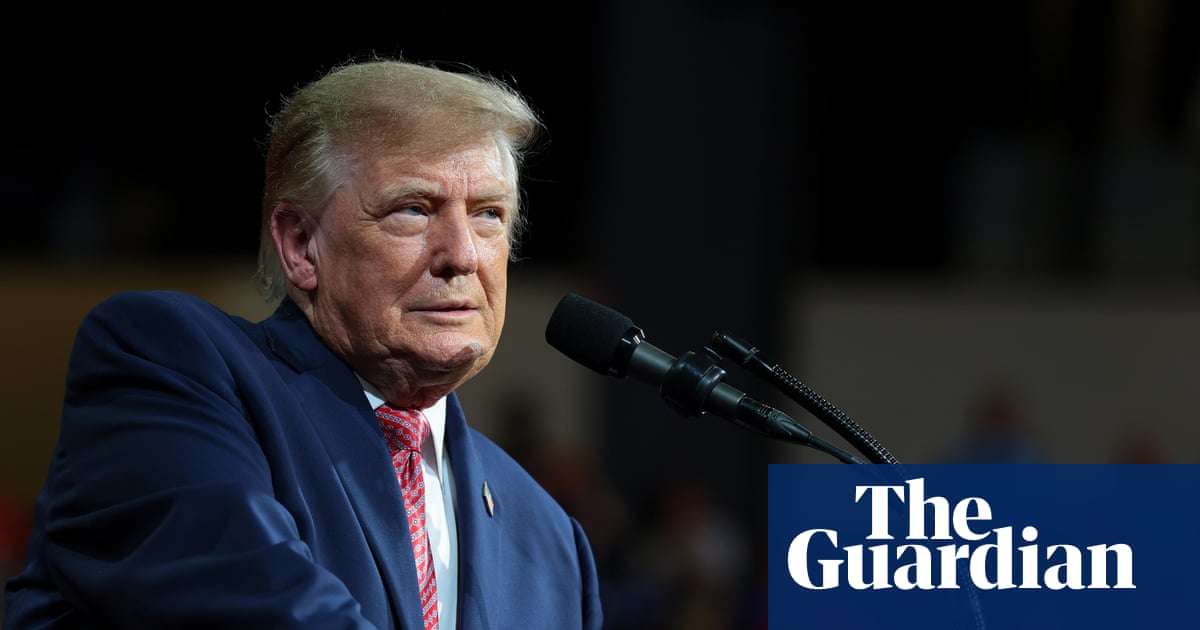
Donald Trump has drawn significant attention for his recent comments attributing responsibility for the continuation of the war in Ukraine to President Volodymyr Zelensky. During a public appearance, Trump argued that Zelensky is not doing enough to end the conflict, a stance that contrasts sharply with the prevailing US government position supporting Ukrainian sovereignty and territorial integrity. The remarks have reignited debates about America’s role in the ongoing geopolitical struggle.
In addition to blaming Zelensky, Trump defended his administration’s decision to waive certain sanctions against Russia. He framed these waivers as part of a broader diplomatic strategy aimed at facilitating negotiations and reducing tensions. Critics argue that such actions undermine efforts to hold Russia accountable for its aggression, while supporters contend that they offer a pathway to de-escalation. The justification for waiving sanctions remains a contentious issue within political circles.
C-SPAN covered the event, providing footage of Trump’s defense of his policies. The broadcast highlighted his assertion that Zelensky bears responsibility for the war’s persistence. This perspective shifts the focus from Russian actions to Ukrainian leadership, suggesting that diplomatic solutions are being hindered by Kyiv rather than Moscow. Such a narrative challenges conventional wisdom regarding the causes and resolution of the conflict.
NewsCord reported on Trump’s accusations against Zelensky, noting that several outlets may have overlooked key aspects of his argument. The coverage emphasized the potential implications of these remarks for US-Ukraine relations. If adopted as official policy, such a stance could lead to reduced support for Ukraine, including military aid and diplomatic backing. This shift would have profound consequences for the balance of power in Eastern Europe.
The timing of Trump’s comments is notable, occurring amid ongoing discussions about US foreign policy priorities. His remarks reflect a broader skepticism toward international alliances and multilateral agreements. By positioning Zelensky as an obstacle to peace, Trump aligns himself with isolationist sentiments that question the value of prolonged engagement in overseas conflicts. This approach resonates with some segments of the electorate who prioritize domestic issues.
However, the assertion that Zelensky is responsible for the war’s continuation has been met with criticism from experts and policymakers. Many argue that Russia’s invasion is the primary driver of the conflict, and that holding Ukraine accountable ignores the reality of military aggression. The debate underscores deep divisions within the US political landscape regarding how to address global security challenges.
Trump’s defense of waiving Russian sanctions further complicates the picture. Sanctions have been a key tool in pressuring Russia to cease its hostilities. By relaxing these measures, Trump suggests that economic pressure is less effective than direct negotiation. This perspective raises questions about the credibility of US commitments to allies who rely on sanctions as a deterrent against aggression.
The implications of these remarks extend beyond rhetoric. If Trump were to return to office or influence policy from outside government, his stance could shape future decisions regarding Ukraine and Russia. The potential for reduced support for Kyiv looms large, affecting not only the current conflict but also long-term regional stability. Allies in Europe are likely closely monitoring these developments with concern.
Public reaction to Trump’s comments has been mixed. Supporters view his approach as pragmatic and focused on ending a costly war, while opponents see it as appeasement that rewards aggression. The discourse reflects broader societal divisions over foreign policy objectives and the role of the United States in global affairs. As the debate continues, the impact of these remarks on public opinion and political strategy remains to be seen.
Ultimately, Trump’s blaming of Zelensky and defense of sanctions waivers represent a significant departure from traditional US foreign policy. The incident highlights the ongoing tension between interventionist and isolationist approaches to international conflicts. As the war in Ukraine persists, the arguments surrounding responsibility and resolution will continue to shape political discourse and policy decisions.
Sources behind this briefing