The short version
- President Trump signed a proclamation designating the Oval Office and Cabinet Room as national monuments to prevent future alterations.
- The move follows significant midterm election losses for his party and coincides with ongoing major construction projects at the White House.
- Critics, including former President Obama, have mocked the lavish gold decor, while Trump defends the renovations as necessary repairs.
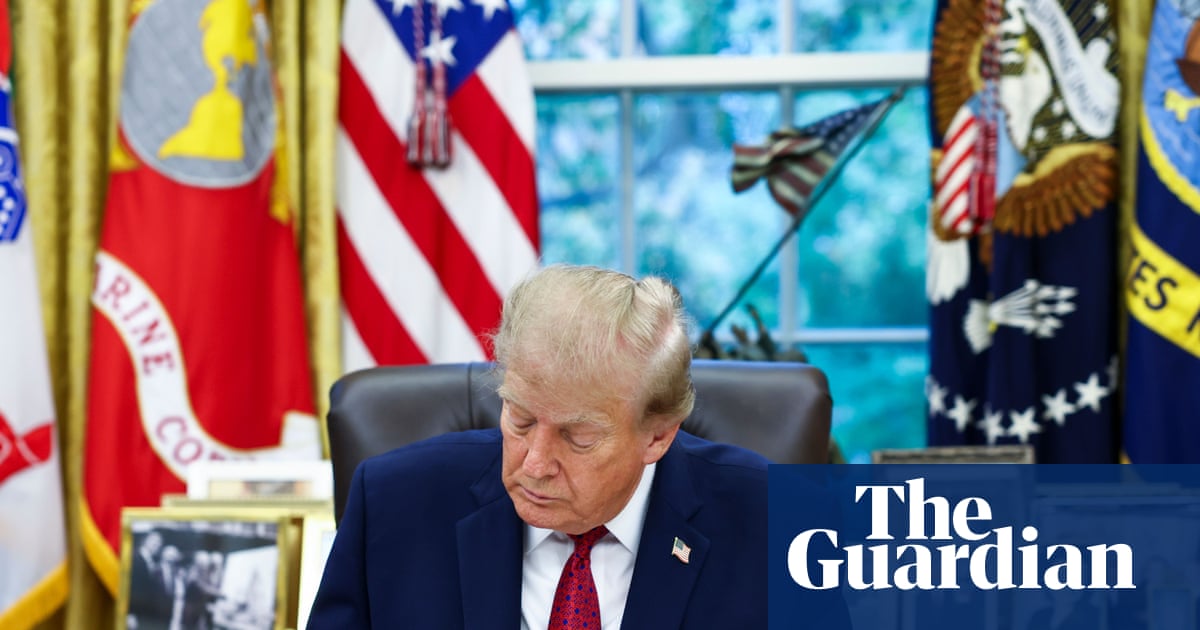
President Donald Trump signed a proclamation on Thursday declaring the Oval Office and Cabinet Room national monuments, a move intended to legally shield his specific interior design choices from alteration by future administrations. Speaking from behind the Resolute Desk in the gold-accented space, the president stated that the designation would ensure these rooms remain untouched for generations. He characterized the action as a safeguard against what he described as destructive impulses by political opponents, asserting that the spaces should not be dismantled or redesigned by individuals he referred to disparagingly.
The proclamation comes in the immediate aftermath of historic midterm election defeats for Trump’s party, which saw Democrats secure control of Congress and make significant gains in traditionally Republican states such as Texas, Kansas, South Carolina, and Iowa. As the political landscape shifts toward a Democratic-controlled legislature next year, Trump has appeared to pivot his focus toward cementing his physical legacy within the executive branch. The signing ceremony included a visible red baseball cap emblazoned with the word 'Veto' on the desk, serving as a stark reminder of his intention to block legislative priorities from the new Congress.
Trump defended the renovations as essential restorations rather than mere aesthetic upgrades, citing years of deterioration in the White House exterior. He pointed to cracked windows, damaged stonework, and broken decorative features that he claimed had been neglected prior to his return to office. According to the president, he personally funded these repairs and hired skilled workers to restore columns and walls that were in 'horrible shape.' This narrative frames the opulent redesigns as necessary maintenance of a historic structure that had suffered from long-term neglect.
The interior redesign has drawn sharp criticism for its lavishness, most notably from former President Barack Obama. Obama recently mocked the gold-heavy aesthetic, comparing the White House’s appearance to a Cheesecake Factory owned by Saddam Hussein. The remark triggered a coordinated response from the current administration, with Treasury Secretary Scott Bessent appearing to counter the critique by dining at a Cheesecake Factory location. This exchange highlights the cultural and political tensions surrounding the visual identity of the presidency under Trump’s second term.
Beyond the Oval Office, Trump has overseen a series of major 'beautification' projects across the White House complex. These include the demolition of the East Wing to construct a $600 million ballroom and the installation of a permanent granite helipad on the South Lawn. In the days leading up to the election results, Trump held a press conference highlighting the delayed completion of a $14 million renovation of the Lincoln Memorial reflecting pool. He blamed the previous administration for algae accumulation in the waters, describing the prior state as filled with dirt and filth.
Despite the political setbacks, Trump continued to promote these construction efforts publicly. Two days after the election results became clear, he led a media tour of the White House Ballroom construction site, expressing admiration for the renovations yet to be completed. This timing suggests an effort to maintain public attention on his infrastructure achievements even as his party faces diminished legislative power. The juxtaposition of political loss with physical expansion underscores a strategy focused on enduring symbols of authority.
The legal implications of declaring interior rooms as national monuments remain unclear, particularly given that such designations typically apply to outdoor areas or structures of significant historical or scientific value. Trump’s assertion that he will return to intervene if anyone attempts to knock down walls in the future adds a personal dimension to the legal maneuver. Whether this proclamation holds up under scrutiny from future administrations or judicial review remains an open question, adding another layer of uncertainty to the transition period.
As Democrats prepare to take control of Congress, the conflict over White House renovations may become a focal point for budgetary and oversight disputes. The new legislative majority has campaigned on issues including affordability and tackling corruption, which could lead to increased scrutiny of federal spending on executive branch projects. Trump’s efforts to lock in his design choices may thus face not only political opposition but also potential legal challenges from lawmakers seeking to rein in what they view as excessive expenditures.
The broader context of these renovations reflects a larger trend of using physical space to assert political identity and legacy. By transforming the Oval Office into a gilded sanctuary, Trump aims to create a lasting visual imprint that resists erasure by subsequent leaders. However, the backlash from critics and the potential for legal challenges suggest that this strategy may provoke further polarization rather than consensus. The coming months will likely see intensified debate over the appropriate use of public funds for presidential residences.
In summary, the proclamation represents a bold attempt to institutionalize Trump’s aesthetic preferences within the White House. It occurs at a critical juncture where his party has lost significant political ground, making symbolic victories increasingly important. The reaction from both supporters and detractors will shape the narrative around executive power and public spending in the years ahead. As the new Congress convenes, the tension between preservation and change will likely extend beyond policy into the very walls of the presidency.
Sources behind this briefing
Go to the original reporting
- The Guardian US Politics↗Trump signs proclamation to try to prevent changes to gold-covered Oval Office